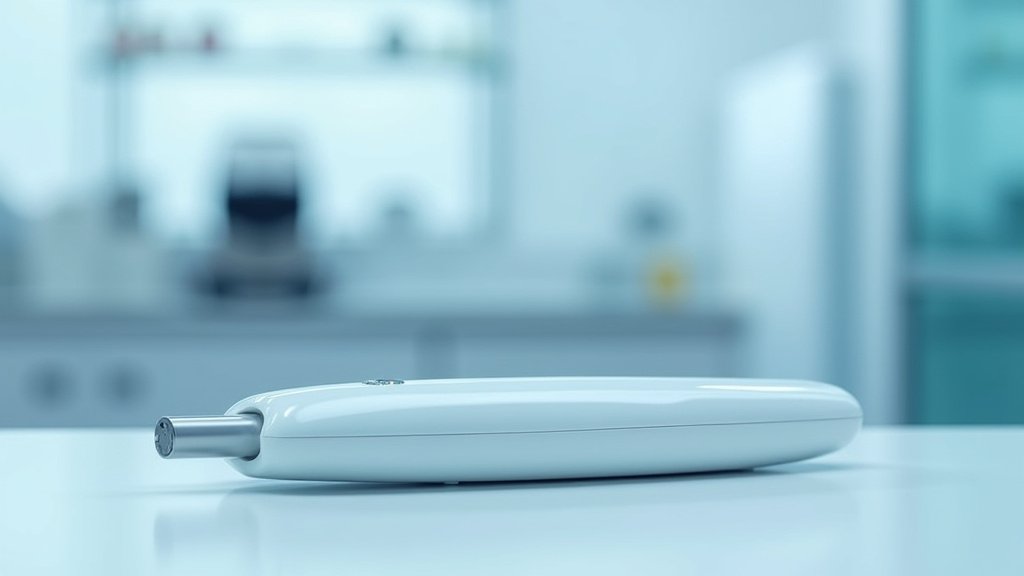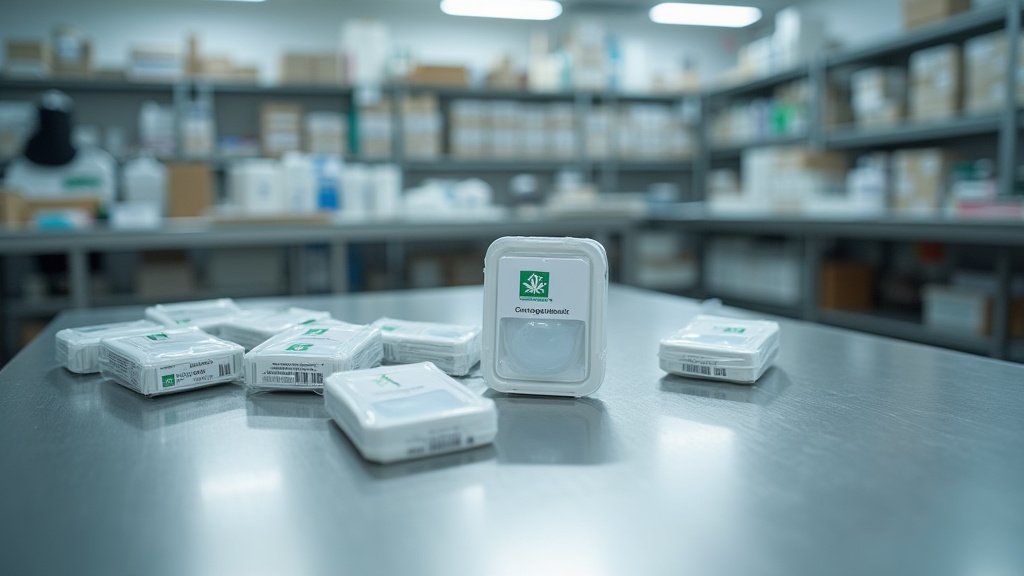
Cannabix Technologies has officially secured its first commercial sales of its marijuana breath test device within the construction sector, marking a critical transition from research and development to market implementation. The company’s proprietary Breath Collection Unit (BCU) and associated screening technology are designed to detect recent tetrahydrocannabinol (THC) exposure, providing employers with a tool to address safety risks in high-hazard environments. By targeting the construction industry—a sector where machinery operation and safety protocols are paramount—Cannabix is positioning itself to address a long-standing challenge in workplace drug testing.
- First commercial sales of Cannabix marijuana breath test technology have been finalized.
- The initial deployment is targeted specifically at the construction sector to enhance workplace safety protocols.
- The technology aims to bridge the gap between historical drug testing methods and the need for detecting recent marijuana impairment.
- This milestone marks a shift from clinical validation to operational adoption in industrial settings.
The Deep Dive
Industrial Safety and the THC Challenge
For decades, the construction industry has relied on traditional drug testing methods, such as urine or hair follicle analysis, to maintain safety standards. However, these methods are fundamentally limited in their ability to distinguish between historical use and acute impairment. Because THC metabolites can linger in a person’s system for weeks, traditional tests often fail to reflect the actual functional state of a worker on the job site. This leads to both false alarms regarding employee fitness and, more concerningly, a lack of insight into actual active impairment.
Cannabix Technologies has spent years developing hardware capable of isolating THC compounds specifically from breath, which researchers suggest provides a much narrower window—typically a few hours—correlating better with active impairment than traditional biological samples. The recent commercial sales represent an attempt to institutionalize this methodology. By embedding this technology into the construction sector, employers are signaling a move toward data-driven safety management that prioritizes current functional status over generalized drug usage history.
Strategic Market Adoption
The construction industry is a particularly strategic starting point for this rollout. Operating heavy machinery, managing complex electrical systems, and performing high-altitude work require strict adherence to safety protocols. Historically, the burden of proof regarding impairment has been difficult for project managers to establish legally and ethically. By integrating a device that offers a non-invasive, point-of-care solution, companies can theoretically decrease accident rates while maintaining higher levels of worker accountability.
Industry analysts are closely watching this deployment to see how unions, legal departments, and operational managers respond to the hardware. The transition from controlled, pilot-environment testing to real-world deployment in a ruggedized construction setting is a litmus test for the company. Should this pilot program prove successful in mitigating incidents and improving workflow consistency, it is likely that the company will look toward other safety-sensitive industries, such as transportation, mining, and manufacturing, for broader expansion.
Regulatory Landscapes and Future Outlook
While the technology itself is innovative, the regulatory landscape regarding marijuana testing remains complex and fragmented. Laws vary drastically across different jurisdictions, and workplace policies are often subject to evolving case law regarding employee privacy and disability protections. Cannabix must navigate these legal hurdles to achieve widespread adoption. The company has maintained that its goal is to provide tools that assist employers in making informed safety decisions rather than acting as a punitive instrument.
Looking forward, the success of these initial sales will likely depend on the precision of the device in real-world conditions. Factors such as environmental dust, ambient temperature, and ease of use by non-medical personnel will be critical metrics for success. If the device proves to be reliable, durable, and legally defensible, it could establish a new standard for workplace screening in the era of legalization, setting a precedent that moves beyond the outdated limitations of standard toxicology panels. This is not just a technological win for Cannabix; it is a fundamental shift in how the industrial sector handles the intersection of labor safety and shifting social norms surrounding cannabis usage.