The global chromatography market is set for a significant period of expansion, with projections indicating a compound annual growth rate (CAGR) of 6% between 2025 and 2030. This steady climb is being propelled by a confluence of factors, including stringent regulatory demands across the pharmaceutical and food safety sectors, an increased reliance on the technique for environmental monitoring, and advancements in biotechnology and forensic testing. Notably, the burgeoning cannabis industry’s regulatory landscape and the critical field of biomarker research are emerging as key growth engines for this essential analytical technology.
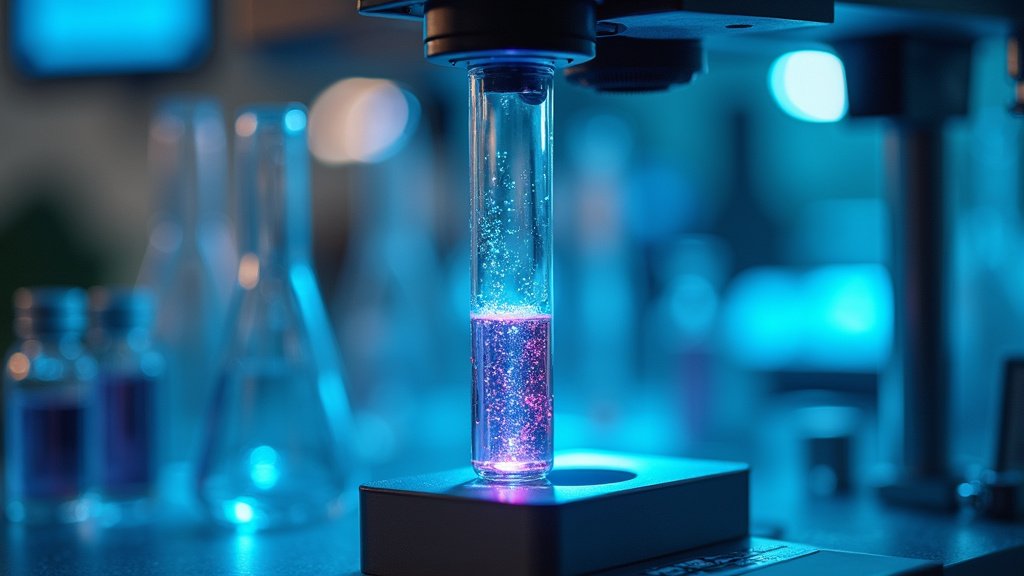
Chromatography, a fundamental analytical technique, operates by separating, identifying, and quantifying the components within a mixture. It achieves this separation through the interaction of a stationary phase and a mobile phase, making it an indispensable tool in a wide array of scientific disciplines. Its applications span the pharmaceutical industry, biotechnology, food safety assurance, environmental analysis, and forensic investigations, serving crucial roles in both research and quality control processes.
Pharmaceutical R&D and Quality Control Driving Demand
The expansion of research and development within the pharmaceutical sector stands as a primary catalyst for market growth. Advanced chromatographic techniques are vital for the intricate sample analysis required in drug discovery and the development of biologics. Ensuring the purity and efficacy of these products is paramount to meeting increasingly rigorous regulatory standards. Furthermore, the growing emphasis on personalized medicine, the development of biosimilars, and the cutting-edge field of gene therapies all elevate the demand for the high-precision analytical capabilities that chromatography provides.
Expanding Applications Across Key Sectors
Beyond pharmaceuticals, chromatography’s utility is being recognized and leveraged more broadly. Its application in forensic testing is crucial for crime scene analysis and evidence identification. In environmental monitoring, it plays a key role in detecting and quantifying pollutants, contributing to public health and ecological safety. The increasing legalization and regulation of cannabis have also created a significant demand for accurate testing methodologies, with chromatography being a cornerstone in ensuring product safety and compliance.
Technological Advancements Enhancing Efficiency
The chromatography market is also being revolutionized by the increasing automation of laboratory processes. Modern chromatographic systems are incorporating features such as auto-sampling, real-time data processing, and remote monitoring capabilities. These advancements are instrumental in enhancing the efficiency, accuracy, and reproducibility of analytical results. The integration of artificial intelligence (AI) and machine learning (ML) is further optimizing these workflows, offering predictive maintenance for equipment and adaptive analytical processes. These technological integrations are transforming chromatography into a more cost-effective solution for laboratories worldwide.
Market Challenges and Future Outlook
Despite the strong growth trajectory and technological advancements, certain challenges persist. The high cost associated with acquiring and maintaining advanced chromatographic equipment remains a significant barrier for some laboratories, potentially hindering widespread adoption, particularly among smaller research institutions or emerging markets. However, the sustained demand from key sectors, coupled with ongoing innovation in automation and AI integration, suggests a robust future for the chromatography market. The critical role of chromatography in ensuring product safety, advancing scientific research, and meeting regulatory compliance across diverse industries positions it for continued and substantial growth in the coming years.