Cultivating Cannabis: A Comprehensive Guide to Indoor and Outdoor Growing
Growing cannabis, much like cultivating basil or tomatoes, hinges on providing abundant light and diligent care. Whether you’re aiming to cultivate indoors or outdoors, understanding the fundamental needs of the plant is paramount for a successful harvest. This comprehensive guide delves into the key stages and considerations for both indoor and outdoor cannabis cultivation.
Setting the Stage: Light and Environment
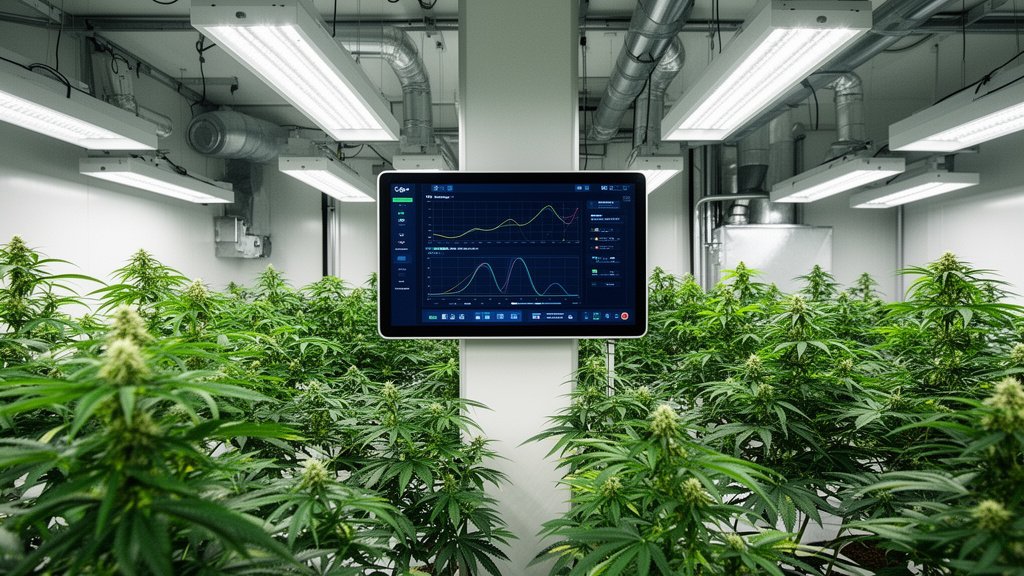
The cornerstone of cannabis cultivation is light. Seedlings, in particular, are highly dependent on sufficient light exposure to thrive. Most cannabis strains flourish under long-day conditions, which typically translate to at least 18 hours of light per day when grown indoors. Indoor growers often utilize full-spectrum bulbs, aiming for a photosynthetic photon flux density (PPFD) around 600 µmol/m²/s to simulate the natural sunlight needed for robust growth. Outdoors, the answer is simple: full sun. The more direct sunlight your plants receive, the better they will grow.
Beyond light, the environment plays a critical role, especially during the seedling stage. Maintaining the correct temperature and humidity levels is essential for optimal growth. Ideal conditions include a temperature range between 70°–85°F (21°–29°C) and a humidity level of 65–70%.
Germination: Sprouting the Seeds of Success
Before planting, seeds must first germinate. There are three primary methods for germinating cannabis seeds, each with its own nuances. The first involves soaking in water, which initiates the germination process. The second is direct planting in the growing medium. The third, and perhaps most popular, is the paper towel method. This involves keeping the seeds moist in a dark place for a period ranging from 24 to 120 hours. Proper germination is crucial to starting your plants off right.
The Seedling Stage: A Delicate Beginning
Following germination, the seedling stage begins, marked by the emergence of cotyledons, the first leaves. This stage typically lasts for 2 to 3 weeks. During this time, seedlings still require 18 hours of light daily. Indoor seedlings, however, benefit from a lower intensity of light during this critical phase to avoid burning the new, tender leaves. Maintaining a humidity level of 65–70% and a temperature range of 65°–80°F (18°–25°C) will provide the ideal environment for vigorous growth.
Nurturing Growth: Nutrients and Light’s Role
Providing essential nutrients during both the vegetative and flowering growth phases is also vital. This includes a careful balance of macronutrients like nitrogen, phosphorus, and potassium, as well as micronutrients, such as iron and magnesium. A proper nutrient regimen, tailored to the specific stage of growth, is essential to promoting healthy plant development and maximizing yield.
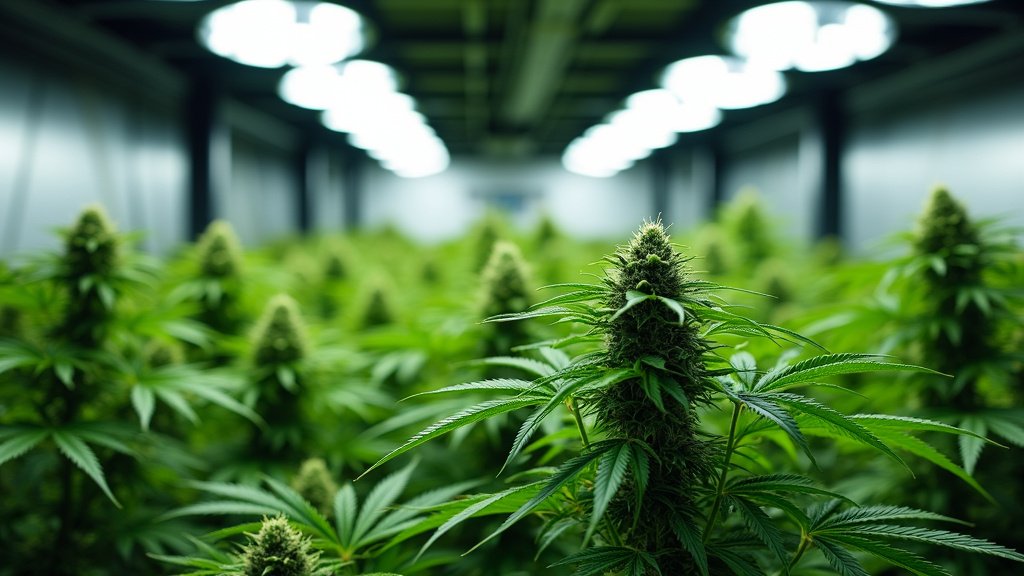
The amount of light needed will depend on the growth stage of the cannabis plant. Providing insufficient daylight, especially during the flowering stage, can stress the plant and potentially cause premature flowering. This can lead to lower yields and a less potent final product. Understanding the light requirements is key to achieving the desired results, both indoors and outdoors.
The Path to Harvest
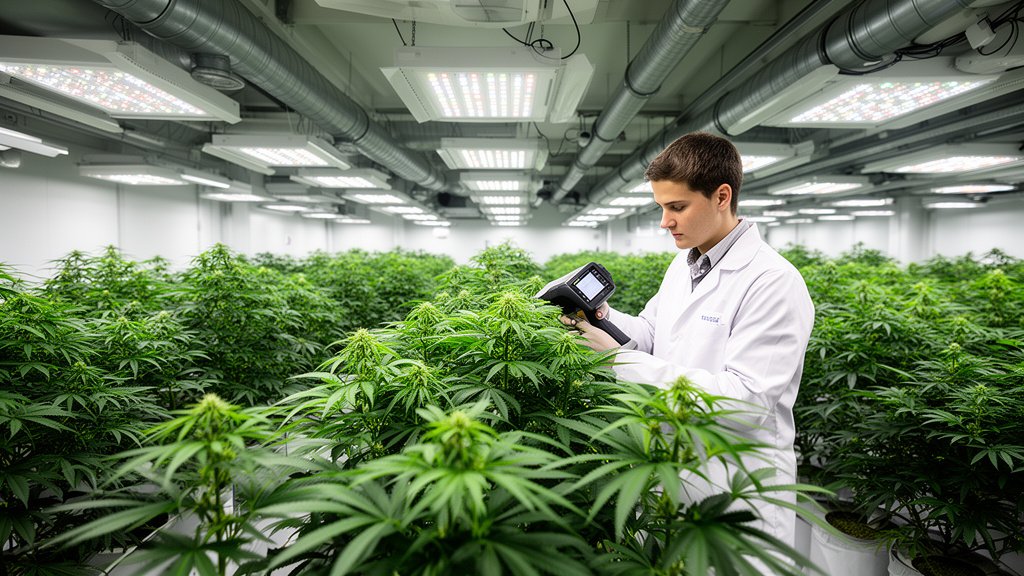
Successfully cultivating cannabis, whether indoors or outdoors, requires meticulous attention to detail. By carefully managing light, temperature, humidity, and nutrition, cultivators can nurture their plants from seed to harvest, ultimately reaping the rewards of their efforts. Remember that consistent observation, adaptability, and a willingness to learn are the keys to success in this rewarding pursuit.