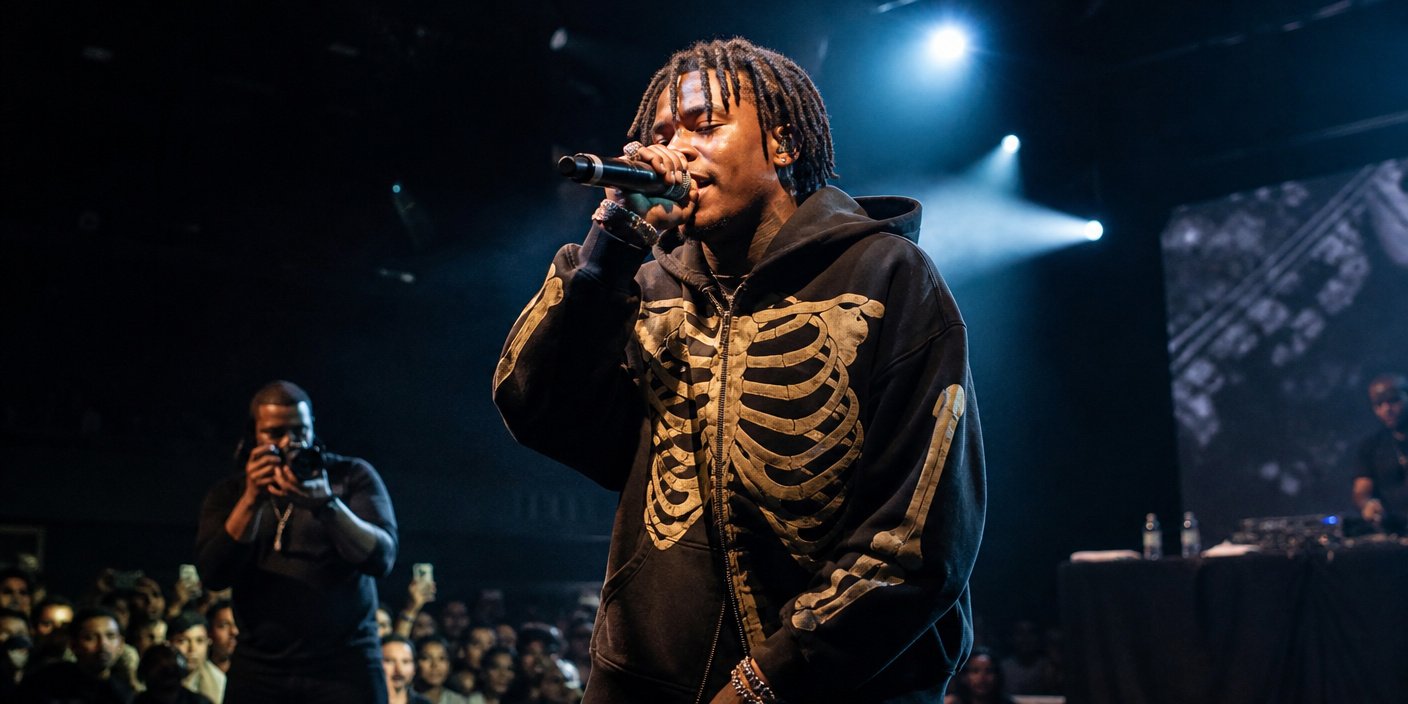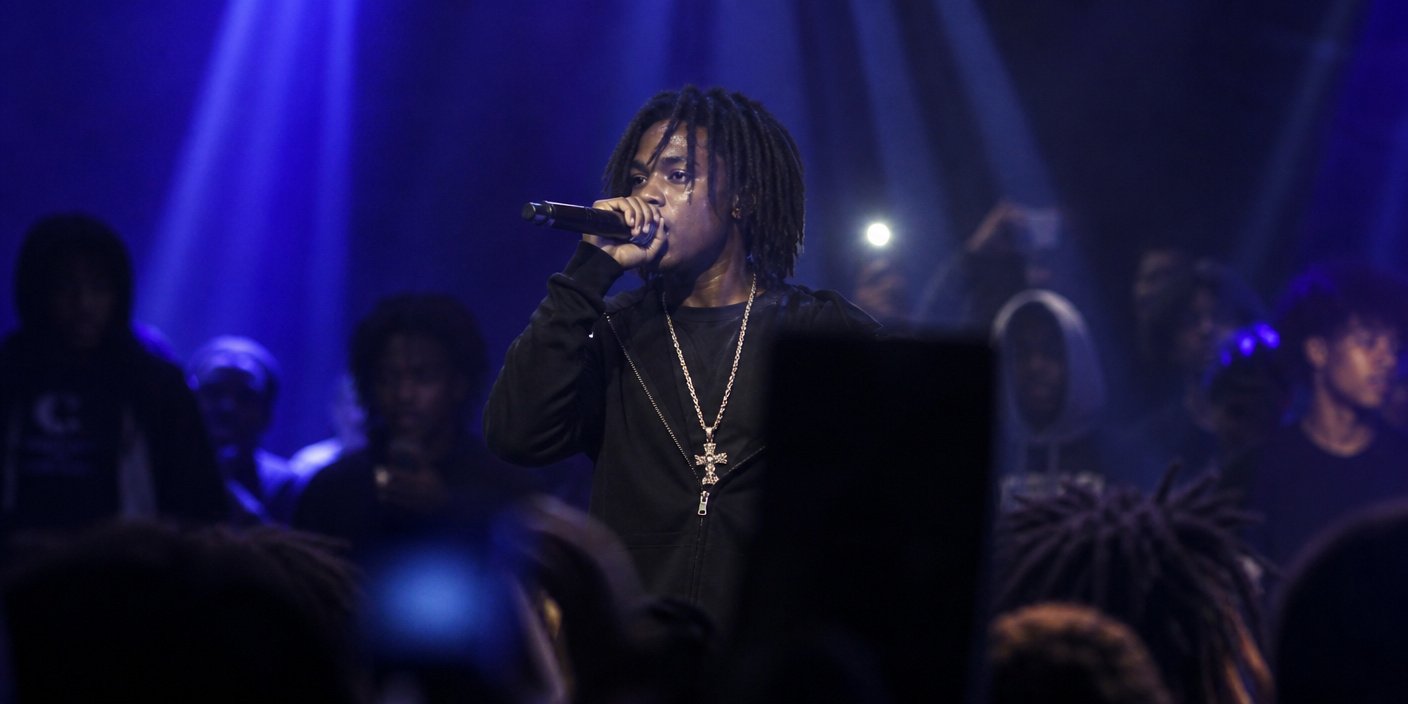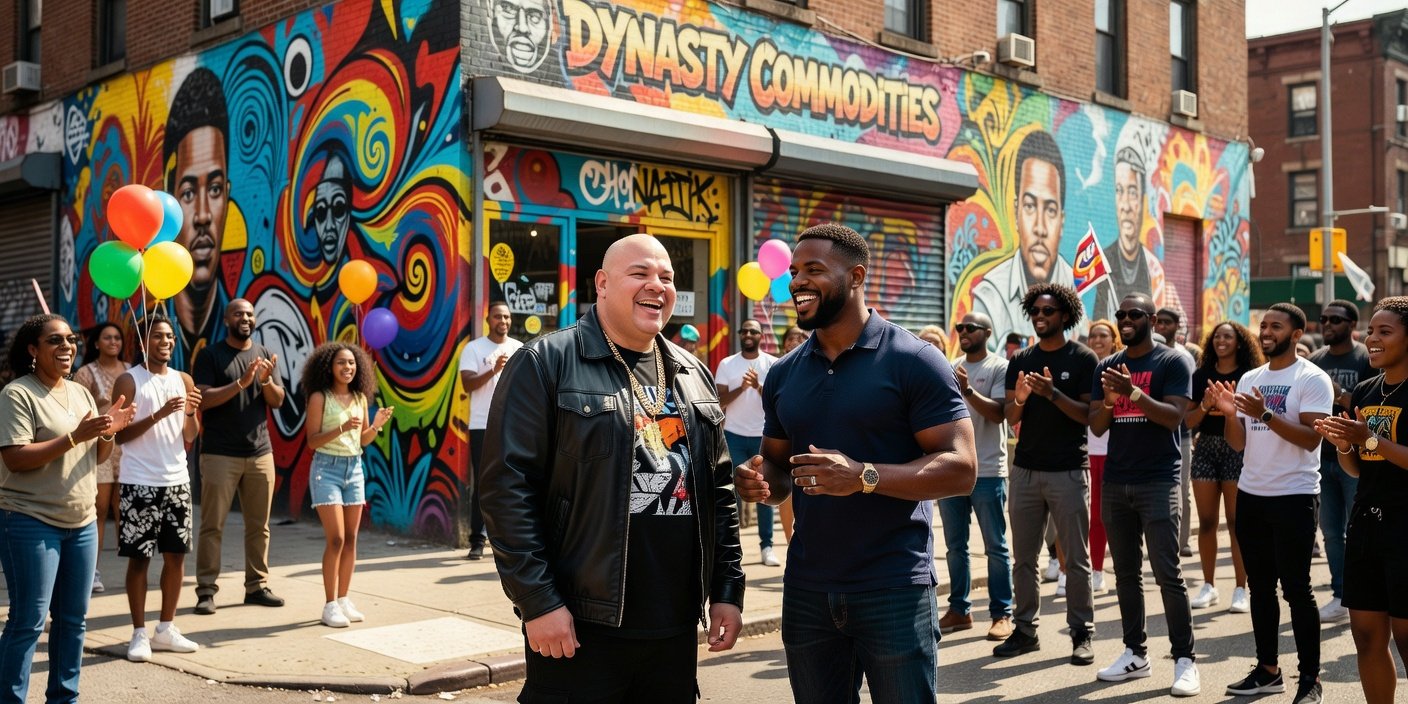
In the heart of Harlem, where culture and commerce have historically danced a complex, often strained tango, a new narrative is taking root. This past weekend, the intersection of Frederick Douglass Boulevard buzzed with the unmistakable energy of a milestone celebration. Fat Joe, the Bronx-born hip-hop legend, and former New York Giants linebacker Jon Beason stood amidst a crowd of supporters, fans, and local figures to celebrate the one-year anniversary of Dynasty Commodities, a licensed dispensary that has quickly become a focal point for the neighborhood’s evolving relationship with the legal cannabis industry. The block party, which served as both a birthday for the business and a precursor to the 4/20 festivities, underscored a broader, systemic shift in how New York City’s legal cannabis market is prioritizing ownership, community identity, and cultural authenticity over pure corporate expansion.
A New Blueprint for Cannabis Retail
When Dynasty Commodities first opened its doors in April 2025, it faced the skepticism inherent in any new industry. However, the one-year mark serves as proof of concept for the store’s founders: former NFL All-Pro Jon Beason, music executive and long-time Fat Joe manager Rich Jospitre, entrepreneur Anthony Gonzalez, and community advocate Jahkaya Pugh. The anniversary event was not merely a retail promotion; it was a demonstration of the power of local alignment. By bringing together titans of the music industry like Remy Ma and Jadakiss alongside sports royalty, the event highlighted how dispensaries in New York can act as modern town squares—hubs that blend entertainment, retail, and social connection.
For residents of Harlem, the sight of these figures celebrating on their block signals more than just celebrity endorsement. It represents the successful reclamation of a space within a regulated market. Historically, the cannabis industry has been criticized for excluding the very communities that were most impacted by its prohibition. Dynasty Commodities, however, has leaned into a model that prioritizes community roots. The presence of Jahkaya Pugh—one of the youngest African-American and Puerto Rican women to co-own a licensed dispensary in New York—is a cornerstone of this identity. Her leadership ensures that the dispensary remains anchored in the community’s specific needs and values, proving that equity is not just a policy goal but a fundamental business strategy.
The Intersection of Sports, Hip-Hop, and Enterprise
One of the most compelling narratives surrounding the anniversary is the pivot of high-profile athletes and artists into the business of legal cannabis. Jon Beason’s transition from the gridiron to the storefront is emblematic of a broader trend: the de-stigmatization of cannabis through the endorsement of trusted, mainstream figures. When professional athletes and hip-hop icons—who have long been cultural influencers—put their capital and reputation behind a legal dispensary, they effectively lower the barrier to entry for the average consumer.
This “star-powered” strategy serves a practical purpose: it validates the legitimacy of the legal market in the eyes of an audience that may have been skeptical of government-regulated dispensaries. During the event, the atmosphere was a mix of a high-energy concert and a community fundraiser. This blending of worlds is not accidental. It is a calculated, effective marketing approach that recognizes the cultural importance of the dispensary as a lifestyle brand rather than a simple pharmacy. The success of the past year suggests that this “experience-first” strategy—combining community activism with celebrity-backed events—is likely to become the gold standard for New York’s cannabis retailers.
Harlem’s Economic Resilience
Beyond the glitz of the celebration, there is a tangible economic reality at play. Harlem has spent decades navigating gentrification and economic displacement. The establishment of successful, locally-owned businesses like Dynasty Commodities offers a counter-narrative to the idea that economic growth must displace the original inhabitants. By keeping ownership local, the founders are ensuring that the revenue generated by the dispensary circulates within the community.
This, perhaps, is the most crucial takeaway from the one-year anniversary. As the legal cannabis market in New York matures, the battle will not just be over product quality; it will be over brand loyalty and community trust. Businesses that view themselves as partners with their neighborhoods, rather than intruders, are the ones likely to survive and thrive. The turnout for the anniversary—featuring local food, music, and an open, block-party environment—proved that Dynasty Commodities has successfully integrated itself into the fabric of Harlem. It is no longer just a shop on the corner; it is an institution, and its first year of operation provides a case study in how to do cannabis business the right way.
The Path Forward for NYC Cannabis
Looking ahead, the success of this anniversary event poses an interesting question: can this model be replicated? The New York market remains volatile and highly competitive. However, the blueprint laid out by the team at Dynasty—a mix of high-profile, trusted ambassadors, a clear commitment to community equity, and an investment in local culture—is undeniably potent. As other entrepreneurs look to break into the space, they will likely look to Harlem as a bellwether for how to navigate the complexities of the city’s cannabis landscape. If the past year is any indication, the future of the industry in New York will be defined by those who are willing to do the hard work of building relationships, not just brick-and-mortar storefronts.
FAQ: People Also Ask
Q: What is Dynasty Commodities?
A: Dynasty Commodities is a licensed cannabis dispensary located in Harlem, New York. It is co-founded by former NFL star Jon Beason, music executive Rich Jospitre, Anthony Gonzalez, and community advocate Jahkaya Pugh, and it is known for its focus on community-driven retail and cultural engagement.
Q: Who attended the one-year anniversary event?
A: The star-studded event featured key figures in the New York entertainment and sports scenes, including Fat Joe, Remy Ma, Jadakiss, and former NFL linebacker Jon Beason, among other cultural influencers and local Harlem residents.
Q: Why is the location in Harlem significant?
A: Harlem has a deep cultural history, and the dispensary aims to be a cornerstone of economic opportunity for the Black and Brown communities that have historically been impacted by cannabis prohibition. Its location and ownership structure are designed to reflect and uplift the neighborhood.
Q: How does this event relate to 4/20?
A: The anniversary event was timed to coincide with the lead-up to 4/20, a significant date in cannabis culture. By hosting the block party just days before, the dispensary capitalized on the heightened consumer interest and community engagement that accompanies the holiday season in the cannabis industry.