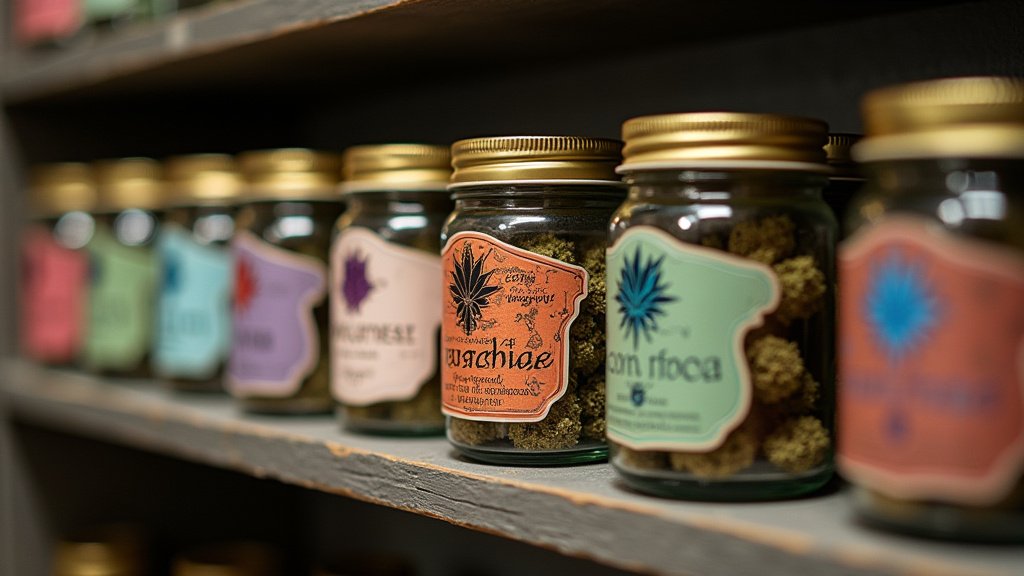
The cannabis industry is currently grappling with a branding paradox. While the underlying product—a botanical specimen rich in cannabinoids and terpenes—remains a biological entity, the way it is sold has undergone a tectonic shift. In the span of a few decades, we have moved from the romantic, travel-inspired naming of the 1960s to the aggressive, irreverent, and often legally precarious “shock branding” of the modern era, typified by names like “Cheetah Piss” and “Toad Venom.”
The Era of Geographic Roots
In the infancy of modern cannabis culture, naming conventions were rooted in provenance. Strains were “landraces,” native plants from specific regions that adapted to their environments over centuries. Names like “Acapulco Gold,” “Panama Red,” and “Afghani” were not marketing gimmicks; they were geographical indicators. They told the consumer exactly where the plant came from and, by extension, what kind of climate and genetics it possessed. These names were essentially terroir, much like the wine regions of France. During this period, the reputation of a strain was tied to its heritage. If you acquired “Colombian Gold,” you knew you were getting a specific Sativa-dominant genetic profile native to the Santa Marta mountains.
The Shift to Genetic Descriptors
As the industry moved indoors and underground in the 1980s and 1990s, the “geography” naming convention became obsolete. Growers were no longer sourcing from the Andes or the Hindu Kush; they were creating hybrids in basements and garages in California and Amsterdam. The naming shifted toward descriptive markers. Breeders began highlighting the phenotype, the flavor, or the purported effect. “Sour Diesel” promised a sharp, fuel-like aroma; “Blue Dream” hinted at a berry sweetness. This was a functional era of naming. The labels were designed to inform the consumer about the sensory experience. For a time, this was the gold standard—a functional lexicon that bridged the gap between the clandestine grower and the end-user.
The Rise of Shock Branding and Hype
The current epoch, ushered in by social media and legalization, has abandoned utility for viral potential. In a saturated market, where thousands of “boutique” cultivars compete for shelf space, a name must do more than inform; it must stop the scroll. This has birthed the era of “shock branding.” Names like “Cheetah Piss,” “Toad Venom,” “Donkey Butter,” and “Gary Payton” (capitalizing on celebrity association) are designed to evoke curiosity through absurdity or exclusivity.
This trend aligns with the attention economy. In the retail dispensary environment, where a consumer is faced with 50 different flower options, a name that stands out as bizarre or provocative is more likely to be requested. It is no longer about the terroir or the specific terpene profile; it is about the brand story. Cultivars are now treated like streetwear drops—limited, hyped, and aggressively marketed to a demographic that values trends as much as potency.
The Legal Trap: When Names Become Liabilities
This aggressive naming strategy has naturally collided with the cold reality of intellectual property law. One of the most significant cautionary tales in the cannabis space is the legal battle involving the strain known as “Gorilla Glue #4” (GG4). The Gorilla Glue Company, an adhesive manufacturer, successfully sued the breeders of the cannabis strain for trademark infringement. The court ruled that the use of the name “Gorilla Glue” on cannabis products caused consumer confusion and diluted the trademark of the adhesive brand.
This case sent shockwaves through the industry, forcing many breeders to scramble and rename their legacy genetics. It highlighted a structural weakness in the cannabis naming system: it is largely unregulated and relies on “street credibility” rather than formal trademarking. As the industry matures and moves into the federal spotlight, names that were intended to be edgy are now becoming significant legal liabilities, leading to a rise in generic, corporate-friendly rebrands to avoid multi-million dollar lawsuits.
The Disconnect: Science vs. Marketing
Perhaps the most pressing issue with the modern naming convention is the scientific gap. The current system provides almost zero reliable information regarding the actual pharmacological effect of the cannabis. A “Cheetah Piss” cultivar might possess a distinct terpene profile (perhaps high in limonene or caryophyllene), but the name tells the consumer nothing about its efficacy for sleep, pain management, or anxiety.
As the market pushes for standardization and medical-grade data, the reliance on hype-based naming creates a “misleading branding” problem. Regulators in states like Colorado and California have begun scrutinizing product labels, concerned that “recreational” names might appeal to minors or over-promise effects that haven’t been clinically verified. We are likely heading toward a future where the “fun” name is relegated to a secondary marketing tag, while the primary packaging will be forced to display chemical analysis percentages and standardized cultivar classifications to meet evolving consumer protection laws.