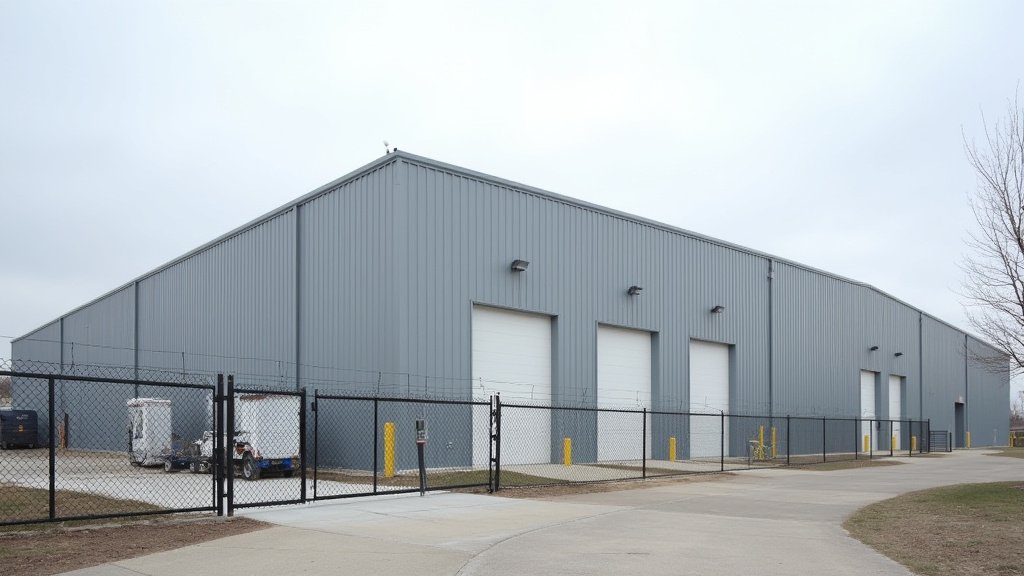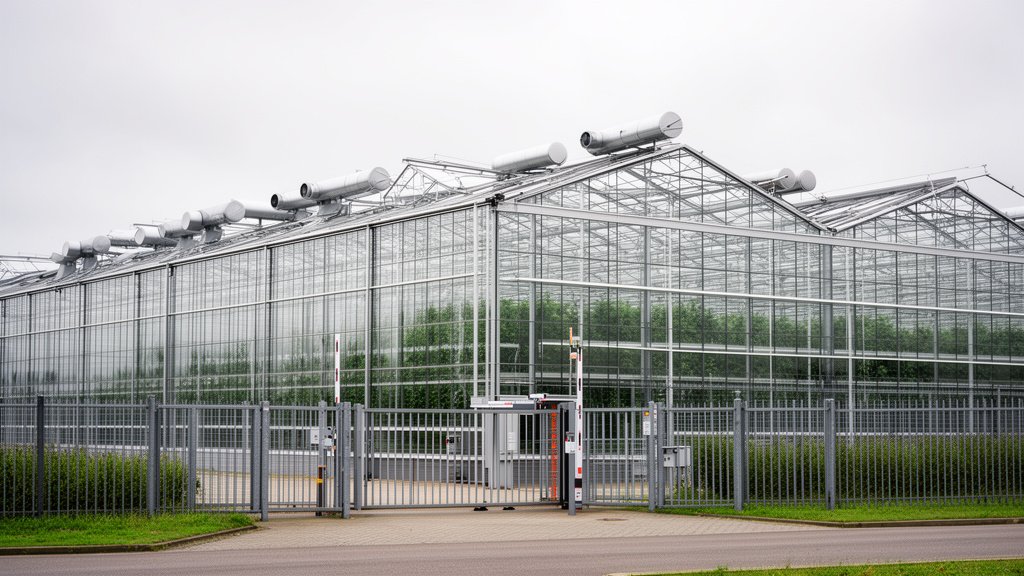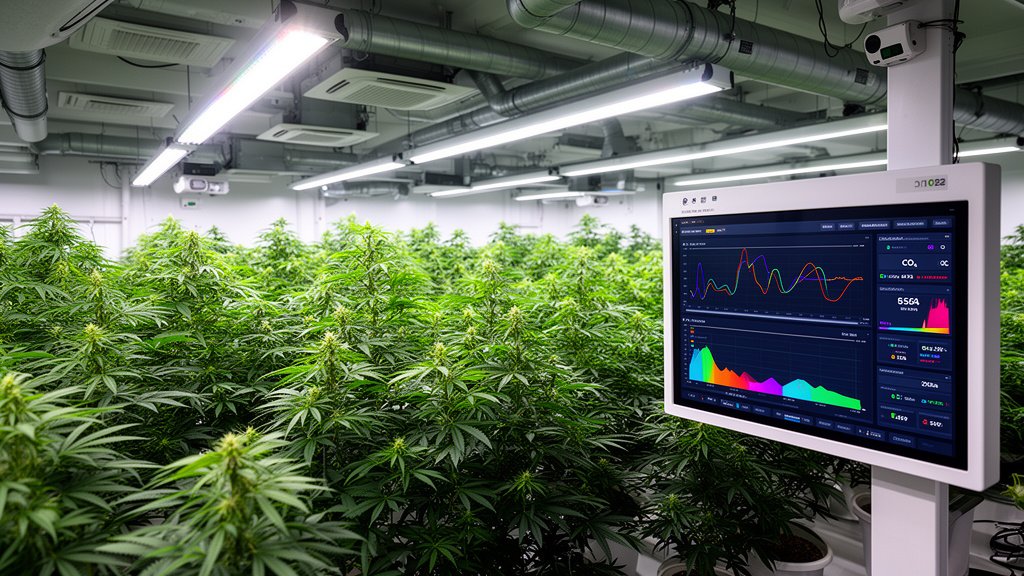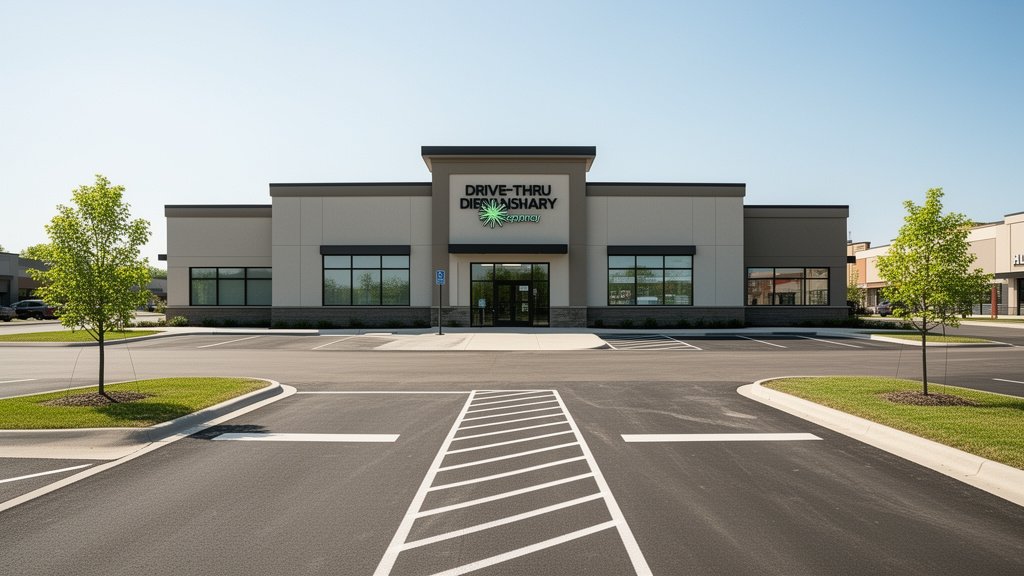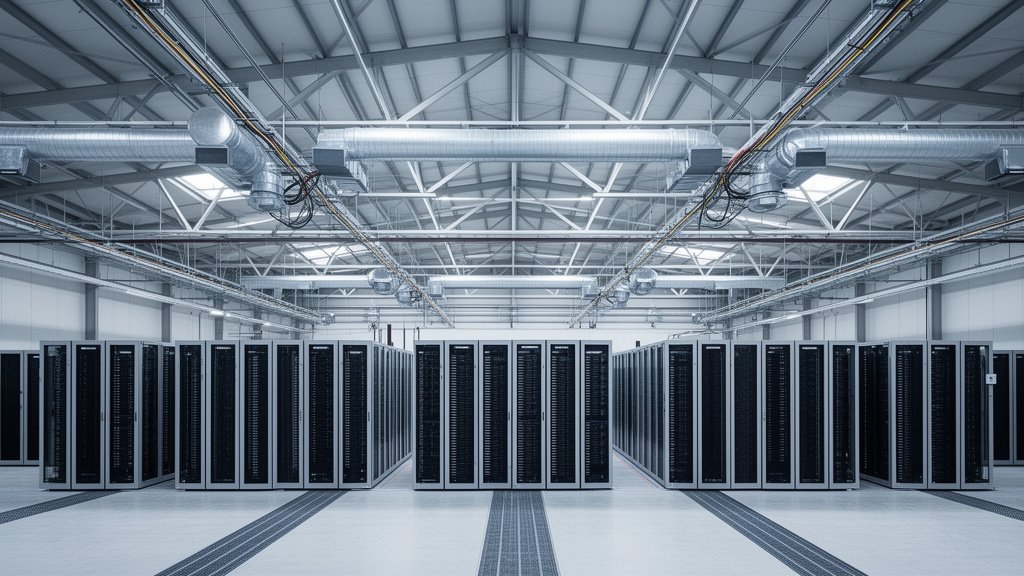
The cannabis industry, once defined by a gold-rush mentality, is undergoing a profound structural shift. As markets mature across the United States, a combination of significant price compression and systemic oversupply has left many operators with millions of square feet of industrial space that is no longer profitable for cultivation. Yet, this real estate—specifically designed for rigorous environmental control—is finding a second life as the bedrock of the modern digital economy: the data center.
The Infrastructure Intersection: A Tale of Two Industries
At first glance, a cannabis cultivation facility and a data center might seem miles apart. One grows biomass, the other processes information. However, from an engineering and infrastructure standpoint, they are surprisingly close cousins. Both industries are extremely power-hungry, requiring industrial-grade HVAC, sophisticated dehumidification systems, and significant electrical redundancy to maintain a specific environment 24/7.
Modern cannabis facilities were built as “black box” environments. They require precise control over light, temperature, humidity, and airflow to ensure crop health. Data centers require the exact same environmental stability, albeit for different reasons: servers overheat and degrade without high-capacity cooling and consistent power loads. For data center developers, the cost of retrofitting a standard warehouse into a server farm is astronomical compared to acquiring an existing cannabis facility, which already possesses the “bones”—the heavy power conduits, high-capacity electrical panels, and robust HVAC ductwork—needed to host modern server racks.
The Economic Catalyst: Navigating Market Maturity
The driving force behind this repurposing trend is simple economic pragmatism. In states like Colorado, Oregon, and parts of California, the wholesale price of cannabis flower has plummeted due to oversaturation. When the cost of production exceeds the wholesale market price, operators are forced to either shutter or diversify.
For many, selling or leasing their facilities to data center developers has become the most viable exit strategy. Data center developers are currently in a desperate, global scramble for sites that are “power-ready.” With the explosion of artificial intelligence (AI) and cloud computing, the demand for compute capacity is outpacing the rate at which utilities can build new substations. A facility that already has a multi-megawatt electrical service connection is worth exponentially more to a data firm than it is to a struggling cannabis grower. This arbitrage between agricultural utility and tech-infrastructure value is creating a new sub-sector in industrial commercial real estate.
Regional Hotspots and Regulatory Realities
Not every state is ripe for this conversion. The trend is most prevalent in states with legalized, mature cannabis markets and a simultaneous influx of tech investment.
- The Pacific Northwest: Oregon and Washington have seen a rise in legacy cannabis facilities being assessed for server farm utility. With cheaper hydroelectric power often available in the region, these sites are becoming prime targets.
- The Southwest: In parts of Colorado and California, the conversion is driven more by the need to utilize stranded power assets. As cannabis operators consolidate, large-scale facilities in industrial zones are being targeted by colo-providers looking for “turn-key” space.
- The Midwest: Emerging tech hubs in Illinois and Michigan are beginning to see similar interest, though the trend is nascent compared to Western markets.
However, the transition is not seamless. While the electrical infrastructure is a match, zoning is a massive hurdle. Cannabis facilities are often zoned for agriculture or specific light-industrial use, whereas data centers have different requirements regarding setbacks, security, fiber-optic connectivity, and emergency services access. Transforming a cannabis facility into a data center often involves a lengthy rezoning process and a significant overhaul of security and connectivity protocols.
The AI Compute Gold Rush
The ultimate wildcard in this trend is the AI revolution. Modern AI hardware, specifically high-density GPU racks, generates intense heat, requiring sophisticated liquid cooling and high-density airflow management. Interestingly, many advanced cannabis facilities, particularly those built within the last five years, already incorporated state-of-the-art climate control systems that can be adapted for liquid-cooled server racks.
This synergy means that for a data center developer, buying a shuttered or underutilized cannabis grow op isn’t just about the square footage; it’s about buying a pre-existing infrastructure that is 60-70% ready for high-density compute. This time-to-market advantage is invaluable in an industry where speed is the primary competitive metric.
Challenges: The Connectivity Gap
While power and climate control are solved, connectivity is the biggest challenge for these conversions. Cannabis facilities are often located in industrial parks that were not necessarily wired for the massive fiber-optic bandwidth required by modern data centers. While power is the biggest expense, fiber connectivity is the lifeblood.
For a conversion to work, the facility must have (or be able to easily pull) redundant, carrier-neutral fiber lines. If a location is geographically isolated from a major fiber backbone, the cost to build that “last mile” can quickly negate the savings gained from the existing HVAC and power infrastructure. Consequently, the most valuable properties are those located near existing regional fiber loops.
FAQ: People Also Ask
Q: Why can’t cannabis growers just share their space with data centers?
A: While theoretically possible, it is extremely rare. Cannabis cultivation is a highly regulated, sensitive environment that requires strict bio-security protocols (to prevent mold or pests). Data centers require a clean, dust-free environment with restricted access. The environmental needs of the two industries, while similar in terms of power, are fundamentally at odds regarding air quality and access security.
Q: Is this trend happening across the entire US?
A: It is largely concentrated in states with mature, legalized cannabis markets that are currently seeing a surplus of industrial real estate. States with newer or more restrictive cannabis markets have not yet seen this surplus-driven conversion cycle.
Q: Are these conversions permanent?
A: In most cases, yes. Converting a building into a data center is a capital-intensive process. Once the server infrastructure, backup generators, and specialized fiber lines are installed, it is highly unlikely the facility would ever return to cannabis cultivation.
Q: What is the biggest hurdle for these conversions?
A: Beyond connectivity, it is local zoning. Municipalities are often hesitant to rezone an agricultural or light-industrial property for a data center, as data centers provide fewer local jobs per square foot than a functioning, labor-intensive cannabis grow operation.