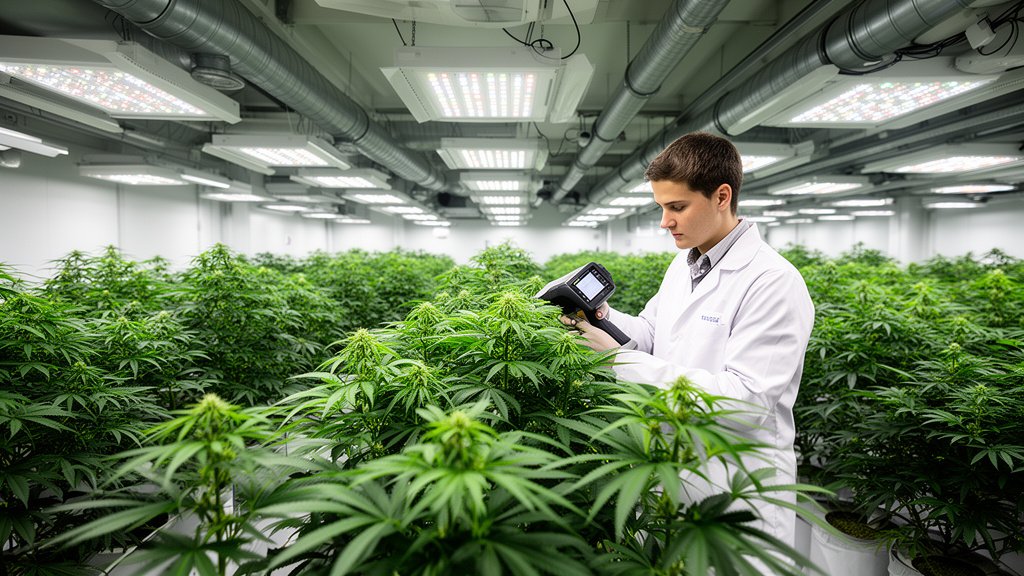
In an era where sustainable practices and organic solutions are increasingly valued, a quiet revolution is taking root in the world of agriculture, particularly within cannabis cultivation. Growers are discovering the profound impact of microscopic allies – beneficial microbes – in fostering robust plant health and significantly enhancing crop yield. This burgeoning field centers on understanding and harnessing the power of nature’s smallest workers, including various fungi and bacteria, to transform conventional growing methods.
The Microbial Advantage: Enhancing Health and Yield
At the heart of this innovative approach lies the strategic deployment of beneficial microbes. These microscopic organisms, encompassing a diverse array of fungi and bacteria, are meticulously introduced into the growing environment to establish a symbiotic relationship with cannabis plants. The primary objective is clear: to enhance overall plant health and optimize the potential for a generous yield. Far from being a mere supplement, these microbes become an integral part of the plant’s support system, working tirelessly behind the scenes.
This integration goes hand-in-hand with the use of organic fertilizers, creating a powerful synergy. When beneficial microbes are combined with high-quality organic nutrients, the results are often remarkable. Cultivators report not only more vigorous plant growth but also the production of more flavorful harvests. This natural alliance also champions sustainable growing practices, markedly reducing the traditional reliance on synthetic chemical inputs. This shift away from harsh chemicals benefits the environment, the plants themselves, and ultimately, the consumer, offering a cleaner, more natural product.
Practical Applications: Building a Strong Foundation
The practical applications of these microbial solutions are diverse and adaptable to various growing setups. One prominent example involves the application of mycorrhizal inoculants directly to the soil or other growing mediums. Mycorrhizae are a type of beneficial fungi that form a vast, intricate network around and within plant roots, effectively extending the plant’s reach for water and nutrients. This partnership is invaluable.
The role of these inoculants extends beyond nutrient uptake. They are instrumental in improving soil structure, creating a more porous and aerated environment ideal for root development. Furthermore, they significantly boost soil fertility, making essential nutrients more bioavailable to the plants. The overall effect is a dramatic increase in plant vigor, evidenced by stronger stems, healthier foliage, and a greater capacity to resist stressors. These principles apply universally, proving effective across a spectrum of different cannabis cultivation systems, from traditional outdoor plots to sophisticated hydroponic setups.
The Vital Rhizosphere and Introducing Inoculants
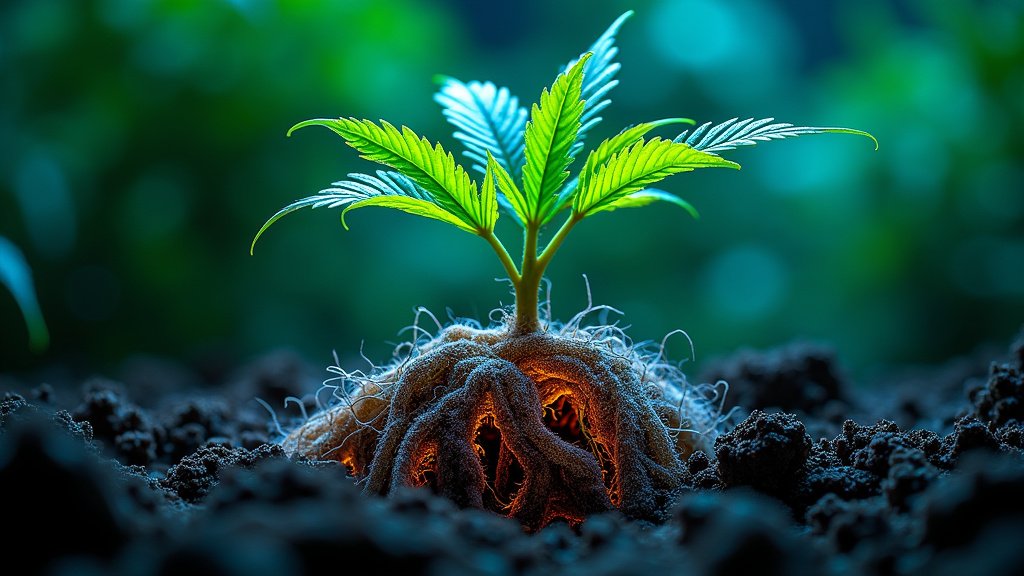
A critical area of focus in microbial cultivation is the rhizosphere, the narrow region of soil directly surrounding plant roots. This zone is a bustling ecosystem, teeming with microbial life. The article emphasizes the paramount importance of maintaining a healthy rhizosphere, which acts as the plant’s primary interface with its environment. This health is largely supported and maintained by a robust population of beneficial bacteria.
These bacteria perform numerous vital functions, including nitrogen fixation, phosphorus solubilization, and the suppression of harmful pathogens. A thriving bacterial community in the rhizosphere ensures that plants have constant access to the nutrients they need, leading to superior growth and resilience. For those looking to incorporate these powerful allies into their own operations, practical guidance on introducing microbial inoculants is readily available.
This advice typically involves direct application methods, such as mixing granular inoculants into potting soil before planting, or dissolving powdered formulations into water for root drenching or foliar sprays. The timing and method of application can vary depending on the specific product and cultivation system, but the core principle remains consistent: ensuring direct contact between the microbes and the plant’s root system for optimal colonization and benefit. As more growers embrace these advanced biological strategies, the future of cannabis cultivation looks increasingly greener and more productive, offering a sustainable path forward for the industry.