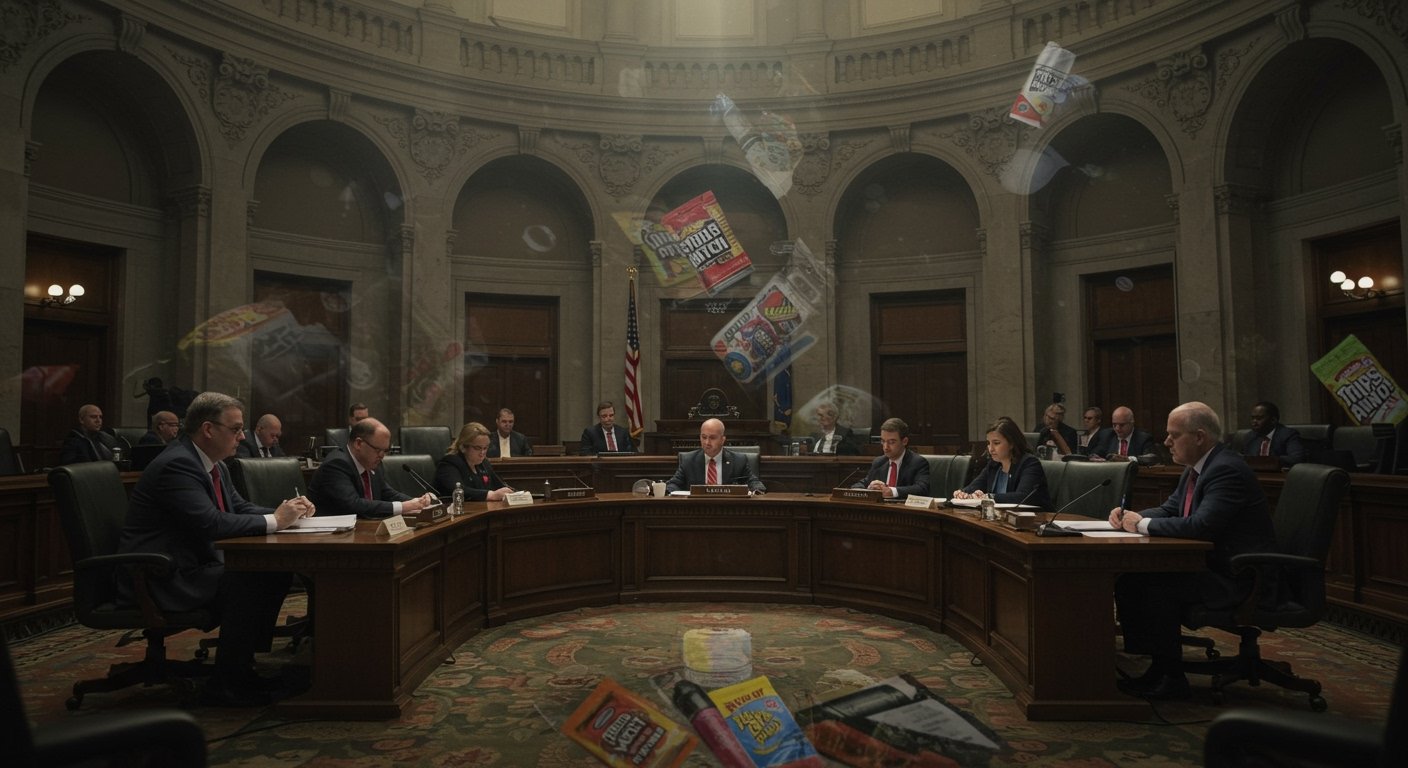
RALEIGH, NC – North Carolina state lawmakers, in conjunction with a newly formed State Advisory Council on Cannabis, are engaged in complex deliberations over potential stricter regulations targeting the state’s burgeoning synthetic hemp and largely unregulated cannabis market. The market, frequently characterized by critics as a “wild west,” has prompted significant legislative attention due to escalating concerns surrounding product accessibility for minors and a troubling surge in emergency department visits among young people aged 17 and younger linked to intoxicating cannabis ingestion.
The Unregulated Landscape
While recreational marijuana remains strictly illegal within North Carolina, the state’s regulatory framework has permitted the widespread availability of hemp-derived products. These include items such as vapes, gummies, and beverages containing psychoactive compounds, many of which are sold without any statutory minimum age requirement for purchase. The unregulated nature of this market has led to concerns over product safety, potency, and marketing practices, particularly regarding appeal to children. Packaging for some edible products has been noted for its resemblance to popular snack items, with examples cited including “Doweedos,” “Stoner Patch,” and “Trips Ahoy,” raising alarms among parents and public health advocates.
The absence of clear regulations has created a gray area where products containing intoxicating cannabinoids derived from hemp are readily available, contrasting sharply with the state’s prohibition on recreational marijuana. This divergence has complicated enforcement and oversight, contributing to the description of the market as chaotic and uncontrolled.
Legislative Efforts Underway
The complexity of the issue is reflected in the varied legislative approaches currently under consideration. Four House Democrats recently introduced HB984, a bill that proposes allowing medical marijuana studies and permitting qualified patients and caregivers to possess up to 1.5 ounces of marijuana. However, as of recent reports, this specific measure has not advanced through the legislative process.
Parallel to these efforts, a more comprehensive regulatory bill has been progressing through the General Assembly. Initially focused on prohibiting the presence of delta-8 and delta-9 THC products on school grounds, the scope of this legislation has expanded. The bill successfully passed the state Senate on June 19, securing a significant 35-7 vote in favor. This demonstrates a clear legislative appetite for addressing the current regulatory vacuum, though the specific contours and final provisions of the bill continue to be subjects of debate and potential amendment as it moves through the House.
Governor’s Council Examining Key Issues
Adding another layer to the state’s response is the State Advisory Council on Cannabis. Appointed by Governor Josh Stein, this council is tasked with a broad mandate to examine critical issues stemming from the current market situation and potential future regulatory frameworks. Their scope of work includes, but is not limited to:
* Evaluating and recommending appropriate age limits for the purchase and use of hemp-derived intoxicating products.
* Addressing the issue of child-appealing packaging and marketing practices that make products indistinguishable from conventional snacks or candies.
* Developing strategies for effective public education campaigns targeting youth regarding the risks associated with these substances.
* Identifying and developing tools for law enforcement to better address issues such as impaired driving under the influence of THC.
* Establishing systems for surveillance to monitor ongoing public health harms related to the unregulated market.
* Exploring the potential for future medical marijuana prescriptions within the state.
The council’s work is intended to provide informed recommendations to lawmakers as they navigate the difficult task of balancing public safety concerns with the complexities of the hemp industry and potential future cannabis policy reforms.
Path Forward Remains Unclear
The ongoing debate underscores the challenges lawmakers face in regulating a rapidly evolving market that intersects with public health, criminal justice, and economic interests. The disparity between the legal status of hemp-derived products and traditional marijuana creates unique regulatory hurdles.
As lawmakers and the Governor’s advisory council continue to “wrestle” with these multifaceted issues, the future of North Carolina’s hemp and unregulated cannabis market remains uncertain. Any new regulations enacted are expected to significantly alter the landscape for producers, retailers, and consumers, aiming to curb the accessibility of intoxicating products to minors and mitigate associated public health risks while defining the legal boundaries of the state’s cannabis economy.