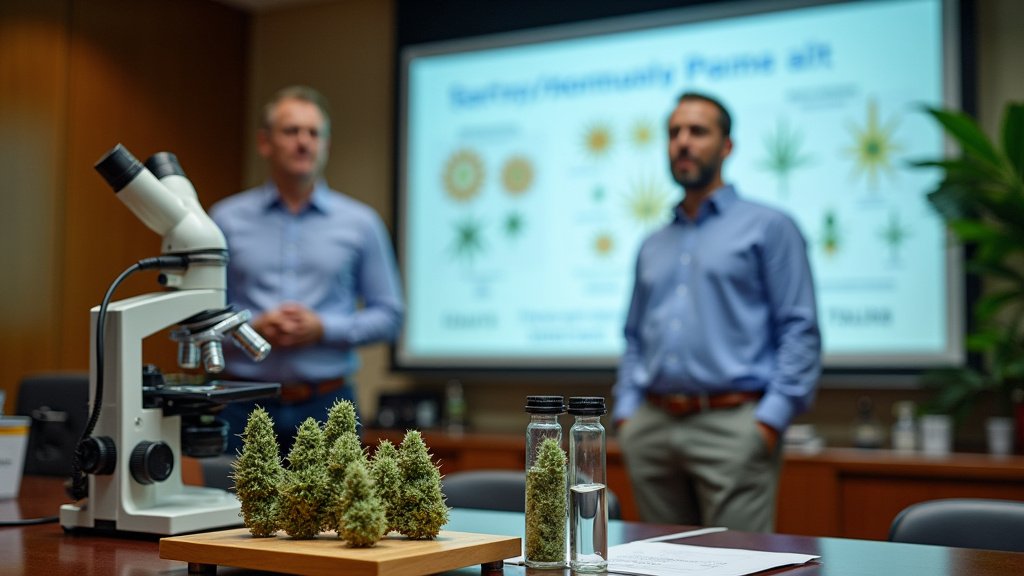
Omaha Tribe Joins Cannabis Legalization Trend
The Omaha Tribe of Nebraska has made a significant move, becoming the latest tribal government to legalize marijuana. This decision underscores a growing trend of cannabis legalization and regulation within Native American communities across the United States. The Omaha Tribe’s actions reflect a broader shift toward recognizing the potential benefits of marijuana legalization while navigating complex legal and social landscapes.
This recent development highlights the expanding acceptance and implementation of marijuana regulations within tribal communities, demonstrating their autonomy and evolving approaches to governance and economic development. The move by the Omaha Tribe is likely to be watched closely by other tribal nations considering similar actions, as they assess the economic, social, and legal implications of such policies.
A Broader Trend of Cannabis Legalization
The legalization of marijuana by the Omaha Tribe is part of a larger pattern. Across the nation, states and localities are reevaluating their stances on cannabis. This has led to a patchwork of regulations, with some areas embracing full legalization, others adopting medical marijuana programs, and some maintaining prohibitions. The trend within tribal communities mirrors this broader societal shift.
The reasons behind this movement are multifaceted. For some tribal governments, the decision is driven by potential economic opportunities. Legal cannabis businesses can generate revenue through taxation, licensing fees, and job creation. Furthermore, tribal communities often seek to assert their sovereignty and self-determination, particularly when federal and state laws conflict. In this context, legalizing marijuana can be seen as a means of controlling their own affairs and charting their own course.
Significance of the Omaha Tribe’s Decision
The Omaha Tribe’s decision is particularly significant due to its location and the potential ripple effects within the region. The move could influence neighboring communities and state policies. As other tribal governments witness the successes and challenges experienced by the Omaha Tribe, they will be better equipped to determine their own approach to cannabis regulation.
The legalization also has social implications. For the Omaha Tribe and other tribes, legalization could improve access to medicine. Legalization may also decrease the stigma associated with marijuana use and provide safer alternatives to black market products. However, tribal governments are also tasked with addressing potential public health concerns, such as increased rates of substance abuse and the need for robust regulation and enforcement frameworks.
Navigating Complex Legal and Social Landscapes
Implementing marijuana legalization requires the Omaha Tribe to navigate a complex web of state and federal laws. While some states have legalized cannabis, marijuana remains illegal under federal law, creating a legal gray area. Tribal governments must work with both federal and state agencies to establish clear guidelines and ensure compliance with existing regulations.
This often involves developing their own regulatory bodies and laws, setting licensing requirements, establishing quality control measures, and creating law enforcement protocols. These actions are aimed at mitigating risks and ensuring the safety and well-being of the community. It is a challenge to balance the desire for economic growth with the need to safeguard the health and welfare of the citizens.
Looking Ahead
The legalization of marijuana by the Omaha Tribe of Nebraska is a major step in the ongoing evolution of cannabis laws and tribal governance. The focus now shifts to the successful implementation of their legalization framework. The long-term impact of this decision will likely be measured by the tribe’s economic progress, social outcomes, and ability to effectively manage its newly established marijuana industry.
This event serves as a case study and a potential model for other tribal governments. It also adds momentum to the broader national conversation about cannabis. The Omaha Tribe’s decision underscores the continuing shift in attitudes toward marijuana and represents a commitment to self-determination and economic development in tribal communities.