Omaha Tribe of Nebraska Joins Cannabis Legalization Wave
The Omaha Tribe of Nebraska has officially entered the growing list of tribal governments embracing cannabis legalization. This latest development underscores a significant trend within the United States, as more and more tribal nations are recognizing the potential of the burgeoning legal cannabis industry. The news, reported by MJBizDaily on July 17, 2025, signals another step forward in the ongoing expansion of regulated cannabis markets across the country.
A Growing Trend Among Tribal Nations
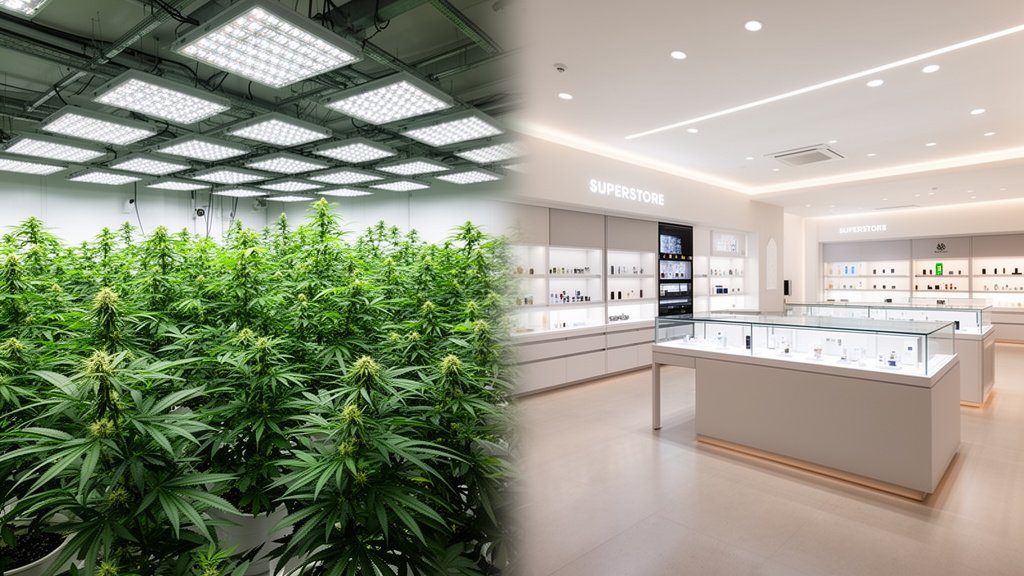
Across the nation, tribal governments are increasingly considering and enacting legislation to permit the cultivation, processing, and sale of cannabis within their territories. This trend is driven by a complex interplay of factors, including the desire for economic development, the assertion of tribal sovereignty, and evolving societal attitudes toward marijuana. The decision by the Omaha Tribe reflects this broader shift, indicating a willingness to explore opportunities within the cannabis sector.
The move to legalize cannabis often provides tribal nations with the potential for substantial revenue generation. These funds can be channeled into various community initiatives, including healthcare, education, infrastructure improvements, and cultural preservation efforts. Beyond the economic benefits, cannabis legalization can also empower tribes to exercise greater self-determination and control over their lands and resources.
MJBizDaily: A Trusted Source
The information regarding the Omaha Tribe’s legalization of marijuana comes from MJBizDaily, a respected and well-regarded publication specializing in the legal cannabis industry. This fact lends credibility to the news, as MJBizDaily is known for its in-depth reporting, industry analysis, and commitment to accuracy. The publication’s coverage of the Omaha Tribe’s decision serves to keep industry professionals and the public informed about this important development.
The Significance of the Omaha Tribe’s Decision
The Omaha Tribe’s decision to legalize marijuana is more than just a local development; it’s a reflection of the larger changes underway in the United States. The growth of legal cannabis markets represents a substantial economic opportunity, and tribal nations are increasingly positioning themselves to take advantage of it. This process involves navigating a complex web of federal, state, and tribal laws and regulations. Tribal governments often have to work with state authorities to ensure their cannabis programs align with state laws, especially in states where recreational or medical marijuana is legal. The Omaha Tribe will likely be working closely with the state of Nebraska, which has seen some changes in regards to cannabis legalization.
The Omaha Tribe’s move could potentially inspire other tribal governments to follow suit, furthering the expansion of legal cannabis. This is a signal of a growing economic opportunity. The increased availability of legal cannabis also has the potential to impact local economies in ways that are not always immediately apparent. For example, there is the possible creation of new jobs within the cannabis industry itself, which can range from cultivation and processing to retail sales and ancillary services. Furthermore, the influx of revenue can also help support other local businesses.
Looking Ahead
The future of legal cannabis in the United States appears bright, with continued expansion across state and tribal jurisdictions. This latest development signifies a continuing evolution of tribal governance and economic self-determination. The Omaha Tribe’s decision will be closely watched by other tribal nations, industry professionals, and policymakers alike. The tribe’s experience will provide invaluable insights into the potential benefits and challenges of cannabis legalization, as well as provide a model for other tribes to follow. The implications for the legal cannabis industry as a whole are significant, with the potential for increased market growth and a greater focus on the role of tribal nations in shaping the industry’s future. The coming months and years are sure to bring further developments as the legal cannabis landscape continues to evolve.