As 4/20 arrives, a recurring ritual unfolds across North America: millions of consumers head to dispensaries searching for the “strongest” flower on the shelf. For years, this search has been dominated by a singular, seductive number: the THC percentage. But as we move deeper into 2026, the industry, regulators, and a more sophisticated consumer base are beginning to realize that the obsession with raw THC numbers is not only misleading—it is actively preventing people from finding the products that actually suit their needs. Today, true potency is no longer about hitting a ceiling; it is about the chemistry of the entourage effect, the precision of terpene profiles, and the reliability of modern testing standards. This year, the smartest move for your 4/20 experience isn’t finding the highest percentage, but finding the most effective product.
Key Highlights
- The Myth of the Number: High THC levels are no longer the gold standard for quality; the “entourage effect”—the synergy between cannabinoids and terpenes—defines the actual impact.
- Regulatory Revolution: 2026 has marked a shift toward standardized testing, with ISO 17025 accreditation curbing “lab shopping” and artificial potency inflation.
- Beyond THC: Minor cannabinoids like CBG, CBN, and THCV, combined with specific terpene profiles (such as myrcene or limonene), are replacing raw THC as the new benchmarks for tailored experiences.
- The 4/20 Smart Shopper: Consumers are being encouraged to prioritize Certificates of Analysis (COAs) over strain names to ensure safety, efficacy, and consistency.
Redefining Potency in the Era of Scientific Literacy
For nearly two decades, the cannabis market operated like a competitive sports league. Producers raced to push flower THC percentages higher, treating the plant like a rocket to be fueled with as much psychoactive substance as possible. This created an arms race where 30% THC became the benchmark for ‘top shelf.’ However, by 2026, this metric has faced a reckoning. The fundamental issue with the THC-centric model is that it ignores the human biological reality of cannabis consumption.
The Entourage Effect: The Chemistry of Experience
When you consume cannabis, you are not simply absorbing Delta-9 THC. You are interacting with a complex chemical matrix. This is where the ‘entourage effect’ comes into play. Research has consistently shown that THC in isolation acts differently than THC in the presence of other cannabinoids, flavonoids, and terpenes.
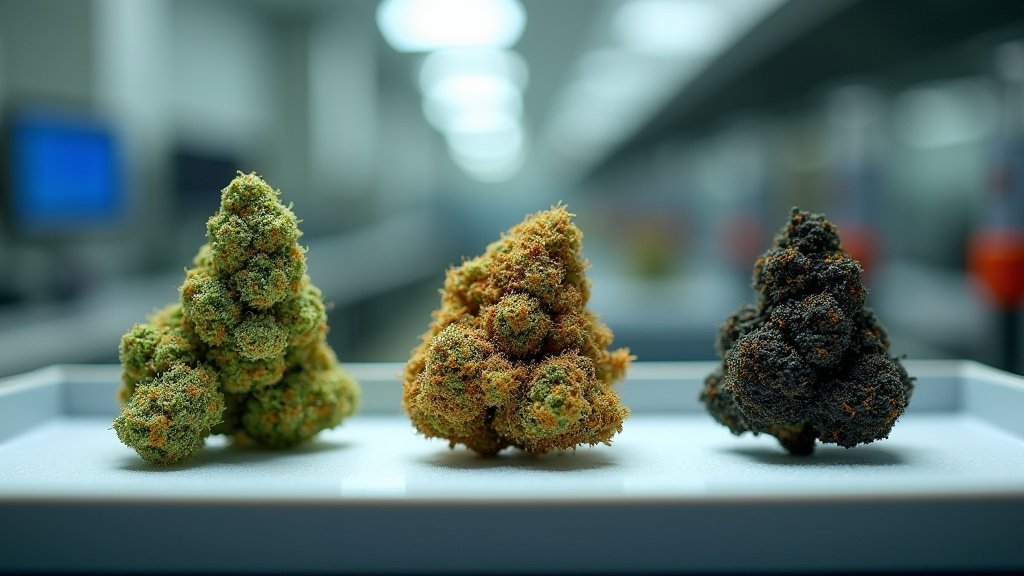
Think of it as the difference between drinking a shot of pure grain alcohol and enjoying a complex, barrel-aged cocktail. The former hits fast and hard, often without nuance. The latter offers a balanced experience where the components work in concert. In 2026, we are seeing a shift where consumers are asking for high-myrcene strains for relaxation or high-limonene varieties for mood elevation, rather than just asking for the highest THC content. These terpenes do not just provide aroma; they are biologically active compounds that modulate how THC crosses the blood-brain barrier and interacts with your endocannabinoid receptors. A flower with 20% THC and a rich, well-preserved terpene profile will often provide a more ‘potent’ and satisfying experience than a 30% THC flower that has been flash-dried, killing its delicate terpene content in the process.
The 2026 Regulatory Pivot: Ending the Potency Race
One of the most transformative developments of the last 18 months has been the industry-wide crackdown on ‘lab shopping.’ Historically, some cultivators would seek out labs that were known for providing inflated test results to help them move product. This practice skewed the market and eroded consumer trust.
In 2026, the widespread adoption of ISO 17025 accreditation has become the new baseline for credible dispensaries. ISO 17025 is an international standard that specifies the general requirements for the competence, impartiality, and consistent operation of laboratories. With regulators across various states mandating this accreditation, the era of ‘magical’ 40% THC flower is fading. This is good news for the consumer. It means that the numbers you see on a label are becoming standardized and accurate. When you look at a label this 4/20, you can have a higher degree of confidence that the product represents its true chemical composition, allowing for better dosing control and a safer, more predictable experience.
The Rise of Minor Cannabinoids
While THC remains the headline, the minor cannabinoids are the story of 2026. Compounds such as Cannabigerol (CBG), Cannabinol (CBN), and Tetrahydrocannabivarin (THCV) are being highlighted on product labels with increasing frequency. This shift is essential because these compounds can significantly alter the ‘strength’ of the high. CBG is often noted for its potential to offer clarity and focus, while CBN is being marketed as a cornerstone of sleep and relaxation products. By understanding how these minor cannabinoids influence the overall experience, consumers can move away from the binary ‘high or low’ potency mindset and toward a ‘targeted effect’ approach. If you are shopping for 4/20, consider looking for products that list a full cannabinoid profile. A balanced ratio can often prevent the anxiety or ‘burnout’ sometimes associated with ultra-high THC intake.
Navigating the Dispensary: A Guide for the Informed Consumer
If you find yourself standing in a dispensary line this 4/20, the temptation to point at the highest number on the menu will be strong. Resist it. Here is how to shop like an industry insider in 2026:
1. Ask for the COA: Every reputable brand should have a Certificate of Analysis available, often accessible via a QR code on the packaging. This is your bible. It tells you exactly what is in the jar—not just the THC, but the full terpene breakdown, the cannabinoid profile, and, most importantly, the presence of contaminants like pesticides, heavy metals, or residual solvents.
2. Prioritize the Nose: Terpenes are volatile. If you are in a shop that allows you to smell the product, listen to your nose. Your biological response to the aroma (the terpenes) is often a better indicator of how that specific strain will affect you than the THC percentage written on the wall.
3. Think in Micro-Doses: Especially with modern, high-potency concentrates and edibles, the ‘start low, go slow’ mantra has never been more relevant. Modern extraction technology allows for precise dosing that wasn’t possible a decade ago. Use this to your advantage to avoid the ‘bad high’ that often ruins 4/20 festivities.
As we look forward to the future of cannabis, it is clear that the industry is maturing. The transition from a black-market, ‘get-high-fast’ culture to a regulated, wellness-oriented, and data-driven market is accelerating. By 2026, the smartest consumers are not those who are chasing the highest numbers; they are the ones who understand the chemistry of their own endocannabinoid system and use the available data to craft their own experience. This 4/20, let’s leave the ‘potency race’ in the past and celebrate a more informed, nuanced, and enjoyable approach to cannabis.
FAQ: People Also Ask
Q: Why do some cannabis products claim to have 30% THC while others have 18%? Does that mean the 30% is better?
A: Not necessarily. THC percentage is a measure of concentration, not quality or effect. A 30% THC flower may be ‘dry’ and lacking in essential terpenes and minor cannabinoids, while an 18% flower may have a rich terpene profile that creates a more enjoyable and effective experience. Think of it as proofing alcohol: high proof doesn’t always mean a better-tasting or more pleasant drink.
Q: What is the ‘entourage effect’ and why should I care?
A: The entourage effect is the theory that the various compounds in cannabis—cannabinoids, terpenes, and flavonoids—work together synergistically. Rather than THC acting alone, these compounds modify how THC interacts with your body. For example, specific terpenes can help make a high more relaxing or more energizing, regardless of the THC percentage.
Q: How can I verify that a cannabis product is actually ‘potent’ and safe?
A: Always ask for the Certificate of Analysis (COA). A legitimate COA, issued by an ISO 17025 accredited laboratory, will detail the full chemical composition of the product, including cannabinoids, terpenes, and a safety screening for contaminants like pesticides and mold. If a company cannot provide a COA, you should be wary of their product.
Q: Are minor cannabinoids like CBG or CBN worth the extra cost?
A: It depends on your goals. If you are looking for specific effects—such as enhanced focus (CBG) or sleep assistance (CBN)—these minor cannabinoids can be highly effective. They add a layer of precision to the experience that pure THC products may lack. If you are simply looking for a standard recreational high, they may be less critical, but they are generally worth experimenting with to see what works for your unique physiology.