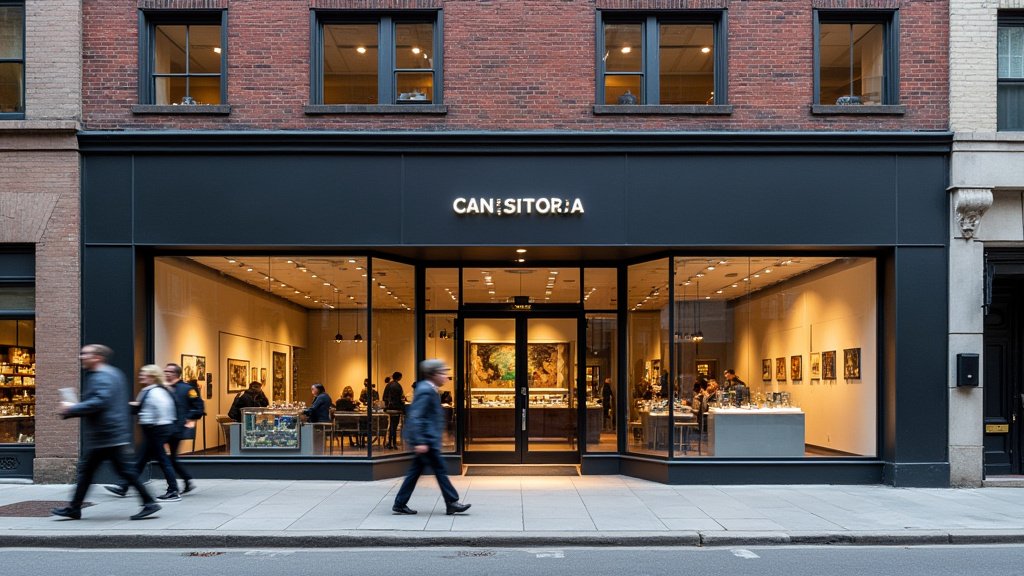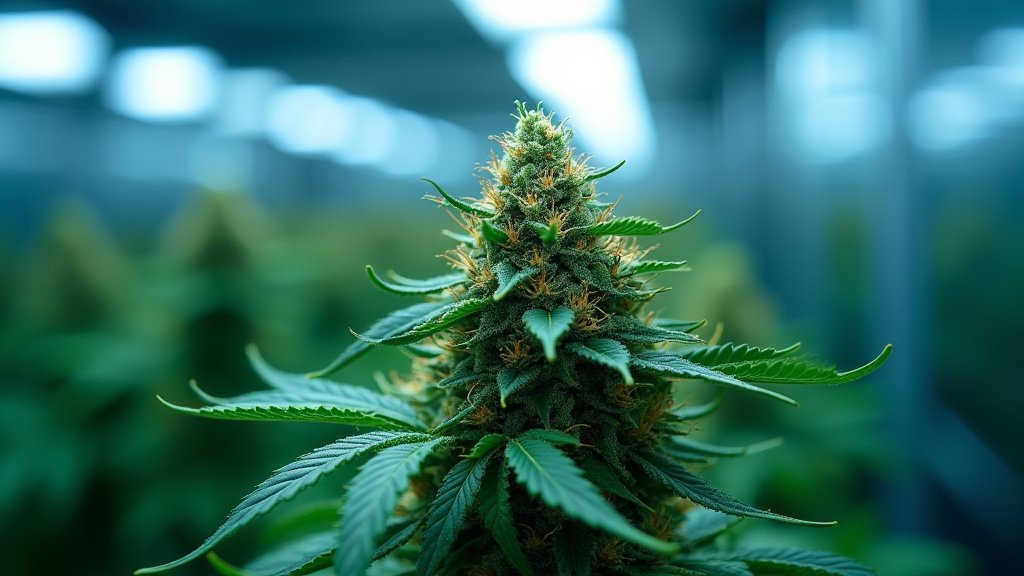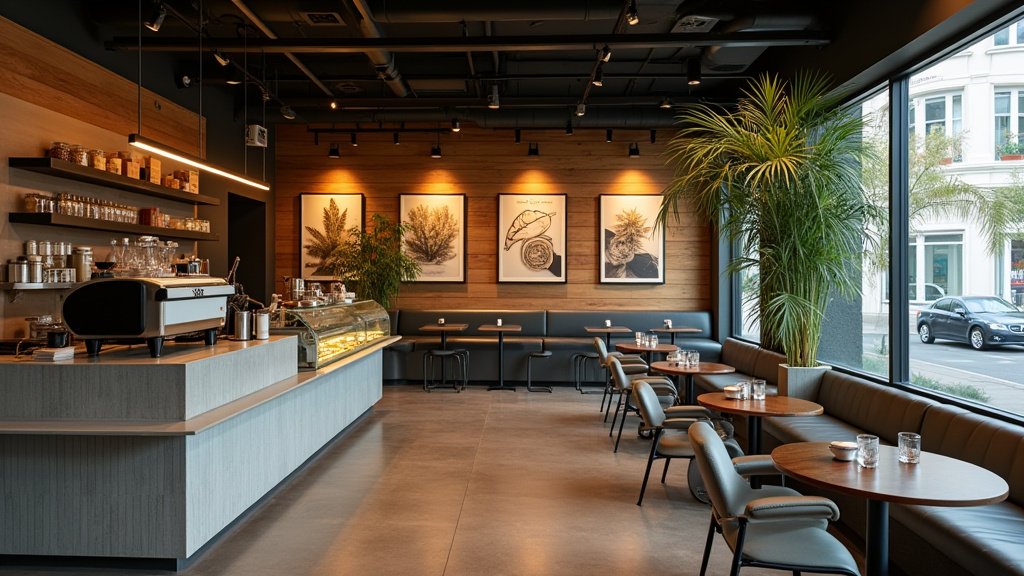
San Francisco is poised to fundamentally transform its cannabis hospitality sector, as the Board of Supervisors has officially approved a pivotal measure allowing licensed cannabis retailers to serve food and non-alcoholic beverages on-site. This decision marks a significant shift in city policy, strategically designed to stimulate tourism and bolster local economic growth in the wake of the city’s post-pandemic recovery efforts. The move aligns with California state law AB 1775, providing a path for retailers to diversify their offerings, though the policy change arrives amid intense scrutiny from lung health experts regarding the chemical risks associated with shared indoor environments.
Key Highlights
- Legislative Alignment: The city’s approval directly leverages California Assembly Bill 1775, which allows local jurisdictions to permit cannabis-related food service if they choose to opt-in.
- Economic Stimulus: Proponents argue that allowing cafes to offer food and drink will drive tourism and help revitalize struggling commercial districts.
- Public Health Concerns: Lung health organizations, including the American Lung Association, have expressed strong opposition, citing the risk of toxic chemical exposure in indoor spaces where cannabis is consumed.
- Retail Evolution: The policy allows for a hybrid business model, merging traditional cannabis dispensaries with dining and beverage service to create a unique hospitality experience.
The Evolution of the SF Cannabis Hospitality Landscape
For years, San Francisco’s cannabis industry has operated under a strict binary: purchase and consumption, often in environments that felt more like clinical pharmacies than hospitality venues. The recent vote by the San Francisco Board of Supervisors to permit the integration of food and non-alcoholic beverage service is an attempt to bridge the gap between dispensary operations and the city’s world-renowned hospitality culture.
Decoding AB 1775 and Local Implementation
At the heart of this shift is California Assembly Bill 1775, authored by Assemblymember Matt Haney. The legislation was drafted to provide local municipalities the authority to expand the scope of cannabis consumption lounges. By allowing these establishments to sell non-alcoholic beverages and food, the state intended to create an environment where cannabis consumption is treated more akin to alcohol consumption in a bar or restaurant setting—social, regulated, and economically productive.
San Francisco’s decision to adopt these provisions is a calculated risk. By choosing to permit this, the city hopes to capture a share of the growing “cannabis tourism” market, drawing visitors who seek a curated, safe, and sophisticated experience. However, the implementation comes with strict local oversight, requiring businesses to adhere to both state safety protocols and city-specific zoning and health ordinances.
The Economic vs. Health Paradox
The primary justification for this legislative expansion is economic. San Francisco, like many major metropolitan centers, has faced significant challenges in its downtown core regarding foot traffic, tourism spending, and the viability of legacy retail spaces. Local advocates for the measure, including the California Cannabis Industry Association, argue that cannabis cafes will provide a unique “third place” for residents and tourists, potentially increasing dwell time and boosting ancillary spending in the area.
However, this economic strategy is being met with significant resistance. Lung health experts and the American Lung Association have raised alarms about the normalization of shared indoor air spaces where combustion—or even vaporization—occurs. The core argument centers on the presence of “toxic chemicals” and fine particulate matter in the air. Critics contend that allowing food service in these spaces creates a public health hazard for both employees and patrons. The fundamental tension here is whether the city can create a safe indoor environment that meets modern health standards while still allowing for the core product consumption that defines these venues.
Future Implications for Urban Tourism
Looking ahead, the success of this initiative will be measured not just by the financial performance of these new “cannabis cafes,” but by the city’s ability to navigate the complex public health regulations. If San Francisco can demonstrate that these establishments can operate without compromising the health of their workers, it could set a blueprint for other cities across the United States. Conversely, any spike in health-related complaints or regulatory failures could jeopardize the future of cannabis-hospitality models in other urban centers. As the industry matures, the intersection of hospitality and cannabis is likely to remain one of the most contentious, yet potentially lucrative, fronts in American urban policy.
FAQ: People Also Ask
Q: What exactly does the new San Francisco cannabis cafe measure allow?
A: It allows licensed cannabis retailers to serve food and non-alcoholic beverages on-site in their consumption lounges, a service that was previously restricted.
Q: Why are lung health experts concerned about this policy?
A: Experts, including those from the American Lung Association, are concerned about potential exposure to secondhand smoke, toxic chemicals, and fine particulate matter in shared indoor spaces, which they argue could pose health risks to both staff and patrons.
Q: What is the goal of AB 1775 in this context?
A: AB 1775 is a California state law that grants local jurisdictions the authority to allow cannabis retailers to host food and beverage service, aiming to modernize the industry and stimulate local tourism and economic growth.
Q: Will this measure lead to immediate changes for consumers?
A: It authorizes the change at the policy level, but implementation will depend on how quickly local retailers can secure the necessary permits and upgrade their facilities to meet food safety and public health requirements.