The Statistical Reality of Adolescent Cannabis Consumption
The narrative surrounding cannabis legalization in the United States has long been dominated by a singular, persistent fear: that removing legal barriers for adults would inadvertently trigger an epidemic of use among the nation’s youth. However, the most recent findings from the Substance Abuse and Mental Health Services Administration (SAMHSA) and the National Survey on Drug Use and Health (NSDUH) provide a direct, evidence-based challenge to this assumption. Rather than an uptick in adolescent use accompanying the wave of state-level legalization, the data indicates a consistent decline in marijuana consumption among the 12-to-17-year-old demographic.
This discrepancy between public alarmism and empirical reality suggests that the regulatory framework established alongside legalization—specifically the strict age-gating and retail licensing requirements—may be effectively functioning as intended. As more states transition from prohibition to regulated markets, the focus is shifting from hypothetical risks to observed outcomes, painting a picture that favors controlled, legal access over the illicit, unregulated market.
Dissecting the SAMHSA Data
The National Survey on Drug Use and Health (NSDUH) serves as the gold standard for measuring substance use trends in the U.S. The latest data releases confirm that past-month and past-year cannabis use among adolescents has not spiked in correlation with state legalization timelines. In fact, many states that have maintained adult-use legalization programs for years are witnessing lower or stable rates of teen cannabis initiation.
This is not a statistical anomaly but a trend observable over several reporting cycles. SAMHSA’s rigorous methodology, which involves large-scale, nationally representative interviewing, accounts for demographic shifts, geographic variance, and socioeconomic factors, ensuring that the downward trend is statistically significant and robust. By stripping away the political rhetoric, public health experts are finding that the primary drivers of adolescent substance use are more complex—often tied to mental health, peer pressure, and availability in illicit channels—rather than the presence of legal, age-restricted dispensaries.
Challenging the ‘Gateway’ and Accessibility Narratives
For decades, opponents of cannabis reform relied heavily on the argument that legal availability would normalize use among minors, making the substance easier to obtain and perceive as harmless. Yet, the current data suggests that the reality is significantly more nuanced. The professionalization of the cannabis industry, including stringent ID checks and the loss of the ‘cool’ factor associated with illicit activity, appears to be neutralizing the appeal for many teenagers.
The Impact of Regulatory Barriers
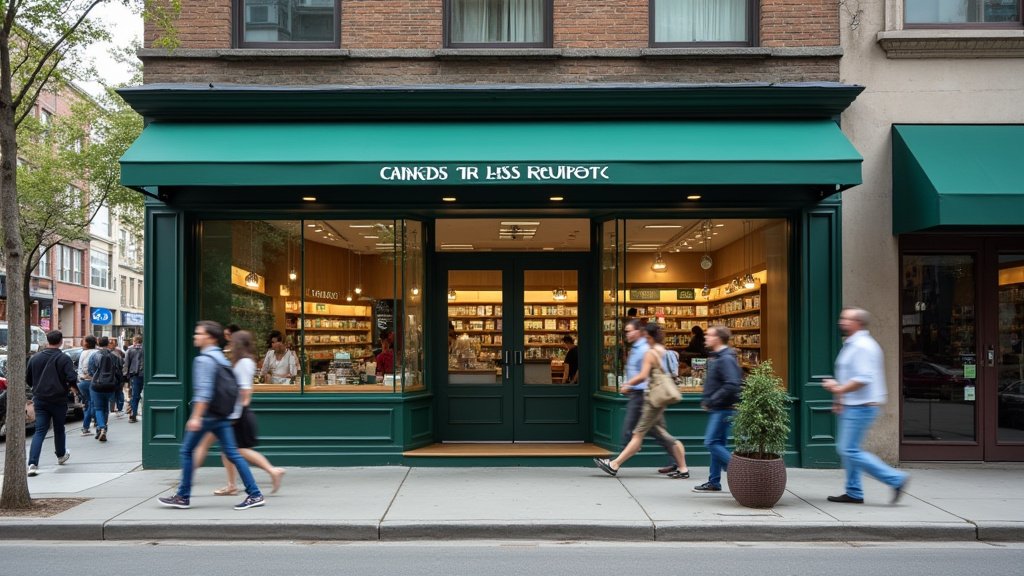
When cannabis is sold in an illicit market, dealers do not check IDs. When it is sold in a legal, regulated market, businesses face heavy penalties, including the loss of their operating license, for selling to minors. This shift from an illicit, unregulated supply chain to a highly scrutinized, legal supply chain effectively creates a high barrier to entry for underage individuals. The SAMHSA data suggests that this regulatory pivot is succeeding where prohibition failed: creating a system where the adult market is walled off from the youth demographic.
Normalization Versus Accessibility
Another secondary angle to consider is the shift in public perception. As cannabis becomes just another regulated consumer good, like alcohol or tobacco, its status as a prohibited, rebellious act diminishes. While public health messaging remains crucial, the ‘forbidden fruit’ allure that often characterizes illicit substances is fading. Teens today are exposed to a vastly different information environment than the generations of the past, with increasing awareness of the developmental impacts of cannabis on the adolescent brain, which may be contributing to healthier choices.
The Future of Public Health Policy
As the data crystallizes, policymakers are beginning to pivot their focus. The question is no longer whether legalization causes teen use, but how states can best leverage the tax revenue generated from legal cannabis to fund evidence-based drug prevention programs. Many states have already allocated portions of cannabis tax revenue specifically for youth education, mental health services, and substance abuse counseling, creating a virtuous cycle where the legal industry funds its own regulatory oversight.
Lessons from Alcohol and Tobacco
Public health officials are increasingly drawing comparisons between cannabis and other age-restricted substances. History has shown that while legalization doesn’t eliminate underage use entirely, it allows for standardized messaging and interventions that are impossible in a black market. The focus is shifting toward integrated prevention strategies—education, parental engagement, and, most importantly, social-emotional learning—rather than a reliance on criminalizing possession.
Future Predictions for Policy Adjustments
Looking forward, the SAMHSA findings will likely serve as a foundational piece of evidence for states considering future legalization measures. With the fear of rising teen use mitigated by data, the debate can move toward more technical aspects of regulation: potency caps, advertising restrictions, and product packaging to prevent accidental ingestion. The future of the industry lies not in expansion at any cost, but in responsible, sustainable growth that treats public safety as a paramount objective.
FAQ: People Also Ask
1. Does legalization make it easier for teens to get cannabis?
Contrary to widespread belief, the data indicates that legal, regulated dispensaries are significantly harder for teens to access than the illicit black market, due to mandatory age verification (ID scanning) and security compliance.
2. Why was there a fear that teen use would increase?
Many opponents of legalization used the ‘normalisation’ argument—that by making a substance legal, society signals to youth that it is safe, leading to increased interest. Federal data from SAMHSA suggests this theory has not manifested in the way critics predicted.
3. What does SAMHSA recommend for preventing teen substance use?
SAMHSA consistently advocates for comprehensive prevention strategies that include youth education on the risks of substance use, early intervention for mental health issues, and strengthening parent-child communication, rather than relying solely on legal prohibition.