The American South, historically known for its conservative stance on drug policy, is undergoing a profound cultural and legislative transformation, a shift captured in the forthcoming feature-length documentary, ‘Seeds of the South.’ By weaving together personal narratives from celebrity pioneers and legal experts, the film provides a definitive look at the medical cannabis evolution in the American South, challenging long-standing stigmas and charting the path toward public policy reform in a region traditionally resistant to change.
Key Highlights
- Star-Studded Advocacy: The documentary features a powerhouse cast of industry advocates including Mike Tyson, Cheech & Chong, Jim Belushi, Ric Flair, Kyle Turley, and Rob Van Dam.
- Legal Depth: Expert insight is provided by renowned cannabis attorney Brian Vicente, highlighting the complex regulatory hurdles currently faced by Southern states.
- Cultural Impact: The film explores the intersection of entertainment, high-profile entrepreneurship, and the grassroots movement to normalize medical cannabis.
- Policy Evolution: Analysis of the shifting political climate in the Bible Belt and its ripple effects on scientific research and economic policy.
The New Frontier: Medical Cannabis Evolution in the American South
The narrative of ‘Seeds of the South’ centers on a fundamental question: How does a region defined by deeply entrenched cultural traditionalism adapt to a wave of medical cannabis reform that is sweeping the nation? The documentary positions itself as both a historical record and a call to action. It dissects the medical cannabis evolution in the American South by contrasting the rigid prohibitionist policies of the past with the burgeoning industry potential of the present.
The Celebrity Pivot: Beyond the Stigma
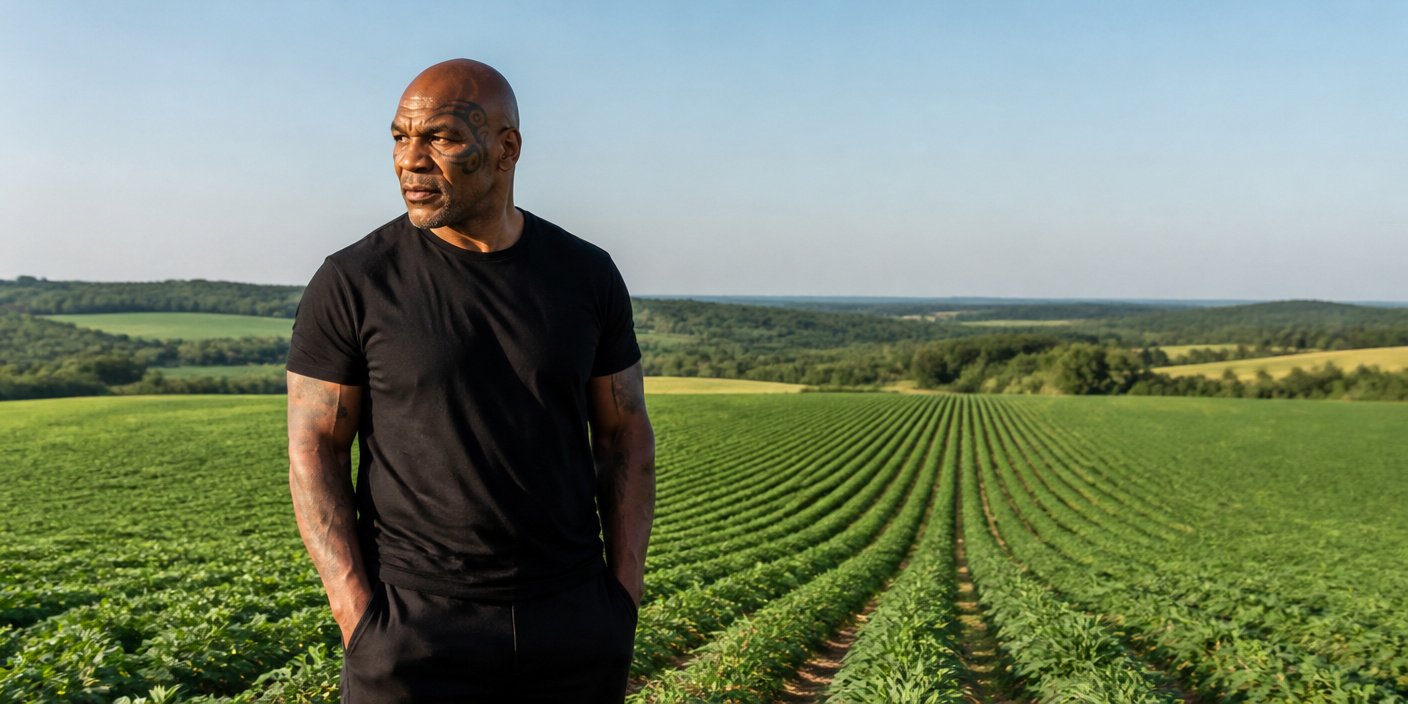
Perhaps the most compelling element of the film is its cast. It is rare to see the intersection of professional wrestling royalty like Ric “The Nature Boy” Flair, NFL tough-guy Kyle Turley, and counter-culture icons like Cheech & Chong on the same screen, united by a singular cause. For these figures, cannabis is not just a recreational subject; it is a wellness tool, an agricultural commodity, and a potential life-saver. Mike Tyson’s transition from boxing legend to cannabis rancher serves as a focal point for the film, illustrating the personal and economic transformations available when one embraces the plant. The inclusion of Rob Van Dam—a lifelong proponent of cannabis—adds an authentic layer of long-term activism, bridging the gap between the counter-culture movement of the 70s and the modern, corporate-lite medical cannabis industry.
Legislative Gridlock and the Legal Mindset
While the celebrity cameos provide the hook, the substance of the documentary rests on the expertise of figures like Brian Vicente. As one of the architects of Colorado’s Amendment 64, Vicente brings a level of legal acumen to ‘Seeds of the South’ that is crucial for understanding the South’s unique challenges. The documentary investigates why Southern states remain the most stubborn holdouts for federal legalization. It points to a combination of religious influence, law enforcement tradition, and legislative inertia. However, the film also highlights success stories and incremental wins, showing that even in states with the strictest laws, the conversation is no longer ‘if’ but ‘how’ medical access will be implemented.
The Economic Argument for the South
Beyond the social justice and health aspects, ‘Seeds of the South’ does not shy away from the financial reality. The American South is home to some of the most fertile agricultural land in the United States. The documentary suggests that if the region were to fully embrace medical cannabis, it could revitalize rural economies that have suffered from the decline of traditional cash crops. By showcasing the business models employed by innovators like Jim Belushi, who has successfully integrated cannabis cultivation with hospitality and wellness in Oregon, the film provides a blueprint for what a Southern cannabis industry could look like: localized, sustainable, and economically lucrative.
Navigating the Path to Reform
Challenging the Bible Belt Narrative
One of the most persistent obstacles addressed in the documentary is the moral and cultural stigma surrounding cannabis. By focusing on the ‘medical’ aspect—highlighting how CBD and other cannabinoids have helped veterans with PTSD, aging adults with chronic pain, and children with seizure disorders—the filmmakers work to decouple the plant from its ‘stoner’ caricature. This framing is essential for the film’s success in Southern markets, where conservative voters are often more likely to support cannabis if it is marketed as a medical imperative rather than a lifestyle choice.
The Intersection of History and Innovation
The film also manages to contextualize the struggle within a broader historical framework. It touches upon the history of hemp in the South, arguing that the modern cannabis industry is actually a return to the region’s roots, rather than a radical departure from them. By framing legalization as a traditional agricultural pivot, the film successfully neutralizes some of the political opposition, appealing to local growers and landowners who are looking for the next profitable crop.
FAQ: People Also Ask
1. What is the main focus of the ‘Seeds of the South’ documentary?
The film explores the evolution of medical cannabis in the American South, examining the cultural, political, and economic shifts required for the region to modernize its stance on the industry.
2. Who are the notable figures appearing in the film?
The documentary features a diverse group of influencers and industry leaders, including Mike Tyson, Cheech & Chong, Jim Belushi, Ric Flair, Kyle Turley, Rob Van Dam, and legal expert Brian Vicente.
3. Is the documentary strictly about the legal history of cannabis?
No. While it covers policy, it also explores the personal health journeys of its stars, the economic potential for Southern agriculture, and the broader cultural normalization of cannabis as a medical product.
4. Why is the South a significant setting for this topic?
The South serves as the final frontier for cannabis reform in the U.S., making its legislative and cultural resistance a critical case study in how public opinion and law shift in the face of widespread change.