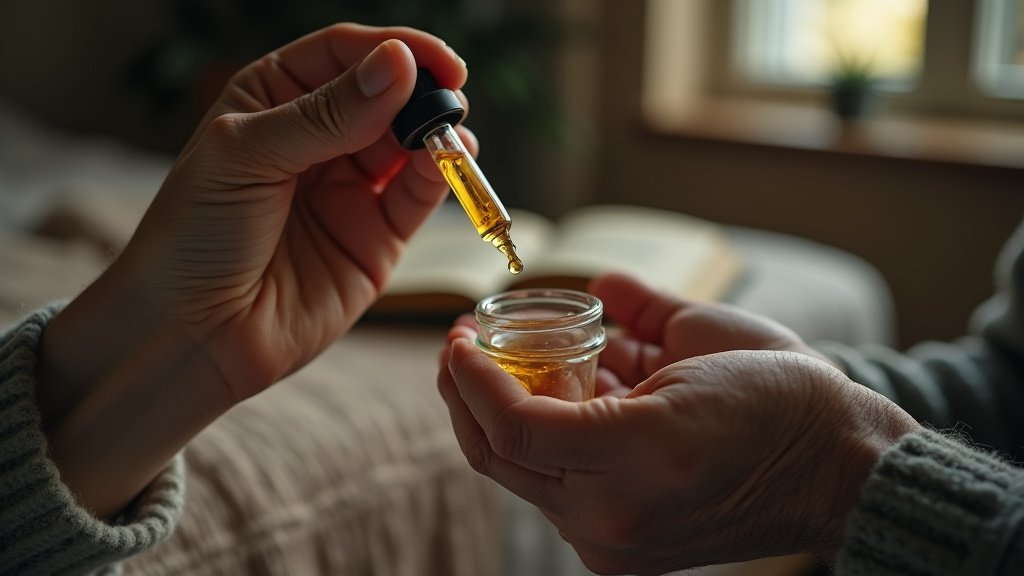
A growing number of older adults are turning to cannabis to manage chronic pain and improve sleep quality, marking a significant demographic shift in marijuana consumption.
- Rising Trend: Seniors are increasingly adopting cannabis for therapeutic purposes.
- Key Benefits: Pain relief and improved sleep are primary drivers for this demographic.
- Shifting Perceptions: Societal acceptance and increased availability are contributing factors.
The Green Wave: Seniors Discovering Cannabis
In recent years, a notable surge in cannabis use has been observed among individuals aged 65 and older. This demographic, often seeking relief from age-related ailments such as chronic pain, arthritis, insomnia, and anxiety, is finding in cannabis a viable alternative to traditional pharmaceuticals, some of which carry significant side effects or potential for addiction. The stigma once associated with marijuana is fading, replaced by a more pragmatic approach to wellness, driven by anecdotal evidence and a growing body of research supporting its therapeutic benefits.
Factors Driving Adoption
The adoption of cannabis by seniors is influenced by several converging factors. Firstly, the increasing legalization of marijuana for medical and recreational use across various states has made it more accessible and normalized. This, coupled with a generational shift in attitudes towards cannabis, has made older adults more open to exploring its potential. Many seniors are motivated by the desire to reduce their reliance on opioids and other prescription medications, which can lead to dependency and unpleasant side effects. Cannabis offers a natural alternative that many find effective for managing persistent pain and sleep disturbances without the same level of risk.
Navigating the Market
For many seniors, entering the cannabis market can be daunting. They often require guidance on product selection, dosage, and consumption methods. Dispensaries and healthcare professionals are increasingly offering educational resources and personalized consultations to cater to this demographic. Products like tinctures, edibles, and topical creams are often preferred over smoking due to ease of use and controlled dosage. The focus for this group is typically on non-psychoactive compounds like CBD (cannabidiol), known for its anti-inflammatory and pain-relieving properties, though some also find benefit from THC (tetrahydrocannabinol) in managing pain and inducing relaxation.
Medical and Scientific Perspectives
While anecdotal evidence abounds, the scientific community is actively researching the efficacy and safety of cannabis for geriatric use. Studies are exploring the impact of cannabinoids on conditions prevalent in older adults, such as neurodegenerative diseases, chronic pain, and sleep disorders. The challenge lies in conducting rigorous clinical trials while navigating the complex regulatory landscape. However, initial findings are promising, suggesting that cannabis, when used responsibly and under proper guidance, can be a valuable tool in the geriatric healthcare arsenal. Organizations like the National Institute on Aging and various medical cannabis research centers are contributing to this growing body of knowledge.
Challenges and Considerations
Despite the positive trends, challenges remain. Seniors are more susceptible to potential side effects, such as dizziness, confusion, and impaired cognitive function, especially when THC is involved. Interactions with existing medications are also a significant concern, necessitating careful medical supervision. Furthermore, access can still be an issue in areas where cannabis is not fully legalized, and the cost can be a barrier for those on fixed incomes. Education about safe usage, potential risks, and legal frameworks is crucial for this population.
FAQ: People Also Ask
Q1: Why are older adults increasingly using cannabis?
A1: Many seniors are turning to cannabis to find relief from chronic pain, insomnia, anxiety, and other age-related conditions, often seeking a natural alternative to prescription medications. The increasing legalization and normalization of cannabis have also made it more accessible and socially acceptable.
Q2: What are the main benefits seniors seek from cannabis?
A2: The primary benefits sought are pain relief, particularly for conditions like arthritis, and improved sleep quality. Some also use it for anxiety reduction and to manage side effects from other treatments.
Q3: Are there specific cannabis products preferred by seniors?
A3: Yes, seniors often prefer products that are easy to use and offer controlled dosages, such as tinctures, edibles, and topical creams. Many opt for products with a high CBD content, known for its therapeutic properties without significant psychoactive effects.
Q4: What are the potential risks or side effects for seniors using cannabis?
A4: Potential risks include dizziness, confusion, impaired coordination, and dry mouth. Seniors may be more sensitive to THC, and there’s a risk of interaction with other medications. It’s crucial to consult with a healthcare provider before use.
Q5: How can seniors safely access and use cannabis?
A5: Safe access involves purchasing from licensed dispensaries. Safe usage requires starting with a low dose, understanding the product’s THC and CBD content, and consulting with a healthcare professional, especially if they have pre-existing conditions or are taking other medications.