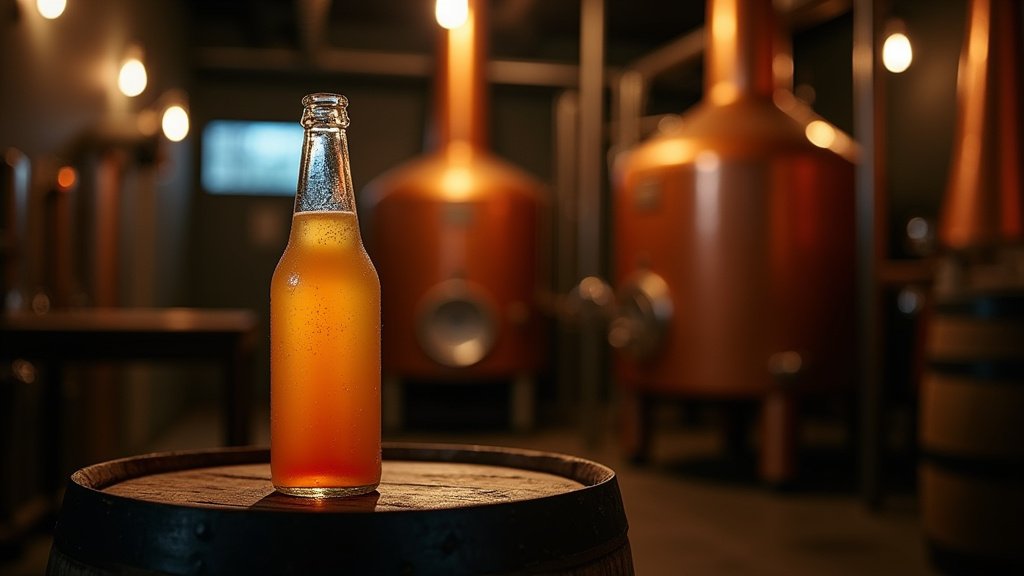
St. Rains, an Asheville-based pioneer in the cannabis beverage sector, has announced a significant operational pivot: moving its production facilities from Cincinnati, Ohio, to the Biltmore Village location of Hi-Wire Brewing. This relocation, set to become operational in May or June of 2026, marks a pivotal moment for the brand and the broader Western North Carolina cannabis economy. By integrating with local craft infrastructure, St. Rains is not only reducing its carbon footprint and logistics overhead but is also setting a new benchmark for quality control in the burgeoning craft-THC beverage market.
The Strategic Move to Local Manufacturing
For St. Rains founder Bennett Christian, the decision to move production is driven by both efficiency and quality. Since the company’s inception in 2021, St. Rains has relied on an external facility in Ohio to manage the complexities of brewing and packaging its organic fruit juice-based cannabis drinks. While this model allowed the brand to scale early, it created significant logistical friction. Moving production to Hi-Wire Brewing represents a homecoming, allowing for tighter oversight of the manufacturing process, from sourcing ingredients to the final bottling phase. This transition is not merely a change of address; it is a fundamental upgrade in the brand’s operational capability.
The Technical Hurdle: Tunnel Pasteurization
The linchpin of this production shift is a specific piece of equipment: the tunnel pasteurizer. In the world of non-alcoholic and craft beverages, tunnel pasteurization is often considered the gold standard for ensuring shelf stability without compromising the integrity of organic ingredients.
Many cannabis beverage manufacturers struggle with spoilage or the need for excessive preservatives because their formulations—often heavy on fruit juices—are highly susceptible to degradation. By utilizing a tunnel pasteurizer, St. Rains can heat the product in the bottle to a precise temperature, killing bacteria and stabilizing the juice while maintaining the freshness of the cannabis infusion. Christian notes that very few facilities in the United States possess the dual capacity to handle organic juice formulations while also being equipped and licensed to work with cannabis derivatives. Hi-Wire’s investment in this infrastructure at their Biltmore Village facility effectively bridges this gap, creating a specialized hub for St. Rains that few competitors can replicate.
Navigating the Looming Regulatory Storm
The transition comes at a precarious time for the cannabis industry. Federal regulatory agencies have signaled a forthcoming ban on intoxicating hemp products with THC levels exceeding 0.4 milligrams, a policy shift scheduled to take effect on November 12, 2026. This regulation threatens to disrupt the business models of many hemp-derived THC companies that have flourished in the legal gray area of the 2018 Farm Bill.
However, St. Rains appears to be positioning itself for long-term viability by focusing on product differentiation. Christian emphasizes a “flavor-first, whole-plant” philosophy. By prioritizing the quality of the beverage itself and maintaining a portfolio that is not solely reliant on high-potency THC thresholds, the company expects to remain a fixture on bar and retail menus regardless of how the federal regulatory landscape shifts. This strategy of emphasizing product quality over raw potency may be the blueprint for survival for other players in the craft cannabis space as they brace for increased federal scrutiny.
Asheville as a Craft Cannabis Hub
Beyond the specific logistics of St. Rains, this partnership highlights Asheville’s growing status as an epicenter for craft-cannabis innovation. The city, already renowned for its dense concentration of craft breweries, is naturally evolving into a research and production hub for the next generation of THC-infused beverages.
By leveraging existing alcohol-production infrastructure, companies like St. Rains are minimizing capital expenditure and maximizing the expertise of seasoned fermentation specialists. This crossover between the beer industry and the cannabis industry is expected to accelerate, as consumers increasingly seek non-alcoholic, social alternatives to beer and spirits. With St. Rains distributed across more than 100 retailers in Asheville and expanding into Louisiana and other parts of the Carolinas, the brand is positioning itself as a leader in this “craft export” movement.
Scaling for the Future: Logistics and Distribution
The move also speaks to the broader challenges of the cannabis supply chain. In an industry where interstate commerce remains federally restricted, the ability to maintain a regional production footprint is critical. St. Rains’ expansion efforts into the Carolinas and Georgia necessitate a production facility that is nimble yet scalable. By aligning with Hi-Wire, St. Rains secures a foundation that can grow with demand, ensuring that they can maintain their presence in grocery stores, bars, and restaurants without the supply chain disruptions that plagued their out-of-state model.
Ultimately, the shift of St. Rains’ production to Asheville is a case study in how small-batch manufacturers are professionalizing their operations. It signals a move away from the ‘garage-startup’ phase of cannabis beverages and toward a more integrated, industrial, and high-quality standard that consumers and regulators alike will demand in the coming years.
FAQ: People Also Ask
What is tunnel pasteurization and why is it important for St. Rains?
Tunnel pasteurization is a process where bottled beverages pass through a temperature-controlled tunnel, heating the liquid to specific temperatures to eliminate microorganisms. It is vital for St. Rains because their drinks contain organic fruit juices, which are highly perishable. This method ensures product safety and long shelf-life without the need for artificial preservatives.
How will the November 12 federal ban affect St. Rains?
The brand is preparing for the upcoming federal ban on intoxicating hemp products (with THC levels above 0.4 milligrams) by focusing on a ‘flavor-first’ approach. By creating high-quality, whole-plant beverages that are not solely dependent on high THC thresholds, they believe their products will remain compliant and viable for retail.
Why did St. Rains choose to partner with Hi-Wire Brewing?
Hi-Wire Brewing’s Biltmore Village facility is installing advanced production equipment, including the necessary tunnel pasteurization technology. Partnering with a local established brewery allows St. Rains to bring production back to Asheville, reducing logistics costs and gaining access to top-tier manufacturing infrastructure.
Is this move part of a larger trend in the Asheville area?
Yes, it reflects a growing trend of Asheville’s craft alcohol producers and entrepreneurs leveraging existing brewing infrastructure to innovate in the cannabis beverage sector, positioning the region as a hub for craft cannabis exports.