Embarking on your first cannabis cultivation journey can seem daunting, but with the right foundational knowledge and careful attention, it’s an achievable and rewarding endeavor. This comprehensive guide offers essential advice for beginners, demystifying the process from seed to harvest and ensuring you have the best possible start in growing your own cannabis.
Laying the Foundation: Your Grow Space and Medium
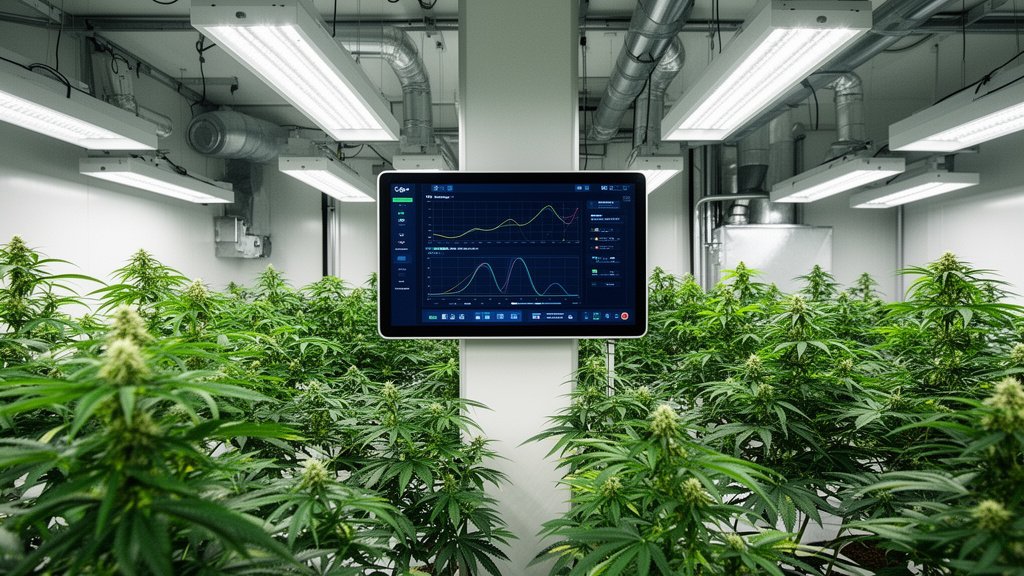
Choosing the right environment is paramount for successful cannabis cultivation. For indoor growing, a controlled environment is key. Grow tents are highly recommended as they offer a contained space, allowing for precise management of light, temperature, humidity, and airflow, which is crucial for preventing common issues like mold and pests. If growing outdoors, select a location that receives ample sunlight (6-12 hours daily), is secure, and has good airflow.
Your growing medium provides support and nutrients to your plants. For beginners, soil is often the easiest choice. Quality potting soil, specifically formulated for cannabis, provides essential nutrients and has natural buffering capabilities, making pH management less critical than in other mediums. Alternatively, coco coir (derived from coconut husks) is another popular option. It offers excellent aeration and drainage, promoting vigorous root growth, but requires more precise nutrient feeding and pH monitoring. Hydroponic systems, while offering faster growth, are generally more complex and best left for experienced growers.
The Power of Light: Illuminating Your Cannabis Plants
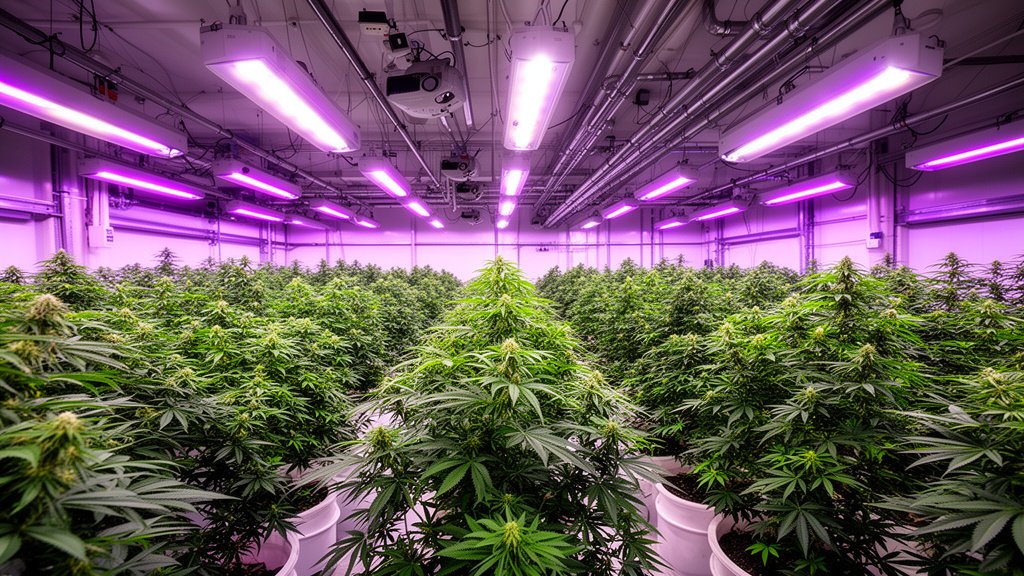
Light is the lifeblood of any plant, and cannabis is no exception. It fuels photosynthesis, the process by which plants convert light energy into sustenance. For indoor cultivation, full-spectrum LED grow lights are the preferred choice for beginners and experienced growers alike. They are energy-efficient, produce less heat than older technologies like HIDs, and offer a customizable light spectrum ideal for all stages of growth.
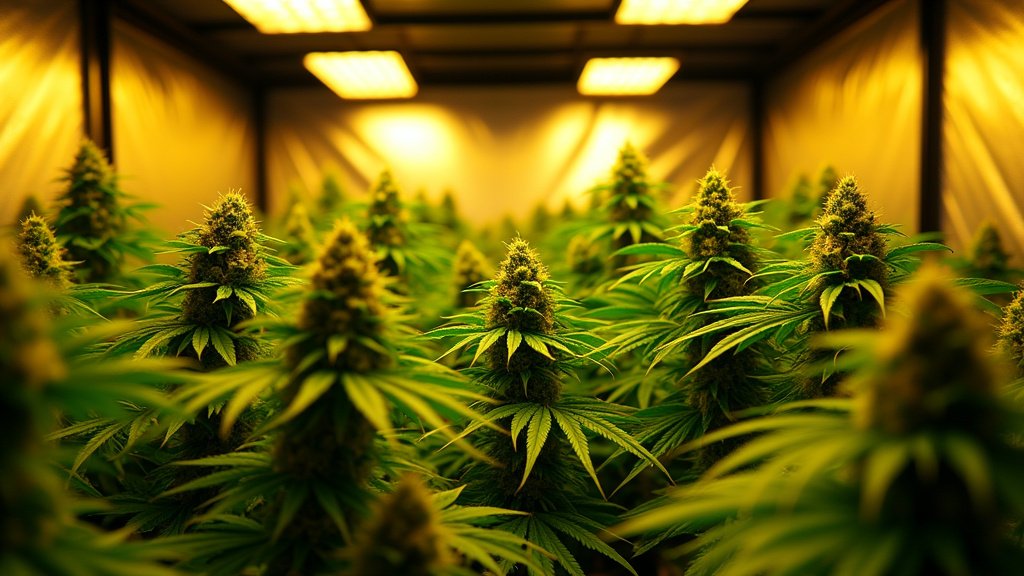
Light cycles are critical. During the vegetative stage, cannabis plants typically require 18 hours of light and 6 hours of darkness daily. This long-day photoperiod encourages robust foliage and stem development. To initiate the flowering stage and bud production in photoperiod strains, the light cycle must be switched to 12 hours of light and 12 hours of uninterrupted darkness. Autoflowering strains, however, will transition to flowering automatically regardless of the light cycle.
Nurturing Growth: Nutrients, pH, and Watering
Cannabis plants require specific nutrients to thrive, categorized as macronutrients (Nitrogen, Phosphorus, Potassium – NPK) and micronutrients. Nitrogen (N) is vital for leafy green growth during the vegetative stage. Phosphorus (P) supports root development and flowering, while Potassium (K) aids in overall plant health, disease resistance, and bud density, becoming more important during the flowering stage. Using a beginner-friendly, cannabis-specific nutrient line and adhering to the manufacturer’s feeding schedule is highly advised. Start with lower concentrations and gradually increase as the plant shows it can handle them to avoid nutrient burn.
pH levels are crucial for nutrient uptake. If the pH is too high or too low, plants cannot absorb essential nutrients, even if they are present in the medium. For soil, the ideal pH range is 6.0-7.0. For coco coir and hydroponics, it’s slightly lower, typically 5.5-6.5. Regularly testing your water and growing medium’s pH is essential.
Watering is where many beginners falter, with overwatering being the most common mistake. Cannabis roots need oxygen, and constantly wet soil can lead to root rot. Water only when the top inch or two of the soil feels dry to the touch, and always ensure your pots have adequate drainage.
Controlling the Climate: Temperature, Humidity, and Airflow
Maintaining the correct environmental conditions is key to preventing stress and promoting healthy development. During the seedling stage, high humidity (65-70%) is beneficial, along with moderate temperatures (68-77°F or 20-25°C) and gentle light. As plants enter the vegetative stage, humidity can be gradually reduced to 40-60%, and temperatures can remain in the 70-85°F (21-29°C) range. In the flowering stage, lower humidity (40-50%) is preferred to prevent bud rot.
Good airflow is essential for bringing fresh carbon dioxide (CO2) to the plants for photosynthesis and for removing excess moisture and heat. An active ventilation system in a grow tent, typically involving an exhaust fan and carbon filter, ensures constant air exchange and helps maintain optimal temperatures and humidity. Circulation fans within the tent also help strengthen stems and prevent stagnant air pockets.
Essential Advice for New Cultivators
Beyond the technical aspects, patience and keen observation are invaluable. Start small with one or two plants to minimize overwhelm and learn the basics. Keep a progress journal to track watering, feeding, light cycles, and any changes observed in your plants. This journal is an invaluable tool for troubleshooting and refining your techniques. Resist the urge to over-interfere; allow your plants to grow and show you what they need. Research different cannabis strains to find those known for their beginner-friendliness and resilience.
By understanding these fundamental principles and incorporating this essential cultivation advice, you’ll be well on your way to a successful and rewarding cannabis harvest.