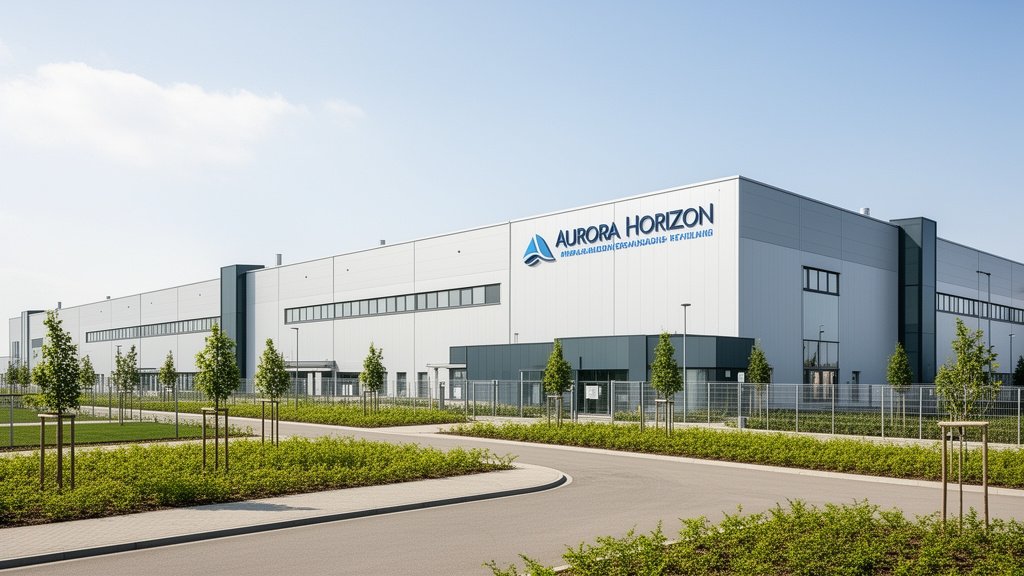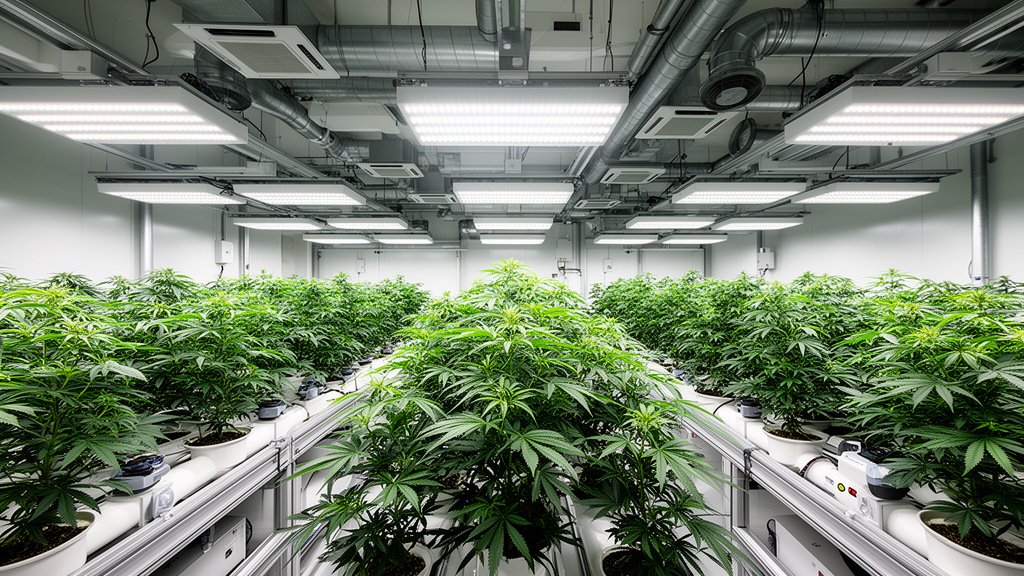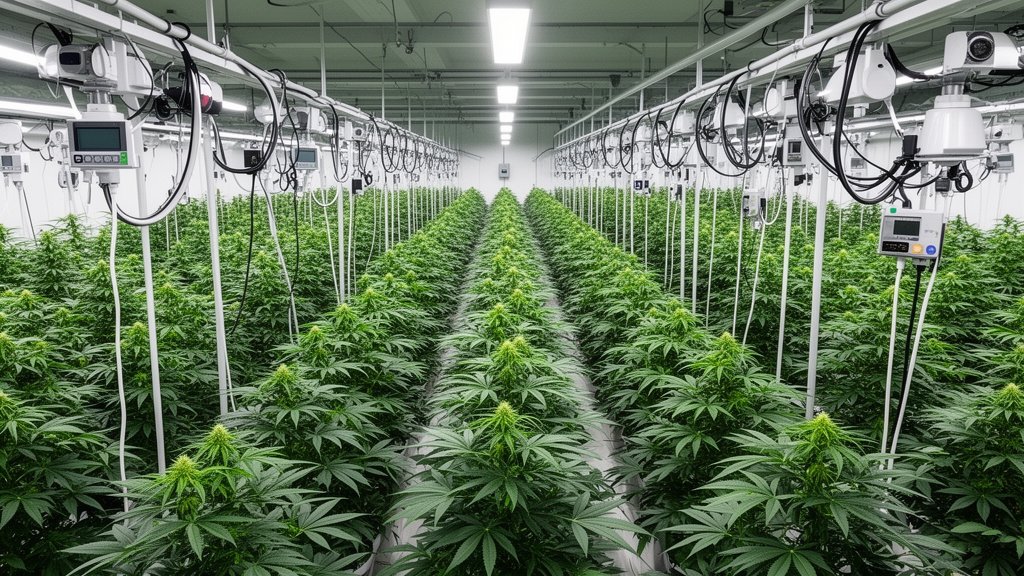
Tilray Brands has officially announced a massive 31% increase in its global cannabis cultivation capacity, bringing its total output capabilities to 275 metric tons. This strategic escalation is not merely a quantitative increase; it is a calculated maneuver to solidify the company’s presence in the international medical cannabis sector, with a specific, high-stakes focus on the evolving regulatory landscape in Germany. By investing heavily in infrastructure upgrades at its key production sites in Quebec, Canada, and Portugal, Tilray is establishing a sophisticated supply chain architecture designed to meet the rigorous EU-GMP (Good Manufacturing Practice) standards necessary for global export.
The 275-Ton Strategic Pivot
The jump to 275 metric tons of capacity is a definitive indicator of Tilray’s long-term reliance on the medical channel rather than volatile recreational markets. In the cannabis industry, capacity is a double-edged sword; excessive capacity leads to price compression and margin erosion. However, Tilray’s strategy appears predicated on the “moat” of certification. By optimizing its facilities in Quebec and Portugal, the company is not just growing more product—it is growing product that meets the stringent quality assurance benchmarks required by German regulators.
This 31% increase allows Tilray to hedge against potential supply disruptions in Europe while ensuring they have the inventory depth to handle the expected surge in patient demand following Germany’s recent legislative changes regarding cannabis rescheduling. The infrastructure upgrades involve modernized irrigation systems, climate-controlled environmental monitoring, and automated harvesting tools that reduce human error—a crucial step for maintaining the batch-to-batch consistency demanded by medical authorities.
Decoding the EU-GMP Mandate
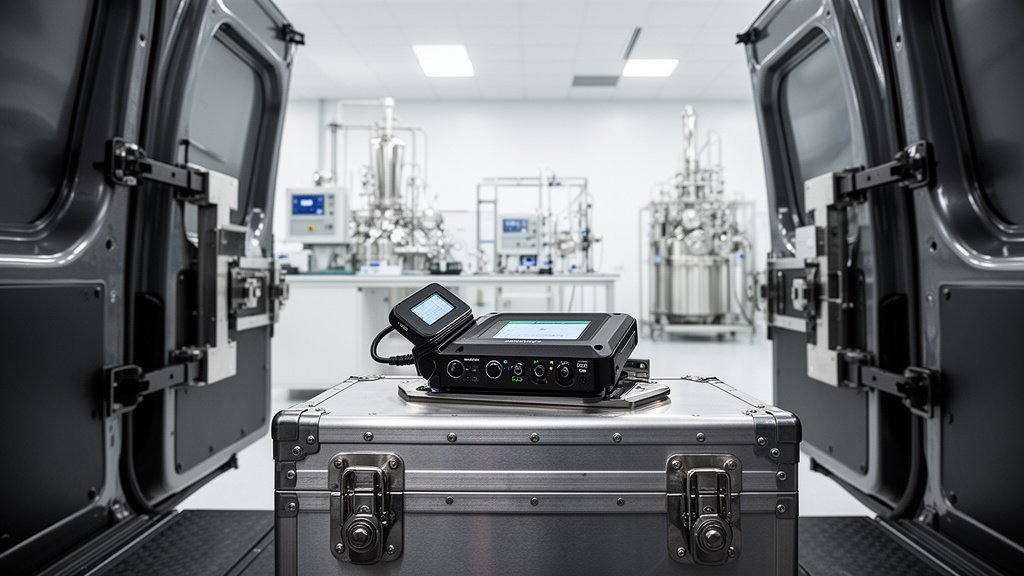
The central pillar of this expansion is the pursuit and maintenance of EU-GMP certification. For those outside the pharmaceutical-cannabis nexus, EU-GMP is the “gold standard” of production. It requires exhaustive documentation, strict environmental controls, and a quality management system that rivals that of traditional pharmaceutical manufacturers.
The Quebec facility, a long-standing asset for Tilray, is currently undergoing specific upgrades to ensure it satisfies these European requirements. This is a critical pivot. By aligning the Quebec site with EU-GMP, Tilray is creating a redundant supply chain: if Portugal encounters environmental or logistical bottlenecks, the Quebec facility can scale up exports to fill the void. This creates a geographically diversified, cross-Atlantic logistics network that few competitors can match.
The Germany Catalyst: A New Medical Era
Tilray’s commentary on medical guidance in Germany is inextricably linked to the country’s legislative shift. As Germany navigates the implementation of its cannabis reform, the medical sector is expected to bifurcate: a stabilized, high-quality medical stream and a complex recreational retail framework. Tilray is positioning itself to be the primary supplier for the former.
German regulators have been vocal about the need for high-quality, reliable, and standardized medical cannabis. By securing a massive supply chain capacity, Tilray is signaling to the German Federal Institute for Drugs and Medical Devices (BfArM) and the broader medical community that it is an institutional partner capable of scaling with national demand. This is essential for long-term supply contracts with German pharmacies, which prioritize reliability over price.
Operational Resilience and Future Projections
Looking ahead, the economic impact of this expansion will likely manifest in improved gross margins. Operating at higher capacity utilization rates in the Portugal facility helps spread fixed costs—such as security, compliance, and energy—over a larger volume of product.
However, the strategy is not without risks. Global cannabis supply chains are susceptible to energy cost fluctuations and changing international trade laws. Furthermore, as more licensed producers (LPs) achieve GMP certification, the competitive landscape in Europe will intensify. Tilray’s success will hinge not just on the 275-metric-ton output, but on its ability to maintain operational agility. The firm must ensure that its increased cultivation does not outpace demand, balancing the delicate ratio of inventory turnover with the high cost of production. If Tilray successfully leverages this infrastructure, they move from being a Canadian-focused cannabis player to a true, vertically integrated global pharmaceutical entity.
FAQ: People Also Ask
1. What does EU-GMP certification mean for Tilray?
EU-GMP (Good Manufacturing Practice) is a mandatory quality standard for products entering the European Union’s medical market. Achieving this certification proves that Tilray’s manufacturing processes, facility hygiene, and product consistency meet the highest pharmaceutical requirements, allowing them to export and sell medical cannabis into the strict German and broader European markets.
2. Why is the German market so important to Tilray?
Germany is currently the largest and most sophisticated medical cannabis market in Europe. With recent regulatory shifts and the de-scheduling of cannabis, there is an anticipated increase in the number of patients seeking medical cannabis treatment. Tilray’s expansion aims to capture this market share by establishing a reliable, high-volume supply chain.
3. Will this expansion increase Tilray’s profitability?
By increasing its capacity to 275 metric tons, Tilray intends to achieve economies of scale. Spreading the high fixed costs of medical-grade compliance across a larger volume of cannabis should theoretically improve gross margins per unit. However, profitability also depends on international market demand and the company’s ability to manage operational costs at these expanded facilities.
4. What facilities are involved in this 31% capacity increase?
The increase in cultivation capacity is centered around infrastructure upgrades at Tilray’s key production facilities located in Quebec, Canada, and Portugal. Both sites are being optimized to ensure they meet the rigorous, international standards required for export.