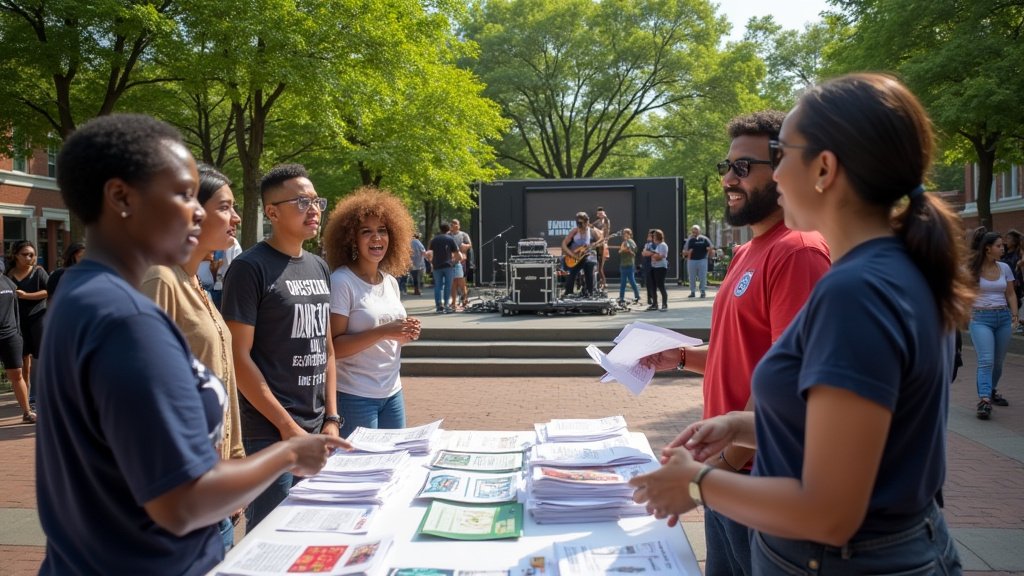
The grassroots advocacy landscape in Virginia is set to intensify this summer as Marijuana Justice, a prominent organization focused on drug policy reform, has officially announced a “Community Signing Day” event scheduled for August 26, 2026, in Richmond. The event, which aims to bridge the gap between legislative policy and public demand, is expected to draw activists, community leaders, and concerned citizens to discuss the immediate future of cannabis social equity and the critical need for direct community reinvestment programs.
The Social Equity Mandate
At the heart of the August 26 gathering is a fundamental push for equity within the legal cannabis marketplace. For years, Marijuana Justice has argued that the legalization of cannabis, while a progressive step for Virginia, has failed to adequately address the disproportionate harms caused by decades of prohibition, particularly in marginalized communities. The “Community Signing Day” is not merely a symbolic event; it serves as a platform for drafting and reviewing petitions and community-led policy proposals that the organization intends to present to state officials.
This initiative underscores a broader nationwide trend: as states move from medical to recreational frameworks, the focus of advocacy groups is shifting from simple legalization to the nuances of market participation. The organizers aim to highlight how tax revenue generated from cannabis sales should be specifically earmarked for programs that benefit communities most affected by the war on drugs. This includes funding for job training, housing stability, and entrepreneurial grants that are explicitly restricted to individuals from over-policed neighborhoods. By framing this as a “Signing Day,” the organizers intend to formalize public commitment, ensuring that their legislative demands are backed by a verified constituent base, which adds significant weight when approaching local and state representatives.
The Evolving Legislative Landscape
Virginia has navigated a complex and often turbulent path regarding cannabis regulation. While possession has been legalized, the commercial market remains a subject of intense debate, particularly regarding the Virginia Cannabis Control Authority’s role in licensing and regulation. Many advocates feel that the state has been slow to implement a market structure that prioritizes small, local, and equity-focused enterprises over large-scale corporate entities.
The upcoming event on August 26 will serve as a hub for analyzing the latest updates on these regulatory frameworks. Attendees can expect expert panels featuring legal scholars and policy analysts who will break down the current hurdles to equitable licensing. By bringing these experts directly into the community, Marijuana Justice is attempting to demystify the complex bureaucratic language that often obscures the legislative process from the average citizen. This democratization of information is crucial, as the organization believes that public pressure is the only mechanism that will force a shift toward a more inclusive and socially responsible cannabis industry in the Commonwealth.
Integrating Culture and Political Activism
One of the most distinct aspects of the Marijuana Justice event is the intentional integration of local culture. Recognizing that policy discussions can often feel alienating or overly academic, the organizers have invited Big Papa Beats to provide live music throughout the day. This is a strategic move to ensure that the event feels accessible and inviting to younger demographics and individuals who might typically be disengaged from political proceedings.
By blending a festival-like atmosphere with high-stakes policy debate, the organizers are creating a “Third Space” where advocacy becomes a community experience rather than a daunting chore. The inclusion of live music is symbolic of the holistic approach Marijuana Justice advocates for—treating cannabis not just as a commodity or a legal issue, but as a cultural facet of community life that deserves to be celebrated, regulated, and managed with the dignity of those it most impacts. The music serves to sustain energy during the long, detailed sessions of public testimony and policy drafting, reminding attendees that the goal is the betterment of their shared environment.
The Path Forward: Reinvestment and Renewal
As the event approaches, the focus is narrowing on the specifics of community reinvestment. The organizers are expected to push for a formalized “Community Benefit Agreement” model, which would require cannabis businesses to contribute a percentage of their revenue directly into a community-managed fund. The discussion will not be limited to abstract ideals; attendees will be presented with concrete proposals on how these funds could be utilized—ranging from school infrastructure improvements to direct support for legal defense funds for those still navigating historical drug-related convictions.
This specific event in Richmond serves as a litmus test for the effectiveness of localized grassroots organizing in 2026. If the turnout is strong and the proposed policy documents are robust, it could serve as a template for other municipalities across the state to follow. The ripple effect of such organized community action often takes time, but by establishing a firm date and a clear agenda, Marijuana Justice is forcing a conversation that legislators in Richmond will find increasingly difficult to ignore.
Anticipating Legislative Pushback
While the organizers are optimistic, they are also prepared for the legislative hurdles that lie ahead. The debate surrounding cannabis in Virginia is far from settled, with ongoing friction between fiscal conservatives concerned about market stability and social progressives demanding equity at all costs. The “Community Signing Day” provides a unique venue for these two viewpoints to be addressed, as it forces proponents of the status quo to reckon with the very real, very present demand for change. The organization is positioning this event not as an act of protest, but as an act of governance—an assertion of the community’s right to shape the laws that dictate their economic and social futures.