Introduction
The year 2025 marks a continuing evolution in home cannabis cultivation, offering enthusiasts a rewarding journey from seed to harvest. As legal landscapes adapt and knowledge sharing expands, this guide provides essential advice for beginners looking to cultivate cannabis responsibly and effectively. Whether indoors or outdoors, success hinges on understanding legalities, selecting the right strains, establishing a suitable growing environment, and mastering fundamental care techniques. This comprehensive overview will equip aspiring growers with the foundational knowledge needed for a successful home cultivation experience.
Navigating Legal Landscapes
Before embarking on your cannabis cultivation journey, it is crucial to understand and adhere to local laws. Legalization of cannabis for medical and recreational purposes varies significantly by state and region, and these laws often dictate specific rules for home growing. As of 2025, many states permit home cultivation, but often with strict limits on the number of plants allowed per household. For instance, some states allow up to six plants, while others have different allowances for mature versus immature plants. It is imperative to research your specific jurisdiction’s regulations regarding plant limits, licensing requirements, and any security measures needed to ensure compliance and avoid legal repercussions.
Choosing the Right Cannabis Strain
Selecting an appropriate cannabis strain is a critical first step for beginner growers. Strains are often categorized by their genetics (indica, sativa, or hybrid) and their suitability for different growing conditions and desired effects. For beginners, prioritizing easy-to-grow, pest-resistant, and resilient strains is advisable.
* Beginner-Friendly Strains: Strains like Blue Dream, White Widow, and Northern Lights are frequently recommended due to their manageable growth patterns and forgiving nature. These hybrids offer balanced effects and are often less prone to common cultivation issues.
* Climate Considerations: For outdoor cultivation, consider strains known for their resilience to varying weather conditions. For example, Durban Poison is noted for its hardiness in warmer climates and natural resistance to pests.
* Indoor vs. Outdoor: While many strains can be grown indoors or outdoors, some are better suited to specific environments. Autoflowering strains, which grow independently of light cycles, are excellent for small spaces and quick harvests, making them ideal for beginners.
Setting Up Your Growing Environment
Whether you choose indoor or outdoor cultivation, establishing the right environment is key. Each method has its advantages and challenges:
Indoor Cultivation
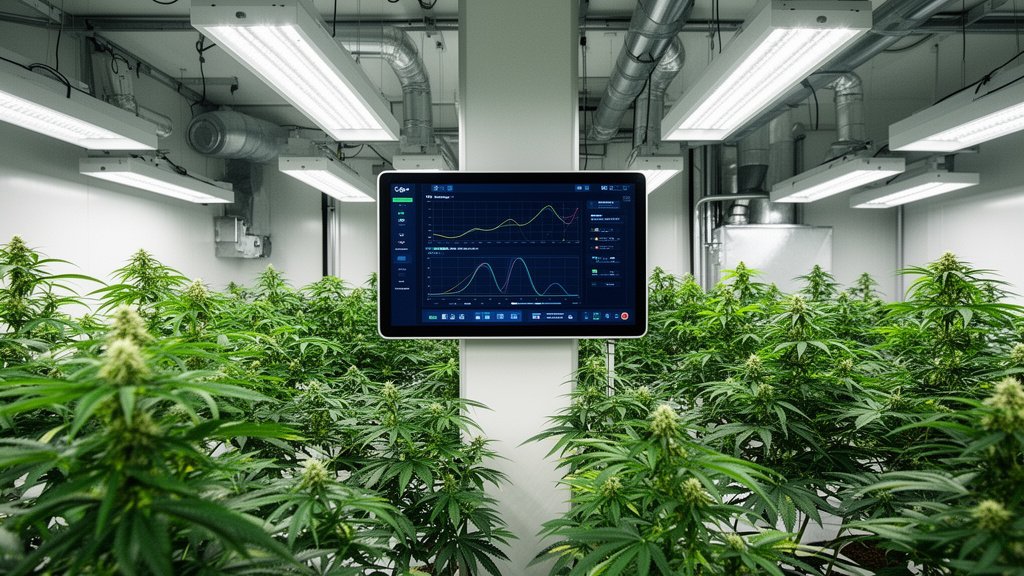
Indoor setups offer complete control over environmental factors like light, temperature, and humidity, which can be beneficial for beginners. Essential components include:
* Grow Space: This could range from a dedicated room to a portable grow tent. Ensure the space is light-proof, especially during the flowering stage.
* Lighting: Invest in appropriate grow lights (e.g., LED) that provide the necessary spectrum for plant growth. Timers can automate light cycles.
* Ventilation: A robust ventilation system is crucial for air circulation, temperature control, and preventing mold and pests. Exhaust fans, intake fans, and oscillating fans are important for maintaining optimal air exchange and humidity levels.
* Growing Medium: Soil is often the easiest medium for beginners. Hydroponic systems can offer faster growth but require more attention to detail. Ensure containers have adequate drainage.
Outdoor Cultivation
Outdoor growing leverages natural sunlight and can lead to larger plants and potentially higher yields. Key considerations include:
* Location: Select a spot that receives at least six hours of direct sunlight daily, is protected from harsh weather, and offers good drainage. Secluded areas can also help with discretion.
* Soil: Use well-aerated soil rich in organic matter. A soil test can help identify any deficiencies. High-quality potting soil or custom blends can be effective.
* Climate: Cannabis thrives in temperate climates (60-75°F). Extreme heat or cold can negatively impact growth and increase vulnerability to pests and diseases.
Essential Plant Care and Nutrition
Consistent care is vital for healthy cannabis plants. Key aspects include watering, nutrient management, and pH control.
Watering and Nutrients
A common beginner mistake is overwatering. Allow the soil to dry out between waterings to prevent root rot. Plants require different nutrient balances throughout their growth stages. Nitrogen (N), phosphorus (P), and potassium (K) are primary nutrients, with nitrogen being crucial during the vegetative stage and phosphorus and potassium more important during flowering.
Maintaining pH Levels
pH levels are critical for nutrient absorption. Cannabis plants can only absorb essential nutrients when the pH of the growing medium is within a specific range.
* Soil: Aim for a pH between 6.0 and 7.0.
* Hydroponics: The ideal range is slightly more acidic, between 5.5 and 6.5.
Regularly testing and adjusting the pH of your water or nutrient solution using pH meters and pH adjusters (“pH Up” or “pH Down”) is essential.
Pruning and Training Techniques
Training techniques manipulate plant structure to improve light exposure, airflow, and ultimately, yield.
* Low-Stress Training (LST): This involves gently bending and tying down branches to create a more even canopy and encourage multiple bud sites. It’s a forgiving method suitable for beginners.
* Topping: This technique involves cutting off the main growing tip, which encourages the plant to produce two main colas instead of one, increasing yield potential. It’s best performed during the vegetative stage.
* Lollipopping/Defoliation: Removing lower leaves and branches that receive little light helps direct energy to the upper buds and improves airflow.
Pest and Disease Management
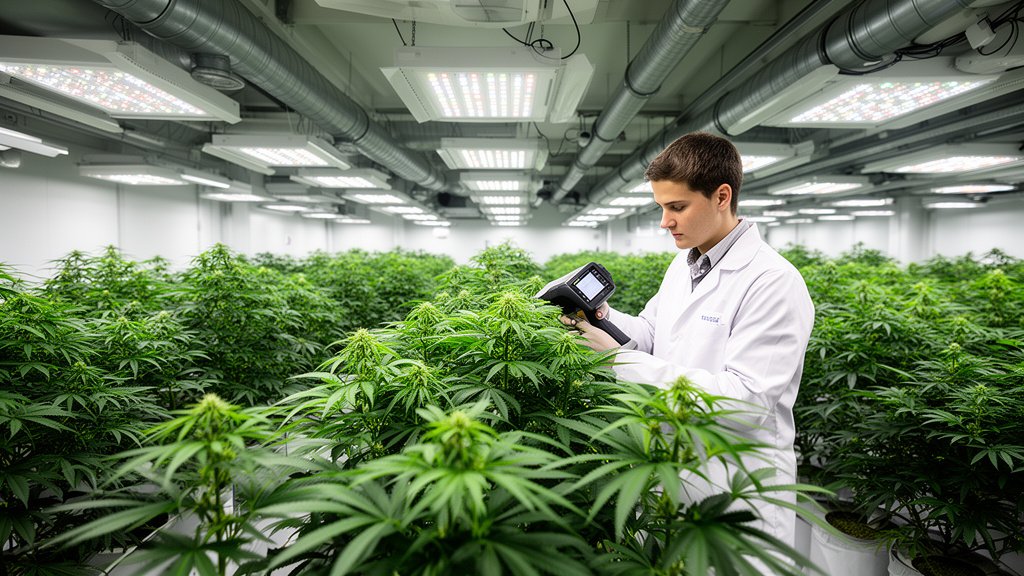
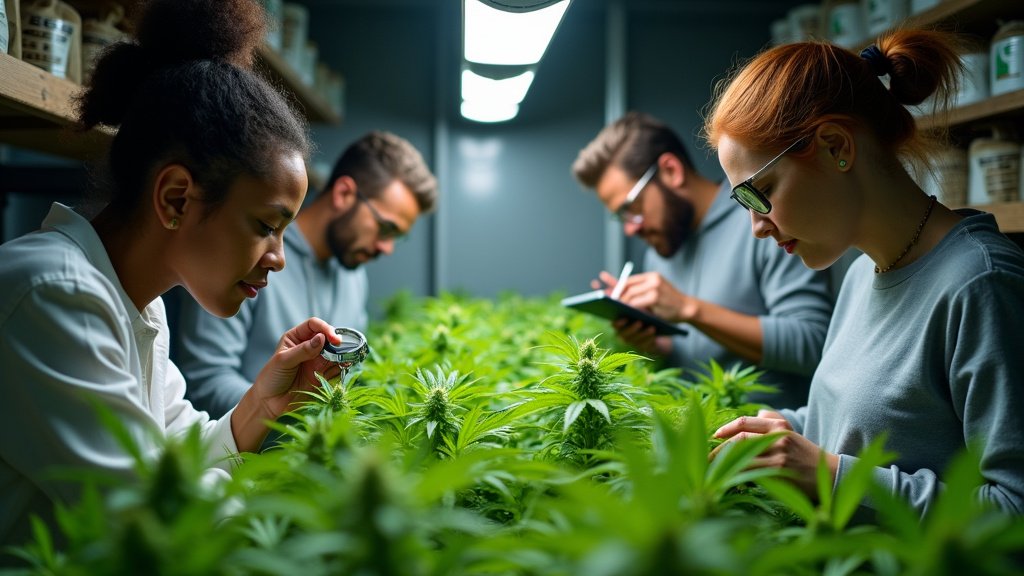
Vigilance is key to preventing and managing pests and diseases. Common issues include spider mites, aphids, fungus gnats, powdery mildew, and bud rot. Regular inspection of plants, maintaining good hygiene in the grow space, and ensuring proper airflow and humidity control are crucial preventative measures. Early detection allows for timely intervention, using methods such as neem oil, insecticidal soaps, or beneficial insects.
Conclusion
Home cannabis cultivation in 2025 offers a rewarding experience for beginners willing to invest time in learning and preparation. By understanding legal requirements, selecting suitable strains, optimizing growing environments, providing consistent care, and employing basic training and pest management techniques, growers can achieve successful and satisfying harvests. This guide serves as a foundational resource, encouraging a patient and attentive approach to cultivating your own cannabis.