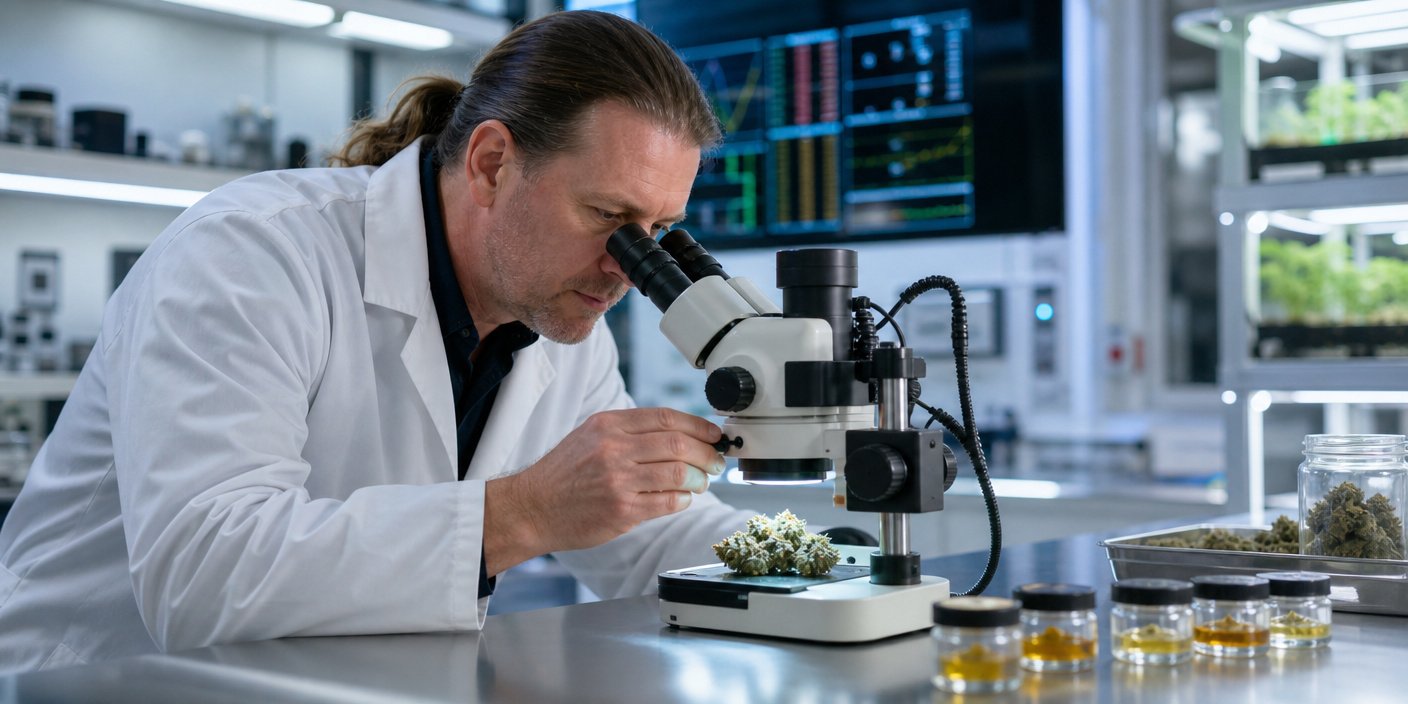
A significant new study published on November 16, 2025, has cast a stark light on the escalating occupational health crisis within the burgeoning cannabis industry, revealing that workers are developing serious job-related asthma, with some cases tragically leading to fatalities. The research, which examined reported instances across Michigan, California, Massachusetts, and Washington, identified 30 cases of work-related asthma (WRA) linked to employment in the sector, including two deaths.
The Alarming Study Findings
The comprehensive study, published in the Journal of Occupational and Environmental Medicine, analyzed data collected from state-based surveillance systems up through 2023. It documented a concerning prevalence of respiratory ailments among individuals working in cannabis cultivation and processing. Of the 30 identified cases, 13 were classified as new-onset asthma—meaning the workers had no prior history of the condition before entering the industry—while 12 were cases of work-aggravated asthma, where pre-existing conditions were worsened by workplace exposures. Researchers suggest that the true number of affected workers may be higher, as underreporting is a significant issue within this field.
Kenneth Rosenman, a medical researcher at Michigan State University (MSU) and a co-author of the study, highlighted the critical nature of these findings. “If somebody’s becoming allergic and having their asthma from exposure to something, you want to get the person away from that substance,” Rosenman stated, emphasizing the need for prompt action when symptoms arise. Tragically, two workers lost their lives due to asthma-related complications identified in the study, with one fatality occurring in California and another in Massachusetts.
Identifying the Culprits: Dust, Disinfectants, and Other Hazards
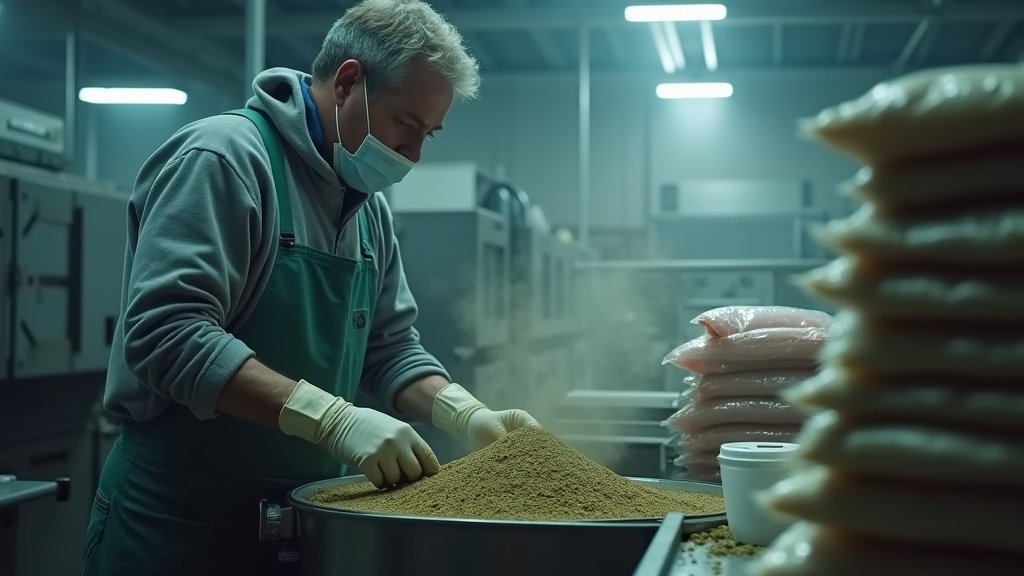
The research pinpoints several key contributors to the development of occupational asthma in cannabis facilities. Foremost among these are the fine particles of cannabis dust generated during common tasks like harvesting, trimming, grinding, and packaging. This plant material itself acts as an allergen and an irritant, with studies noting that nearly 95% of reported plant material exposures involved cannabis dust. Beyond the plant itself, the disinfectants used to maintain sterile growing environments have also been identified as significant allergens.
Further compounding the risk are other airborne substances prevalent in cultivation settings, including mold, pesticides, volatile organic compounds (VOCs), ozone, and various cleaning agents. These elements can act as asthmagens or irritants, capable of triggering new respiratory conditions or exacerbating existing ones. The indoor cultivation environment, often characterized by specific temperature and humidity levels, can foster mold growth, adding another layer of biological hazard.
A Growing Concern Across States
While the recent study focused on Michigan, California, Massachusetts, and Washington, the implications are relevant nationwide as the cannabis industry experiences rapid, trending growth. Michigan, for instance, ranked fifth nationally in cannabis production in 2022, underscoring the scale of its industry and workforce. The findings from states with established legal markets serve as an urgent news bulletin for other regions where the industry is expanding.
Experts note that the rapid expansion of the cannabis workforce, coupled with a historical lack of federal oversight due to its Schedule I drug status, has created a challenging landscape for occupational health research and regulation. This limited regulatory framework means that a multifaceted approach involving employers, workers, and healthcare providers is crucial for safeguarding health.
Recommendations for a Safer Workplace
To combat the rising tide of work-related asthma, researchers and health organizations are calling for significant improvements in workplace conditions within the cannabis industry. A key recommendation involves implementing a hierarchy of controls to minimize worker exposure.
This includes engineering controls such as enhanced ventilation systems and dust-capturing equipment on processing machinery. Good housekeeping practices, like using HEPA vacuums instead of dry sweeping, are also vital for reducing airborne contaminants. Employers are advised to use disinfectants that are less likely to cause allergic reactions and to carefully manage indoor humidity to prevent mold growth.
Crucially, the implementation of robust medical surveillance programs is recommended. These programs would involve regular health screenings to detect early signs of respiratory issues or allergies, allowing for prompt intervention. Training workers on workplace hazards and potential health risks is also a fundamental step. While personal protective equipment (PPE) can offer some protection, it is emphasized that it may not be sufficient for individuals already experiencing symptoms or allergies.
Conclusion
The emerging news of cannabis workers developing job-related asthma, and even fatalities, underscores the pressing need for the industry to prioritize worker safety. As this sector continues its rapid expansion, proactive implementation of recommended safety protocols, from dust control to comprehensive medical surveillance, is essential to prevent further illness and ensure that the health of the workforce is not compromised by the very industry that employs them.