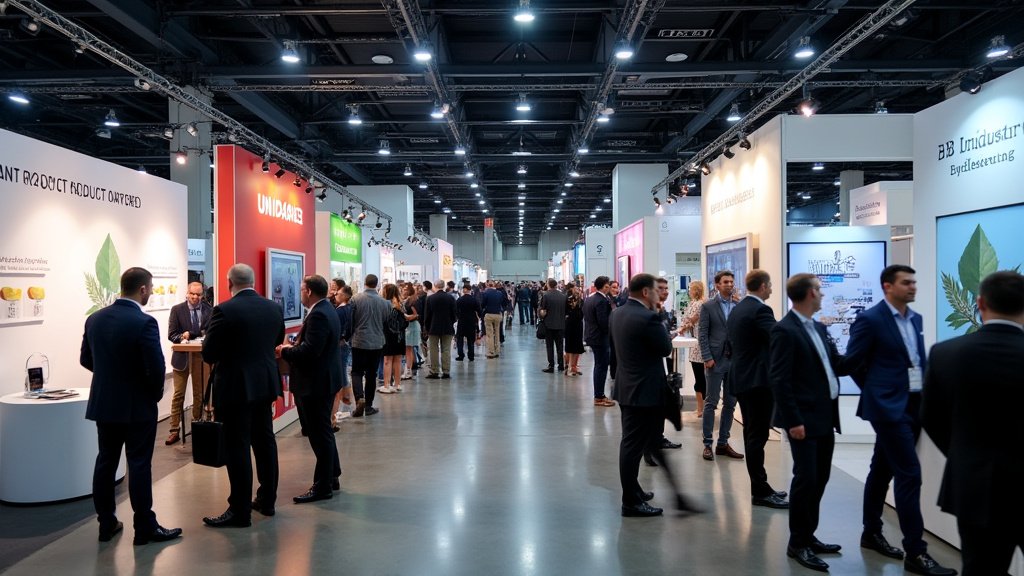
As New York City gears up for 4/20 2026, the Ultimate Guide to Cannabis Culture in NYC reveals a market that has matured significantly since the state’s legalization rollout. What was once a day defined by counter-culture protest and underground gatherings has shifted into a mainstream, regulated experience, mirroring the city’s broader economic and social recalibration. Manhattan, in particular, now serves as a central hub where licensed dispensaries, social equity initiatives, and high-end consumption lounges intersect to redefine what it means to participate in this holiday in the world’s most iconic metropolis.
The Shift Toward Regulated Retail
The most notable change for this year’s 4/20 festivities is the widespread availability of legal, taxed, and lab-tested products across Manhattan. In previous years, the consumer experience was often fragmented, relying on a patchwork of legacy operators and newly forming legal entities. Today, the landscape is defined by professionalized storefronts that prioritize consumer education and safety. Authorities are focusing heavily on curbing illicit operations while fostering an environment where small, equity-focused businesses can thrive alongside larger corporate players. This shift is not merely regulatory; it is a cultural pivot that aligns cannabis consumption with the luxury and lifestyle sectors that Manhattan is famous for.
Integrating Cannabis into NYC Lifestyle
Beyond retail, the 2026 culture is increasingly integrating with the hospitality industry. Licensed social consumption lounges are becoming a focal point for 4/20 plans, offering controlled, sophisticated spaces for enthusiasts to gather. These venues represent the next frontier of NYC’s cannabis journey, moving the act of consumption from public street corners into refined, private environments that respect local ordinances while accommodating the public’s demand. Culinary collaborations, where cannabis-infused experiences are paired with gourmet food, are also emerging as a significant trend, showcasing the city’s unique capacity to blend high-end dining with emerging industries.
Navigating the Legal and Community Landscape
Despite the progress, the city remains cautious. Public consumption laws remain in effect, and the NYPD has signaled a continued emphasis on managing public crowds, particularly in popular parks and plazas that have traditionally served as meeting points for 4/20 celebrations. Industry experts and community leaders are pushing a message of responsible consumption and local engagement. This year’s guide highlights the importance of supporting local, licensed retailers who have navigated the complex licensing process, as these businesses are the ones investing back into the neighborhoods that were most impacted by previous prohibition-era policies.
Economic Impact and Future Growth
Economically, the industry in Manhattan is contributing significantly to the city’s tax base, with revenues from cannabis sales being earmarked for infrastructure, education, and social equity programs. As the market stabilizes, the focus is shifting toward long-term sustainability. Investors and entrepreneurs are closely watching how the 2026 holiday performs, as it serves as a litmus test for market saturation and consumer appetite. The goal, according to city officials, is to build a robust, inclusive industry that benefits the city at large while honoring the historic roots of the cannabis movement in New York.
FAQ: People Also Ask
Q: Is public cannabis consumption legal in NYC on 4/20?
A: No. While cannabis is legal for adults in New York, public consumption remains prohibited in the same manner as alcohol. It is best to consume in private residences or designated, licensed consumption lounges.
Q: Where can I find a list of licensed dispensaries in Manhattan?
A: The best resource is the official New York State Office of Cannabis Management website, which maintains an up-to-date, searchable map of all licensed retailers.
Q: What is being done to support social equity in the NYC cannabis industry?
A: New York has implemented a CAURD (Conditional Adult-Use Retail Dispensary) program, which prioritizes licensing for individuals with prior cannabis-related convictions to ensure they are the first to benefit from the new legal market.