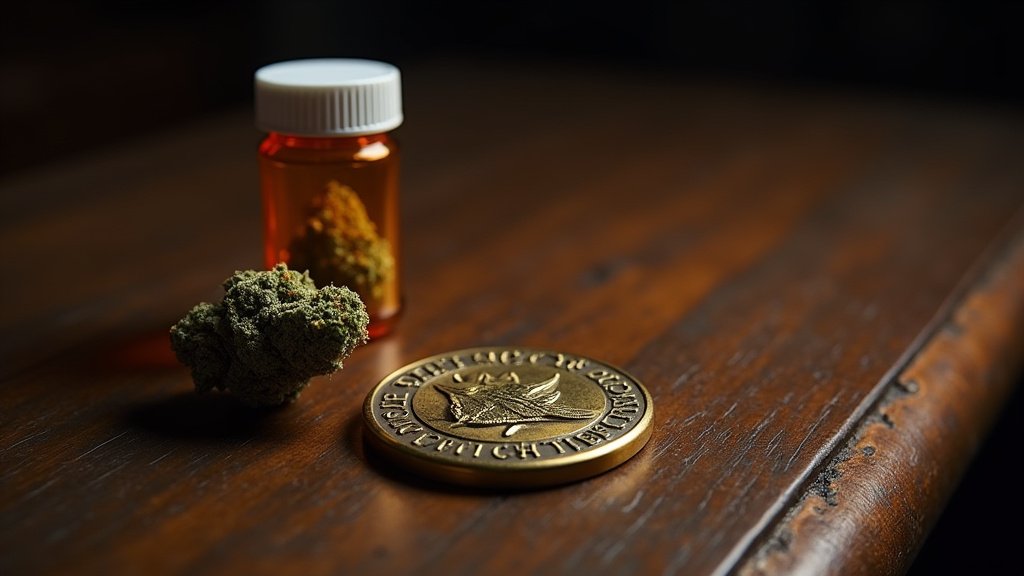
In a decisive move that marks the most significant alteration in federal drug policy since the 1970s, the Trump administration has officially reclassified state-licensed medical marijuana and FDA-approved cannabis products from Schedule I to Schedule III under the Controlled Substances Act. This action, spearheaded by Acting Attorney General Todd Blanche, delivers on the directives outlined in President Donald Trump’s December 2025 executive order, aiming to expand access to medical research and modernize the federal government’s approach to cannabis. While this does not constitute full federal legalization or decriminalization for recreational use, the policy shift fundamentally changes the regulatory landscape for medical cannabis businesses and researchers across the country.
Key Highlights
- Immediate Reclassification: State-licensed medical marijuana and FDA-approved cannabis products are now Schedule III substances, removing them from the most restrictive category (Schedule I).
- 280E Tax Relief: The move allows state-licensed medical cannabis operators to deduct standard business expenses, eliminating a major financial hurdle caused by the tax code section 280E.
- Scope Limitations: Recreational, adult-use cannabis remains in Schedule I for the time being, pending further administrative hearings.
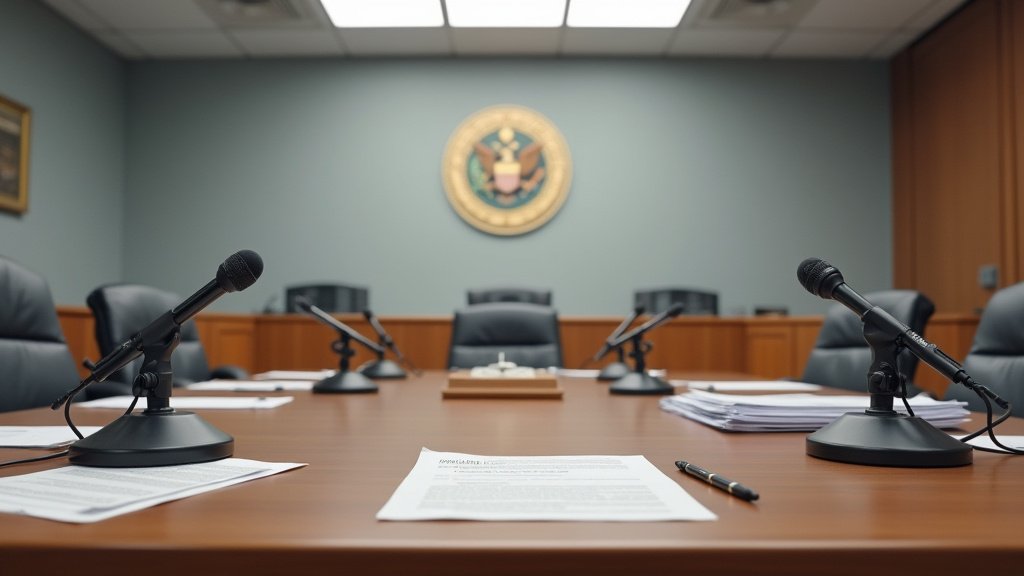
- Expedited Process: An administrative hearing is set for June 29, 2026, to evaluate the potential for broader rescheduling of cannabis at the federal level.
A New Era for Medical Cannabis Policy
The decision to move medical cannabis into the Schedule III category represents a pragmatic pivot for the federal government. For decades, the Schedule I classification—which categorized marijuana alongside heroin and LSD—has been a source of intense debate, preventing robust clinical research and creating an untenable environment for state-regulated businesses. By shifting the classification, the Department of Justice (DOJ) is acknowledging that cannabis possesses legitimate medical utility and a lower potential for abuse than previously codified.
The Mechanics of the Schedule III Shift
To understand the significance of this change, one must look at the specific legal definitions within the Controlled Substances Act. Schedule I drugs are defined as having no currently accepted medical use and a high potential for abuse. By moving medical marijuana—specifically products approved by the FDA and those operating under state-licensed medical frameworks—to Schedule III, the government is effectively aligning federal policy with the reality of state-level operations. This does not instantly legalize the plant on a national scale, but it creates a federal recognition of its medicinal status. It is a targeted, surgical intervention rather than a sweeping legislative overhaul.
For businesses, this is a watershed moment. Since the inception of modern state-legal cannabis markets, companies have been hamstrung by Internal Revenue Code section 280E, which prohibits businesses trafficking in Schedule I or II substances from taking standard tax deductions. This has caused effective tax rates for many cannabis companies to skyrocket, often reaching 70% or higher. With the reclassification, these businesses can now operate with the same financial standing as other legitimate pharmaceutical and agricultural industries.
The Research Frontier
One of the most touted benefits of this shift is the potential for research. Historically, researchers have struggled to obtain the necessary approvals and high-quality materials to conduct large-scale, rigorous studies on the efficacy of cannabis. The Schedule I barrier created a “Catch-22” where research was needed to prove medical efficacy, but the status of the drug made that research nearly impossible to conduct. With the Schedule III designation, the barriers to entry for clinical trials are significantly lowered. The FDA, working in concert with the DOJ, can now foster an environment where clinical data on cannabinoids can be gathered, analyzed, and used to inform future medical guidelines. This transition is not just about policy; it is about evidence-based healthcare.
The Regulatory Nuance: What Stays the Same
It is critical to note what this order does not do. The administration has been careful to delineate between “state-licensed medical” and “adult-use recreational” cannabis. The recreational markets, which exist in many states, do not currently benefit from this rescheduling. They remain in the Schedule I category, operating in a precarious legal position that the June 29 hearing aims to address. Critics and industry advocates argue that this creates a bifurcated system. Companies that serve both medical and recreational markets may find themselves in a complex compliance environment, needing to potentially segregate their business activities to qualify for tax deductions. Legal analysts suggest this will lead to a wave of sophisticated corporate restructuring, as companies scramble to ensure their medical operations are compliant with the new Schedule III framework while awaiting further action on the recreational front.
Future Outlook: The June 29 Hearing
The scheduled hearing on June 29, 2026, is now the focal point for the cannabis industry. It represents the next, potentially final hurdle in the broader debate over federal prohibition. If the process follows the trajectory set by this initial order, the administration is positioning itself to evaluate whether the entire cannabis plant—beyond just medical use—should be moved to Schedule III. This would effectively de-escalate the federal war on cannabis, though it would stop short of full legalization or removing cannabis from the Controlled Substances Act entirely.
For the Trump administration, this is a strategic move that balances conservative concerns over public safety and drug abuse with the realities of a multi-billion dollar industry that is increasingly accepted by the American public. By moving incrementally, the administration maintains strict federal controls while removing the most egregious bottlenecks to commerce and research.
FAQ: People Also Ask
Q: Does this make recreational marijuana legal in the United States?
A: No. The order specifically applies only to FDA-approved drug products containing marijuana and marijuana subject to a qualifying state-issued medical license. Recreational (adult-use) cannabis remains classified as a Schedule I substance under federal law.
Q: How does this impact my taxes if I own a cannabis business?
A: If your business operates under a state-issued medical marijuana license, this move allows you to deduct ordinary business expenses for the first time by removing the restrictions imposed by IRS section 280E, which applies only to Schedule I and II controlled substances.
Q: Why was the date June 29 chosen for the next hearing?
A: The Justice Department has set this date as part of an expedited administrative process to fulfill the promise of further evaluating the status of marijuana, ensuring that the government has a pathway to address the broader rescheduling of cannabis in a legally compliant manner.
Q: What is the difference between Schedule I and Schedule III?
A: Schedule I is for drugs with a high potential for abuse and no accepted medical use (e.g., heroin). Schedule III is for substances with a moderate-to-low potential for physical and psychological dependence, recognizing that these drugs have legitimate medical uses (e.g., some prescription painkillers or anabolic steroids).