The Missouri Department of Health and Senior Services (DHSS) has officially initiated a pivotal step in the state’s cannabis evolution, filing proposed rules to establish dedicated marijuana research facilities. This development, outlined in the recently introduced 19 CSR 100-1.200, signals a move beyond mere retail and cultivation, aiming to cement Missouri’s position as a hub for clinical evidence and pharmacological study within the cannabis industry.
The Shift Toward Scientific Rigor
For years, the cannabis industry has been criticized for operating in a vacuum of anecdotal evidence, often disconnected from the rigorous clinical trials that govern other pharmaceutical products. By introducing a specific licensure tier for research, the Division of Cannabis Regulation (DCR) is creating a framework that encourages scientists and medical professionals to gather empirical data on dosing, side effects, and therapeutic efficacy. This is not merely an expansion of the license types available; it is an effort to professionalize the sector and align it with medical-grade research standards.
The Mechanics of the Proposed Rules
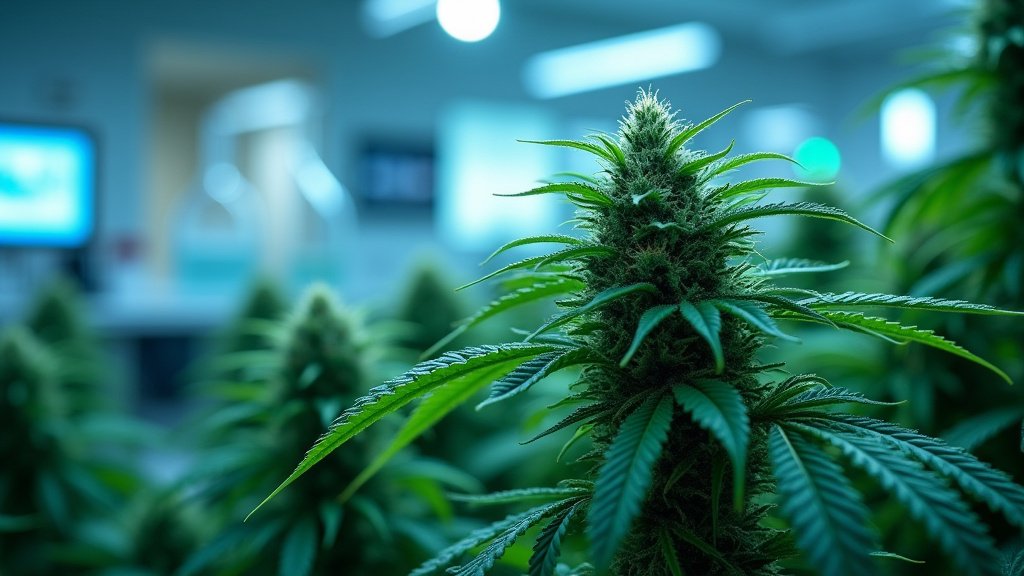
The proposed regulations, which are currently awaiting a public comment period scheduled for May 2026, detail specific parameters for these new facilities. Under the draft rules, a licensed marijuana research facility would be permitted to maintain up to 30,000 square feet of “flowering plant canopy space.” This allows for a significant scale of operations, enabling researchers to cultivate enough material to conduct meaningful, longitudinal studies.
Critically, the rules prohibit these research entities from engaging in direct-to-consumer sales. The “final marijuana product” cannot be sold to the public. Instead, the focus remains strictly on scientific advancement. However, the proposal does allow for collaboration: research facilities may sell or donate products to other research licensees, or transfer seeds and clones to state-licensed cultivation facilities, creating a specialized supply chain that remains insulated from the recreational market.
Human Subjects and Ethical Oversight
A major component of the proposal addresses the ethics of human research. The draft regulations stipulate that human subjects must be at least 21 years of age, with a narrow exception for individuals under 21 who possess a valid medical marijuana patient identification card. Furthermore, all research proposals, whether involving human or animal subjects, will face stringent review and approval from DHSS officials before any work can commence. This creates a bureaucratic gatekeeper that ensures projects are not only scientifically valid but also ethically sound, providing a necessary layer of protection for participants.
Integrating with Existing Infrastructure
Perhaps the most practical aspect of the proposal is the facility requirements. A research licensee will be permitted to share space with existing cultivation, manufacturing, testing, or dispensary facilities. This “co-location” strategy is designed to lower the barrier to entry for research. By embedding research operations within existing infrastructure—those already fully compliant with the safety, security, and tracking protocols mandated by Article 14 of the Missouri Constitution—the state is making it easier for industry incumbents to pivot toward R&D without the massive overhead of constructing entirely new, standalone facilities from the ground up.
The Broader Economic and Clinical Landscape
This move by Missouri is poised to have lasting impacts on the state’s economy and its healthcare landscape.
1. Clinical Legitimacy: By generating peer-reviewed, state-regulated data, Missouri is providing clinicians with the tools they need to make evidence-based recommendations. Currently, many doctors are hesitant to recommend cannabis due to a lack of precise dosing guidelines; this initiative directly addresses that void.
2. Biotech Attraction: The establishment of dedicated research facilities could attract biotech firms and pharmaceutical researchers to the Show-Me State. This shift could transform Missouri from a retail-centric cannabis market into a research-centric one, attracting federal grant money and private venture capital that would otherwise look elsewhere.
3. Long-term Regulatory Evolution: This initiative reflects a broader trend of mature cannabis markets moving away from basic legalization and toward sophisticated regulatory frameworks. It demonstrates that the state is willing to treat cannabis as a legitimate medicinal product, capable of rigorous scientific validation.
As the public comment period approaches in May, industry stakeholders, patient advocacy groups, and the scientific community are expected to closely scrutinize the language of 19 CSR 100-1.200. The ultimate goal is a system that protects public safety while unshackling the scientific potential of the cannabis plant, positioning Missouri at the forefront of the next wave of drug discovery.
FAQ: People Also Ask
Can anyone apply for a marijuana research license in Missouri?
The proposed rule creates a new license category. While the specific application details will be finalized following the public comment period, interested parties will need to meet stringent state requirements, including passing security background checks and submitting a detailed research plan that must be approved by the DHSS.
Are these facilities allowed to sell marijuana to the public?
No. The proposed rules strictly prohibit research facilities from selling “final marijuana product” to consumers. Their output is restricted to scientific research, and they may only transfer plant material or products to other research licensees or licensed cultivation facilities.
How will research be overseen?
All research proposals must undergo review and approval by the Missouri Department of Health and Senior Services (DHSS) before they can begin. Additionally, there is a proposed independent committee to oversee research involving animal subjects, ensuring ethical standards are upheld throughout the study process.