The medical cannabis industry is experiencing a technological surge as growers increasingly adopt advanced equipment and supplies to optimize cultivation, enhance product quality, and ensure regulatory compliance. From sophisticated environmental control systems to cutting-edge extraction technologies, innovation is rapidly transforming how medical cannabis is produced.
Key Highlights:
- Environmental control systems are crucial for maintaining optimal growth conditions.
- Advanced extraction equipment is improving the efficiency and purity of cannabis concentrates.
- Automation is reducing labor costs and increasing operational consistency.
- Data analytics are providing growers with actionable insights for yield improvement and problem identification.
- Regulatory compliance is a major driver for the adoption of new technologies.
The Evolving Landscape of Medical Cannabis Cultivation Technology
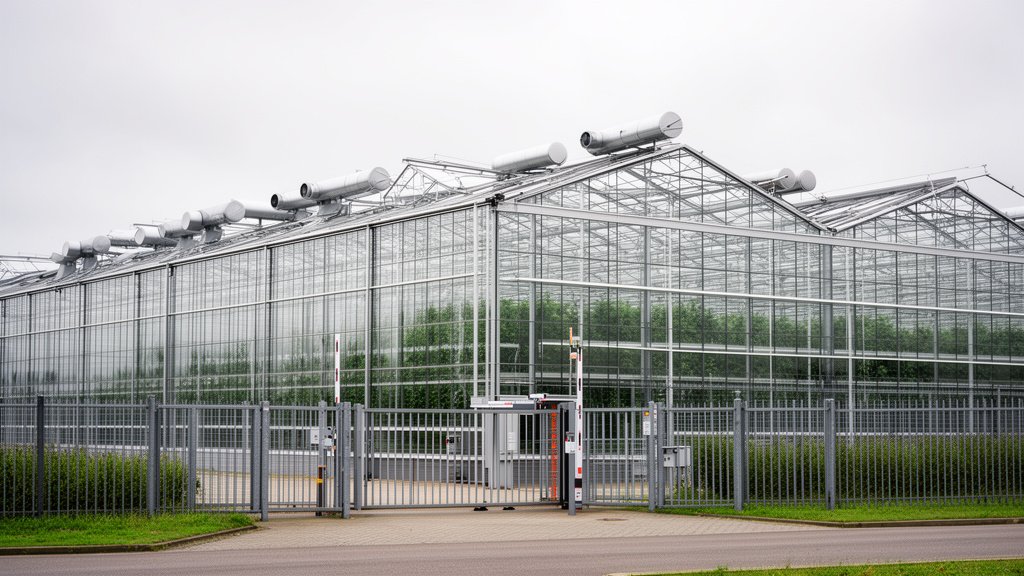
The cultivation of medical cannabis has moved far beyond rudimentary methods, propelled by a demand for high-purity, consistent, and potent products. Growers are investing heavily in a range of specialized equipment designed to create precise growing environments and streamline the entire production process. One of the most significant areas of technological advancement is in environmental control. Sophisticated systems now allow for granular management of temperature, humidity, CO2 levels, and light spectrums. These systems, often integrated with sensors and automated feedback loops, ensure that each stage of the plant’s life cycle is nurtured under ideal conditions, maximizing cannabinoid and terpene profiles. For instance, advanced LED lighting solutions offer tunable spectrums that can be adjusted to promote specific growth phases, from vegetative to flowering, leading to higher yields and more desirable chemical compositions.
Environmental Controls: The Foundation of Quality
Automated climate control is no longer a luxury but a necessity in large-scale medical cannabis operations. These systems, such as those offered by companies like Priva or Argus Controls, use a network of sensors to monitor every critical aspect of the grow environment. This data is then fed into a central control unit that adjusts ventilation, heating, cooling, and irrigation in real-time. The benefit is twofold: it ensures a stable and optimal environment for plant health and growth, and it significantly reduces the risk of mold, mildew, and other environmental stressors that can decimate a crop. The precision offered by these systems allows growers to replicate successful conditions, ensuring consistency across harvests. This consistency is paramount for medical cannabis products, where patients rely on predictable potency and effects.
Extraction and Processing Innovations
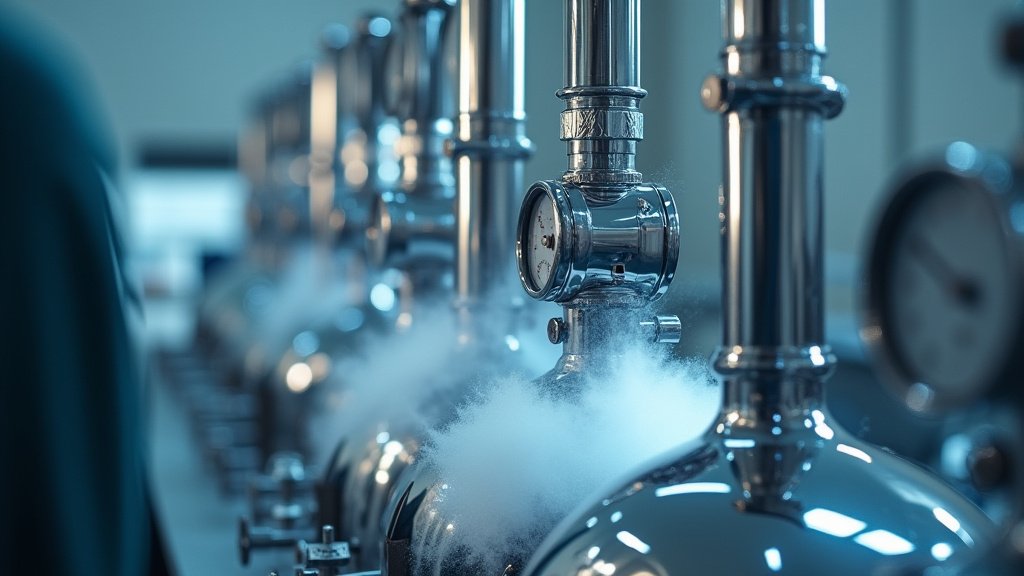
Beyond cultivation, the processing of cannabis into oils, tinctures, edibles, and other medicinal products is also undergoing a technological revolution. Supercritical CO2 extraction, for example, has become a gold standard for producing high-purity extracts with minimal residual solvents. This method uses carbon dioxide under high pressure and specific temperatures to selectively extract cannabinoids and terpenes, leaving behind unwanted plant material. Companies like Apeks Supercritical and Eden Labs are at the forefront of this technology, offering systems that are both efficient and safe. Other methods, such as hydrocarbon extraction and ethanol extraction, are also being refined with advanced equipment to improve yield, purity, and safety. The focus is on creating clean, potent, and reliable medical products that meet stringent pharmaceutical standards.
Automation and Data Analytics: Driving Efficiency
Labor represents a significant cost in cannabis cultivation. To combat this, automation is being integrated across various stages of the process. Robotic systems are being developed for tasks like planting, trimming, and even harvesting. While full automation is still evolving, partial automation in areas like nutrient delivery and environmental monitoring is already commonplace. Furthermore, the proliferation of sensors and data logging capabilities is generating vast amounts of information. Growers are increasingly leveraging data analytics platforms to interpret this data. By analyzing metrics such as light exposure, water usage, nutrient uptake, and environmental fluctuations, they can identify patterns, predict potential issues, and optimize their growing strategies for maximum yield and quality. This data-driven approach allows for continuous improvement and more predictable outcomes.
The Role of Specialized Supplies
Alongside advanced equipment, the market for specialized cannabis supplies is also booming. This includes everything from proprietary nutrient blends designed for specific strains and growth stages to advanced growing mediums like hydroponic systems and aeroponics. The development of substrate-free growing techniques, for instance, allows for more precise control over nutrient delivery and root zone environment, often leading to faster growth and higher yields. Specialized packaging and laboratory testing equipment are also critical for ensuring product safety, potency, and compliance with evolving regulations. Companies are developing tamper-evident packaging, child-resistant designs, and advanced analytical instruments for testing pesticides, heavy metals, and cannabinoid content.
FAQ: People Also Ask
What are the most important environmental factors for growing medical cannabis?
The most critical environmental factors include precise control over temperature, humidity, light intensity and spectrum, CO2 levels, and airflow. Maintaining these within optimal ranges for each growth stage is essential for plant health, cannabinoid production, and terpene development.
How does CO2 extraction differ from other cannabis extraction methods?
Supercritical CO2 extraction uses pressurized carbon dioxide as a solvent to extract cannabinoids and terpenes. It is favored for its safety (CO2 is non-flammable), efficiency, and ability to produce a clean extract with minimal residual solvents, as the CO2 returns to a gaseous state after extraction. Other methods like hydrocarbon extraction use flammable solvents, and ethanol extraction can sometimes co-extract chlorophyll and other unwanted compounds.
What is the role of automation in the cannabis industry?
Automation plays a key role in reducing labor costs, increasing operational efficiency, ensuring consistency in cultivation and processing, and minimizing human error. It ranges from automated climate control and irrigation systems to robotic assistance in tasks like planting, trimming, and packaging.
Why is data analytics important for cannabis growers?
Data analytics allows growers to make informed decisions by analyzing vast amounts of environmental and plant growth data. It helps in optimizing growing conditions, predicting yields, identifying potential issues early, and improving overall crop quality and consistency, leading to a more scientific and predictable cultivation process.
What are the latest trends in cannabis cultivation technology?
Latest trends include the increased use of AI and machine learning for predictive analytics, advanced LED lighting with tunable spectrums, sophisticated environmental control systems, automation in harvesting and processing, and the development of specialized nutrient solutions and growing mediums for optimized plant growth.