Unlock impressive yields in your indoor garden with these essential strategies for cultivating bigger, more potent buds. This guide focuses on optimizing key environmental factors and feeding techniques to maximize plant potential.
- Optimize lighting spectrum and intensity.
- Master nutrient ratios and feeding schedules.
- Control humidity and temperature precisely.
- Implement proper pruning and training techniques.
Maximizing Indoor Bud Development
Achieving substantial bud growth indoors requires a meticulous approach to plant care, focusing on the interplay between genetics, environment, and nutrition. The foundational elements for success lie in providing the optimal conditions for photosynthesis and nutrient uptake, directly influencing the plant’s ability to produce dense, resinous flowers. Understanding the plant’s life cycle and tailoring your interventions accordingly is paramount. From the initial vegetative stage through to the flowering phase, each stage presents unique demands that must be met for peak performance. This includes careful selection of strains known for their yielding potential and adaptability to indoor environments. The goal is to mimic natural conditions as closely as possible while enhancing specific parameters that promote vigorous growth and robust bud formation.
Lighting: The Engine of Growth
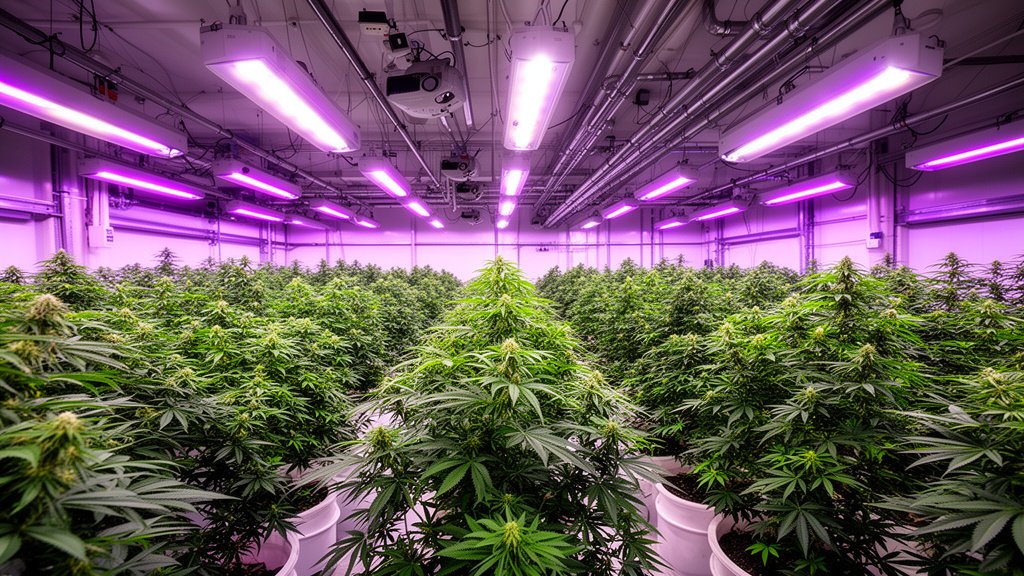
Lighting is arguably the most critical factor in indoor cultivation. The intensity, spectrum, and duration of light directly impact a plant’s ability to photosynthesize, the process that fuels all growth, including bud development. High-intensity discharge (HID) lights, such as Metal Halide (MH) for vegetative growth and High-Pressure Sodium (HPS) for flowering, have long been industry standards. However, Light Emitting Diode (LED) grow lights have rapidly advanced, offering greater efficiency, customizable spectrums, and reduced heat output. It is crucial to position lights at the correct distance to avoid light burn while ensuring adequate penetration to lower bud sites. Light deprivation techniques are also employed by some growers to force earlier flowering and manipulate the plant’s photoperiod, signaling the transition from vegetative growth to bloom production.
Nutrition: Fueling the Bloom
Plants require a precise balance of macronutrients (nitrogen, phosphorus, potassium) and micronutrients (calcium, magnesium, sulfur, and trace elements) to thrive. During the vegetative stage, a higher nitrogen content is beneficial for foliage growth. As the plant transitions into flowering, the demand shifts towards phosphorus and potassium, which are crucial for bud formation, density, and resin production. Overfeeding or underfeeding can both lead to deficiencies or toxicities, stunting growth and impacting bud quality. Employing a schedule that gradually adjusts nutrient ratios and concentrations as the plant progresses through its flowering cycle is essential. Utilizing high-quality, cannabis-specific nutrient lines can simplify this process, often providing formulations designed for different growth stages. Flushing the medium with plain water in the final weeks before harvest helps remove residual salts, improving the taste and smoothness of the final product.
Environmental Control: The Unsung Hero
Maintaining the correct environmental conditions is vital for optimal plant health and bud development. Temperature and humidity play significant roles. Ideal temperatures typically range from 70-85°F (21-29°C) during the day and slightly cooler at night. Humidity levels should ideally be between 40-50% during the flowering stage to prevent mold and mildew while promoting resin production. Adequate airflow is also crucial; oscillating fans help strengthen stems and prevent stagnant air pockets where pests and diseases can thrive. Carbon dioxide (CO2) supplementation, when combined with optimal lighting and nutrient levels, can further enhance photosynthetic rates and accelerate growth, leading to larger yields. Proper ventilation systems are necessary to manage temperature, humidity, and provide fresh air exchange.
Training and Pruning: Shaping for Success
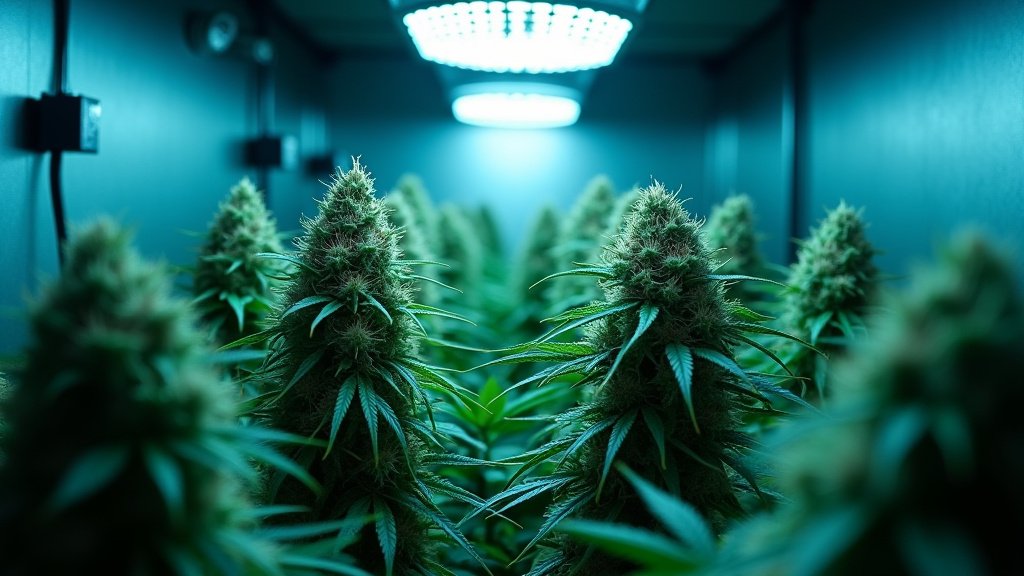
Techniques like Low-Stress Training (LST), High-Stress Training (HST), topping, and defoliation are employed to manage plant structure and maximize light exposure to bud sites. LST involves gently bending and tying down branches to create an even canopy, ensuring all budding areas receive direct light. HST, such as super cropping, intentionally stresses branches to encourage bushier growth. Topping involves removing the main apical bud to promote the development of multiple main colas. Defoliation, the strategic removal of fan leaves, improves light penetration and airflow to lower branches. These practices, when applied thoughtfully, can significantly increase the density and size of your indoor harvest.
FAQ: People Also Ask
What is the best light for growing bigger buds indoors?
High-intensity LED grow lights are currently considered among the best options due to their efficiency, customizable spectrums, and lower heat output compared to traditional HID lights. Ensuring sufficient intensity and appropriate spectrums for the flowering stage is key to maximizing bud size.
How often should I feed my plants for bigger buds?
Feeding frequency depends on the medium, strain, and growth stage. Generally, a consistent feeding schedule adjusted for flowering stages, often every 2-3 watering cycles with nutrients, is recommended. Always monitor your plants for signs of nutrient deficiencies or burn.
What is the ideal temperature and humidity for flowering?
The ideal temperature range for flowering is typically between 70-85°F (21-29°C) with humidity levels between 40-50%. Lower humidity helps prevent mold and mildew on developing buds.
How much CO2 should I add for indoor grows?
For growers looking to supplement with CO2, levels between 1000-1500 ppm (parts per million) are often recommended when combined with optimal lighting and nutrients. Ensure adequate ventilation and monitoring.
When is the best time to start training plants for bigger buds?
Training techniques like LST and topping can begin during the vegetative stage. More advanced techniques like SCROG (Screen of Green) are typically implemented as the plants enter the flowering stage to manage canopy development.