As the week of August 10, 2026, unfolds, the cannabis industry finds itself at a critical junction where regulatory policy, corporate fiscal discipline, and grassroots cultural expansion converge. This week is dominated by two massive narratives: the finalization of the New York Office of Cannabis Management’s (OCM) accelerated licensing rollout and the crucial Q2 2026 earnings reporting cycle for major Multi-State Operators (MSOs). Investors and activists alike are watching closely as these dual forces shape the trajectory of the legal market for the remainder of the year.
Key Highlights
- NYC Licensing Sprint: The OCM is finalizing the issuance of 250 conditional retail dispensary licenses, marking the largest influx of new market participants in New York history.
- MSO Earnings Volatility: Analysts anticipate an average revenue growth of 14% year-over-year for top-tier MSOs, with a heavy emphasis on cost-reduction strategies and EBITDA margin expansion.
- Pittsburgh Cultural Growth: The ‘Steel City Canna-Culture Fest’ on August 14-15 serves as a barometer for regional event-based revenue, projecting a $4.2 million economic impact for local PA cannabis tourism.
The Summer Convergence: Licensing, Revenue, and Retail Expansion
The week of August 10, 2026, represents more than just a calendar entry; it is a microcosm of the current American cannabis paradox. While the regulatory environment remains notoriously labyrinthine, the industry is simultaneously posting sophisticated financial metrics that mirror established CPG (Consumer Packaged Goods) sectors.
New York’s Regulatory Pivot
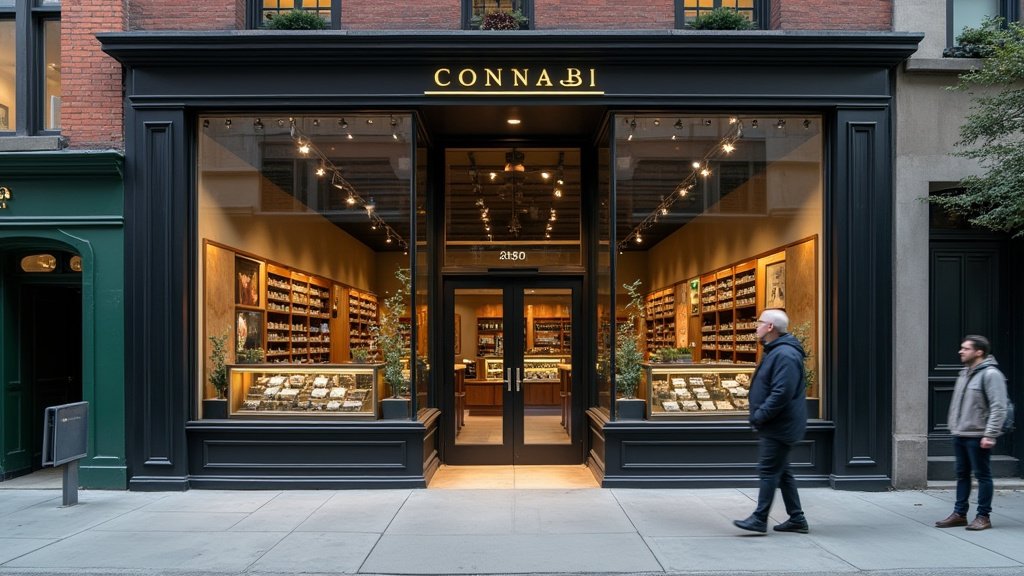
The primary focus for Northeast stakeholders is the New York OCM’s aggressive push to clear the backlog of licensing applications. Industry sources indicate that the department is moving to approve final permits for 250 retail locations by the end of August. This move is designed to combat the illicit ‘gray market’ that has plagued Manhattan and the outer boroughs since legalization.
For license holders, this week represents the ‘make-or-break’ moment. The capital expenditure required to secure brick-and-mortar storefronts in New York City remains the highest in the nation. Analysts suggest that firms that have successfully navigated the bureaucratic OCM maze by mid-August will secure a ‘first-mover’ advantage in the Q4 holiday sales cycle. Conversely, those still languishing in administrative review face the risk of total capital depletion before their doors even open.
The MSO Financial Outlook: A Q2 Reckoning
Parallel to the NYC regulatory news is the release of Q2 2026 earnings reports. Major MSOs—the titans of the cannabis sector—are under intense pressure to prove that their business models are sustainable without the promise of immediate federal banking reform.
Market expectations for these reports are specific. Experts project that while top-line revenue growth may show a moderate 14% increase compared to Q2 2025, the real story lies in operational efficiency. We are observing a trend of ‘right-sizing’: companies are divesting from non-performing assets in states with high tax burdens and reallocating capital to high-growth markets like Ohio and New York.
Key metrics to watch include the ‘Gross Margin Expansion’ and ‘Free Cash Flow’ (FCF). Historically, cannabis firms operated under a ‘growth at all costs’ mentality. Today, the institutional investor mandates that firms prioritize FCF over raw revenue expansion. If major players report a positive FCF, we expect a market rally; if they report continued cash burn, the sell-off could be significant.
Steel City’s Cultural Momentum
While the financial news dominates Wall Street and boardrooms, the ground-level reality is shifting in Pittsburgh. The ‘Steel City Canna-Culture Fest,’ scheduled for August 14-15 at Point State Park, highlights the growing shift toward normalized consumption events.
This event is not just a social gathering; it is a major economic engine. Local commerce boards are predicting a $4.2 million surge in activity for hospitality, lodging, and local ancillary businesses. This represents a secondary angle often overlooked by national analysts: the ‘Event-Led Economy.’ As regional markets mature, the ability for cities to host regulated, safe, and commercial cannabis festivals becomes a massive competitive advantage, driving tax revenue and local tourism in ways that standard dispensaries cannot.
Secondary Angles: Understanding the Wider Web
To truly grasp the significance of this week, we must look beyond the immediate headlines.
1. The Banking Impasse: Despite the ongoing earnings reports, the lack of progress on the SAFER Banking Act continues to artificially inflate the cost of capital for MSOs. The interest rates paid by these firms remain double that of non-cannabis industries, a ‘cannabis tax’ that hampers innovation.
2. Technological Consolidation: We are seeing a shift toward centralized inventory management software. As the market moves from fragmented to consolidated, the software platforms (POS and ERP systems) that can integrate multi-state reporting are becoming the most valuable non-touch assets in the industry.
3. Demographic Shifts: Data from the upcoming Pittsburgh festival indicates that the fastest-growing consumer segment is now the ‘Silver Demographic’ (55+), shifting the focus of product development from high-potency THC to wellness and CBD-infused products.
FAQ: People Also Ask
Q: Why are MSO earnings specifically critical this week?
A: Q2 earnings set the tone for the remainder of the fiscal year. They provide the necessary data for institutional investors to decide whether to increase or decrease positions before the Q4 peak sales season.
Q: How does the NYC OCM rollout affect the illicit market?
A: By transitioning operators from the ‘gray market’ to fully licensed entities, the OCM rollout aims to shift consumer traffic toward tax-paying, safety-regulated retailers, ultimately starving the illicit market of its customer base.
Q: What is the significance of the Pittsburgh festival for the wider industry?
A: It serves as a testing ground for ‘cannabis tourism.’ If the event succeeds with minimal security issues, it creates a blueprint for other cities to follow, potentially unlocking a new revenue stream for municipalities across the mid-Atlantic region.