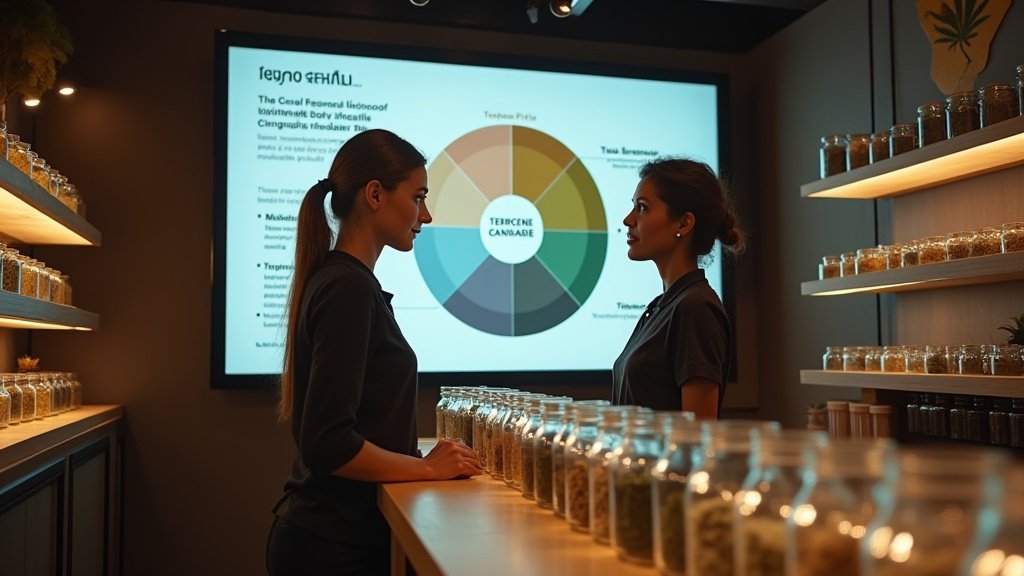
In 2026, the cannabis industry is undergoing a structural transformation, with leading brands like Rythm championing a shift away from the outdated ‘highest THC percentage’ race toward a sophisticated model of intentional consumption. This year marks a pivotal departure for consumers who are increasingly prioritizing terpene profiles, complex aroma bouquets, and the specific, predictable ‘vibe’ or therapeutic effect of a strain. As the market matures, the demand for nuanced product education has reached an all-time high, fundamentally altering how products are cultivated, marketed, and consumed across legal jurisdictions.
Key Highlights
- The End of the THC Myth: Consumer data reveals a widespread pivot away from strains solely marketed for high THC content in favor of quality-driven terpene profiles.
- Intentional Consumption: The 2026 market trend emphasizes matching specific strains to distinct lifestyle outcomes—ranging from ‘focus’ and ‘creativity’ to ‘rest’ and ‘recovery.’
- Terpene-Forward Cultivation: Rythm and other industry leaders are investing heavily in preservation techniques to maintain the integrity of aromatic compounds that define the cannabis experience.
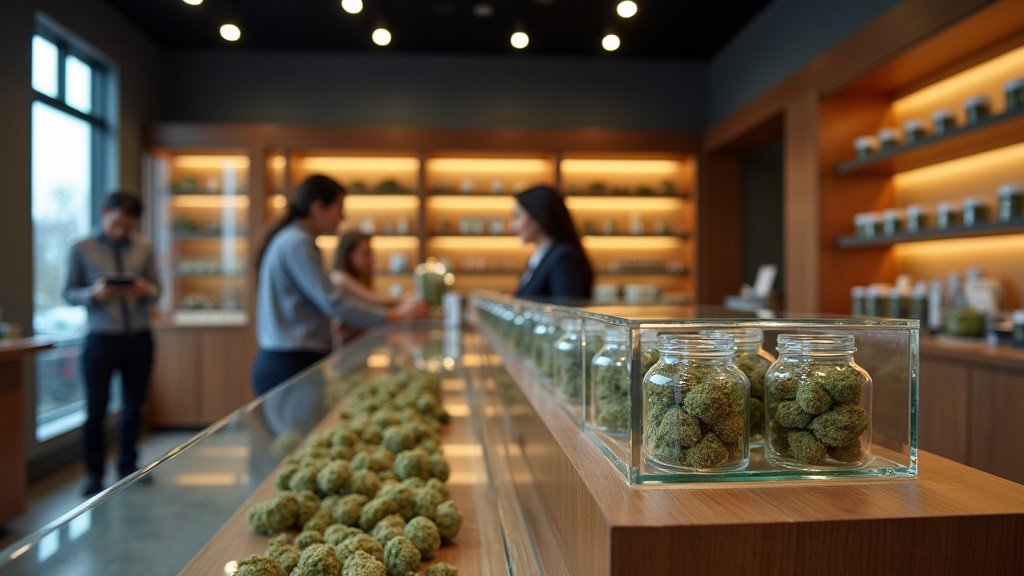
- Education-First Retail: Dispensaries are increasingly utilizing COAs (Certificates of Analysis) as educational tools rather than just compliance documents, helping consumers identify their preferred flavor and effect profiles.
The Terpene Renaissance: Redefining Quality in 2026
For nearly a decade, the cannabis industry operated under the influence of ‘THC-inflation,’ where retail prices were dictated almost exclusively by the milligram of THC present in a product. In 2026, that paradigm has collapsed. Rythm’s latest analysis confirms that the sophisticated modern consumer now treats cannabis with the same discernment as fine wine or specialty coffee, looking far deeper into the plant’s chemical composition. The modern standard of excellence is no longer measured by the raw potency of a flower but by the richness of its terpene profile—the aromatic compounds like myrcene, limonene, and caryophyllene that drive the therapeutic and sensory experience.
Beyond the THC Ceiling: The ‘Intentional’ Consumer
The concept of ‘intentional consumption’ is the defining narrative of the 2026 market. Consumers are no longer wandering into dispensaries asking for the ‘strongest’ option. Instead, they are arriving with specific needs: a desire to dampen social anxiety, a need for creative flow, or a demand for deep, restorative sleep. This requires a shift in how product lines are developed by parent companies like Green Thumb Industries (GTI), the operator behind Rythm. By focusing on the ‘vibe’—a term now used to describe the synergistic effect of cannabinoids and terpenes working in tandem—brands are creating product ‘ecosystems’ that allow users to curate their own wellness or recreational pathways.
The Science of Aroma: Unlocking the Entourage Effect
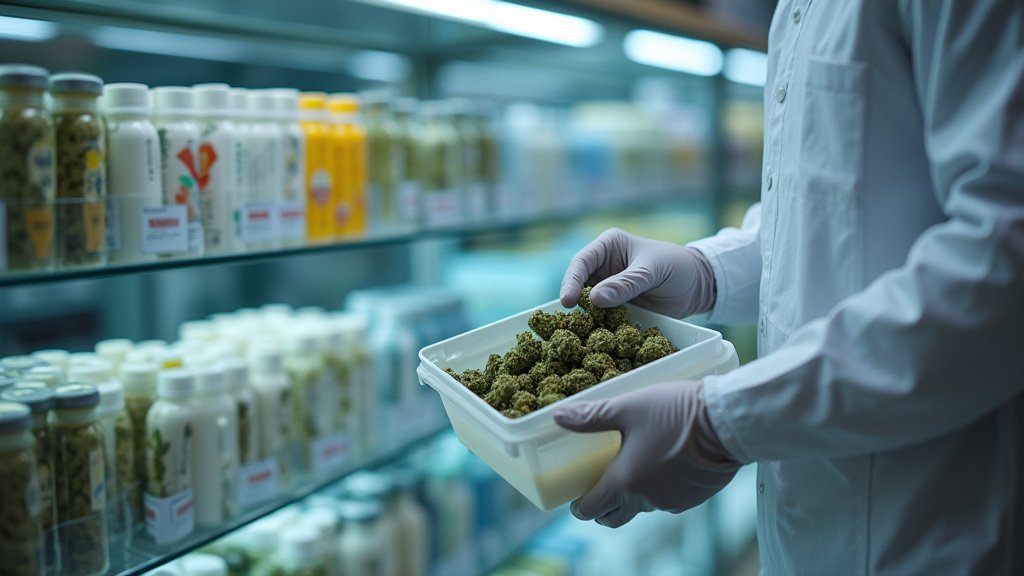
The science behind this shift is grounded in the ‘entourage effect,’ the theory that cannabinoids and terpenes work better together than in isolation. In 2026, cultivation science has optimized for the protection of these volatile compounds. Growers are utilizing low-temperature curing and humidity-controlled packaging to ensure that when a consumer opens a package, the aromatic profile is as potent as the day it was harvested. This focus on sensory input—aroma, taste, and ‘mouthfeel’—has become the primary driver of repeat purchases. Rythm has been at the forefront of this, implementing advanced testing protocols that provide consumers with detailed terpene breakdowns that go well beyond the standard cannabinoid reports.
Market Implications: The Rise of Quality-Driven Cultivation
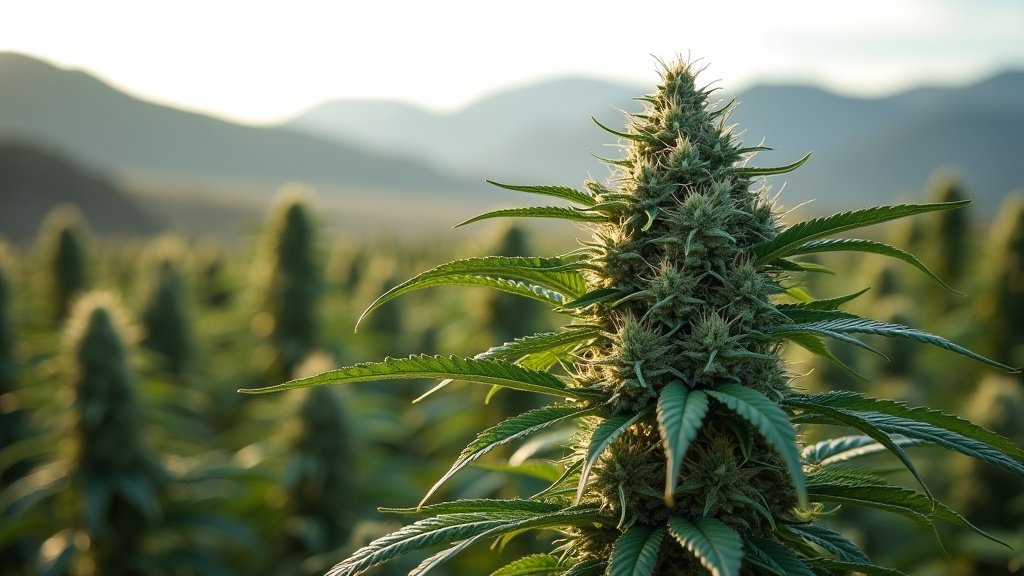
The economic impact of this shift is profound. For retailers, the focus on terpene-rich, quality-driven flower means that premium pricing is now justifiable based on ‘artisanal’ cultivation practices rather than just lab results. This has forced the entire supply chain to pivot. Cultivators are moving away from rapid-cycle, high-output genetics that prioritize yield and THC volume, and are instead reviving heirloom genetics and unique landrace expressions that offer distinct, identifiable effects. This creates a more sustainable market model where quality is rewarded, and generic, low-quality supply is increasingly difficult to move.
Secondary Angles: Future Trends & Industry Evolution
1. The Digital Integration of Consumption: We are seeing the rise of ‘cannabis-tracking’ apps that integrate with a user’s smart devices, allowing them to log the terpenes and dosages that result in their ‘ideal vibe.’ This data-driven approach is allowing companies to iterate on their genetics with unprecedented speed.
2. Regulatory Standards for Terpenes: As consumer demand for terpene data rises, we expect regulators to begin mandating standardized terpene labeling on all legal cannabis packaging, similar to nutrition labels on food, to combat ‘marketing-only’ claims.
3. The Decline of Distillate: With the market moving toward ‘full-spectrum’ experiences, highly refined distillate products that strip away the plant’s natural compounds are seeing a decline in popularity, giving way to live resin and rosin products that preserve the plant’s original identity.
FAQ: People Also Ask
Q: Why does Rythm prioritize terpenes over THC percentages?
A: Rythm’s research indicates that THC levels do not guarantee the quality of the ‘high’ or the therapeutic effect. Terpenes dictate the aroma and influence how cannabinoids affect the body, making them a more reliable indicator of the intended experience.
Q: How can a consumer identify an ‘intentional’ strain in a dispensary?
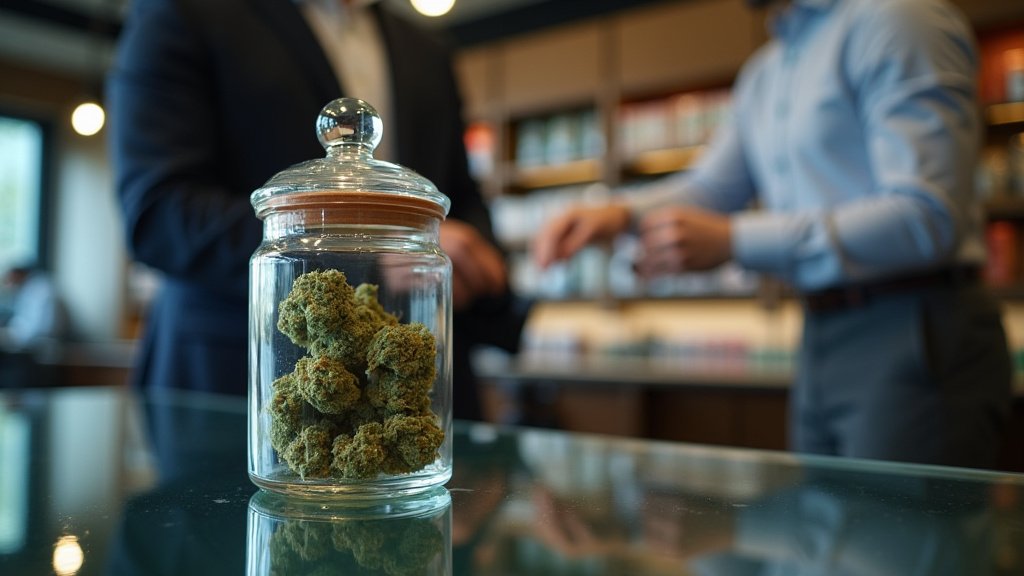
A: Look for the Certificate of Analysis (COA) provided with the product. Focus on the terpene breakdown—for example, high myrcene strains often correlate with sedative, ‘couch-lock’ effects, while high limonene strains are typically associated with uplifting, energetic experiences.
Q: What is the ‘vibe’ approach to cannabis shopping?
A: The ‘vibe’ approach is a consumer-centric strategy that categorizes products by the desired outcome (e.g., focus, relaxation, social interaction) rather than just strain name or potency, making it easier for the average consumer to find a product that fits their specific needs.