Texas authorities are moving forward with a controversial enforcement strategy regarding synthetic THC products, placing retailers and consumers at the center of a escalating legal tug-of-war. While the Texas Department of State Health Services (DSHS) continues to push for a reclassification of these substances as Schedule 1 controlled substances, the reality on the ground—particularly in major metropolitan hubs like San Antonio—tells a story of tempered enforcement priorities, leaving local business owners to manage the ambiguity of a shifting regulatory landscape.
Key Highlights
- Regulatory Conflict: Texas DSHS has formally classified products such as Delta-8 and Delta-10 THC as Schedule 1 controlled substances, citing safety and labeling concerns, despite ongoing litigation.
- Metropolitan Enforcement: In cities like San Antonio, local law enforcement agencies have signaled a tactical pivot, confirming that officers will focus resources on violent crime rather than prioritizing minor hemp-related infractions.
- Retailer Adaptation: Hemp shop owners across the state are scrambling to enhance age-verification processes and transparent labeling to avoid the crosshairs of state-level regulators.
- Legislative Impasse: The conflict highlights a deepening friction between the federal 2018 Farm Bill, which legalized hemp, and state-level efforts to control the proliferation of psychoactive hemp derivatives.
The Delta-8 Dilemma: Regulatory Tightening and Market Uncertainty
The ongoing debate over synthetic THC products in Texas is a masterclass in the friction between federal agricultural policy and state-level public health mandates. Since the passage of House Bill 1325, which legalized industrial hemp in Texas in 2019, the market for hemp-derived products exploded. However, the rise of “synthetic” cannabinoids—chemically converted from hemp-derived CBD—has sparked a significant backlash from the Texas Department of State Health Services (DSHS). By attempting to classify Delta-8 and Delta-10 as Schedule 1 substances, the state is effectively placing these products in the same legal category as heroin or LSD, a move that has been vehemently challenged by industry advocates.
The Legal Tug-of-War: HB 1325 vs. DSHS
The heart of the issue lies in the interpretation of House Bill 1325. While the bill was designed to align Texas law with the federal 2018 Farm Bill, the DSHS argues that the conversion of CBD into other THC isomers creates a “synthetic” product not contemplated by the original legislation. This has led to a protracted legal battle. For retailers, this means that while the law may technically support their business, the regulatory shadow cast by the DSHS creates a “chilling effect” on operations. Some shops have preemptively pulled products, fearing police raids, while others are leaning into stricter compliance protocols. The legal instability forces store owners to act as both retailers and compliance officers, necessitating constant monitoring of court filings that could change the legality of their entire inventory overnight.
San Antonio’s Enforcement Pivot: A Strategic Shift
Perhaps the most telling aspect of this crackdown is the disparity between state-level rhetoric and local-level reality. In San Antonio, local officials have clarified their stance: the primary mission of the police force remains the mitigation of violent crime. This pragmatic approach effectively acknowledges the limited utility of dedicating police manpower to the nuanced, and often litigious, world of hemp-derivative possession. By deprioritizing minor hemp-related enforcement, the city is signaling that it prefers to allow the courts and the legislature to resolve the status of these products rather than utilizing police resources to arrest shop clerks or possessors of products that reside in a legal grey area. This “hands-off” approach provides a temporary, if fragile, reprieve for businesses operating within city limits, though it remains subject to change should state-level pressure increase.
Economic Ripples in the Texas Hemp Market
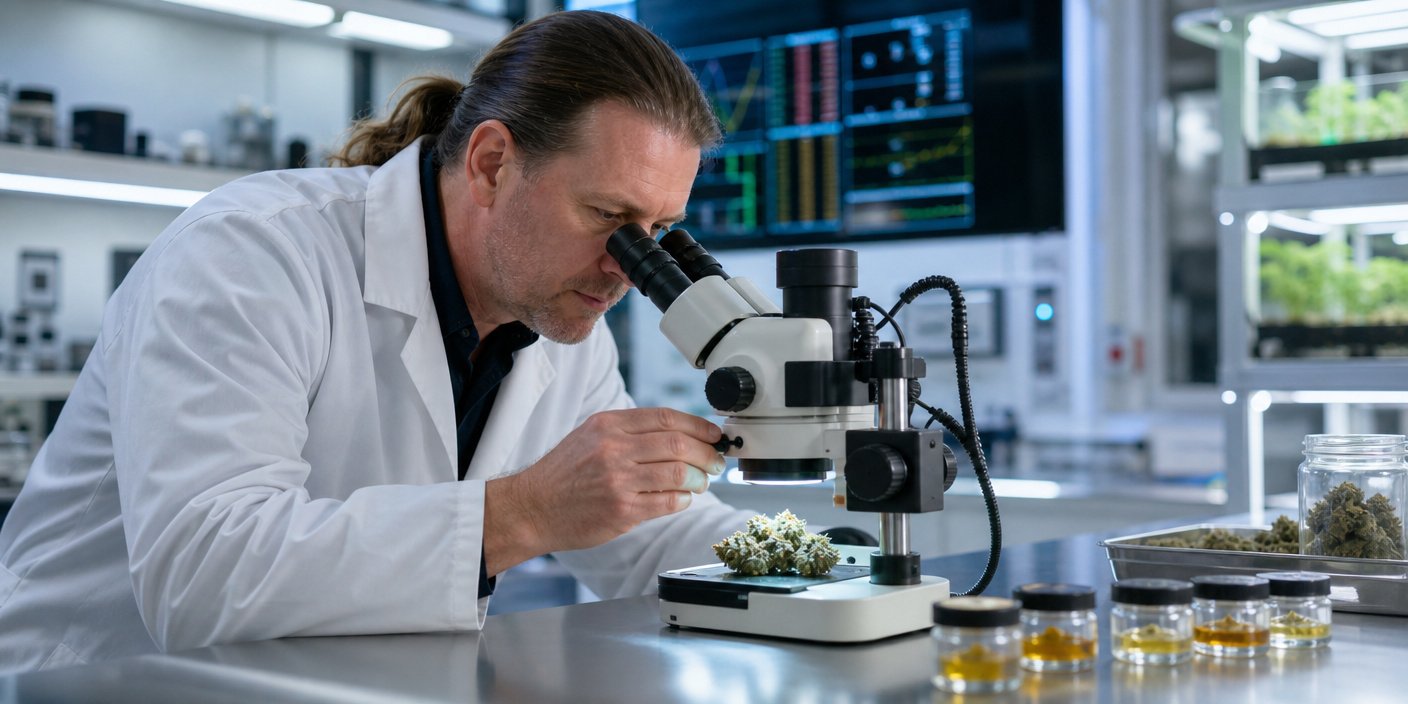
The proliferation of hemp-derived THC products has created a robust economic sector in Texas, with thousands of jobs tied to retail, processing, and distribution. A strict, statewide crackdown would not only dismantle these businesses but also create a massive, unintended financial void. As retailers attempt to survive, we are seeing a shift toward higher standards: improved age-verification software, independent third-party lab testing for every batch, and child-proof packaging. These steps are a direct response to the “safety” arguments often cited by proponents of the ban. By self-regulating, the industry hopes to provide state legislators with an alternative to total prohibition—one that prioritizes harm reduction and age restriction over criminalization.
The Future: Legislative Predictions and Consumer Impact
As the state moves toward the next legislative session, the conversation is likely to shift from “banning” to “regulating.” There is a growing consensus among moderate lawmakers that a complete prohibition is both unenforceable and economically damaging. Instead, we may see a push for strict manufacturing standards, mandatory age caps, and a clearer definition of “synthetic” versus “naturally occurring” cannabinoids. For the average consumer, this means the landscape will remain volatile. The products available today may look very different in six months, as “compliant” THC isomers—those that fall outside the DSHS’s current target list—become the new standard for the Texas hemp industry. Consumers should be prepared for potential price fluctuations and reduced availability as shops consolidate their inventory to mitigate legal risk.
FAQ: People Also Ask
1. Are Delta-8 and Delta-10 products illegal in Texas right now?
While the Texas DSHS has attempted to classify them as Schedule 1 controlled substances, the enforcement of this status has been the subject of ongoing litigation. The legality remains a complex “grey area,” and many retailers continue to operate while the courts resolve the conflict.
2. Why are Texas police focusing on violent crime instead of hemp shops?
Major police departments, such as those in San Antonio, often utilize a resource allocation strategy. Given the legal uncertainty surrounding the status of these hemp-derived products, prioritizing violent crime is viewed as a more efficient and effective use of limited public safety resources.
3. What should consumers look for in reputable hemp shops?
Consumers should look for shops that provide QR-coded certificates of analysis (COAs) for their products, maintain strict 21+ age verification policies, and display transparency regarding the sourcing and manufacturing of their cannabinoids.
4. How does the 2018 Farm Bill impact Texas law?
The federal 2018 Farm Bill legalized hemp nationwide, defined by a Delta-9 THC content of 0.3% or less. Texas House Bill 1325 was intended to adopt these federal standards, but current state-level regulatory disputes focus on whether synthetic processing of these extracts creates an entirely new class of illegal substance.