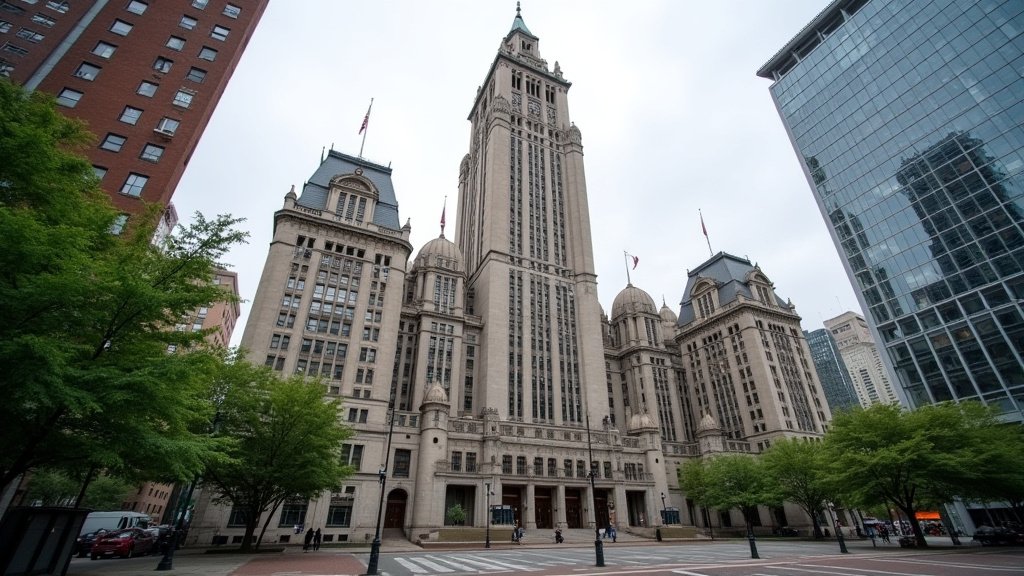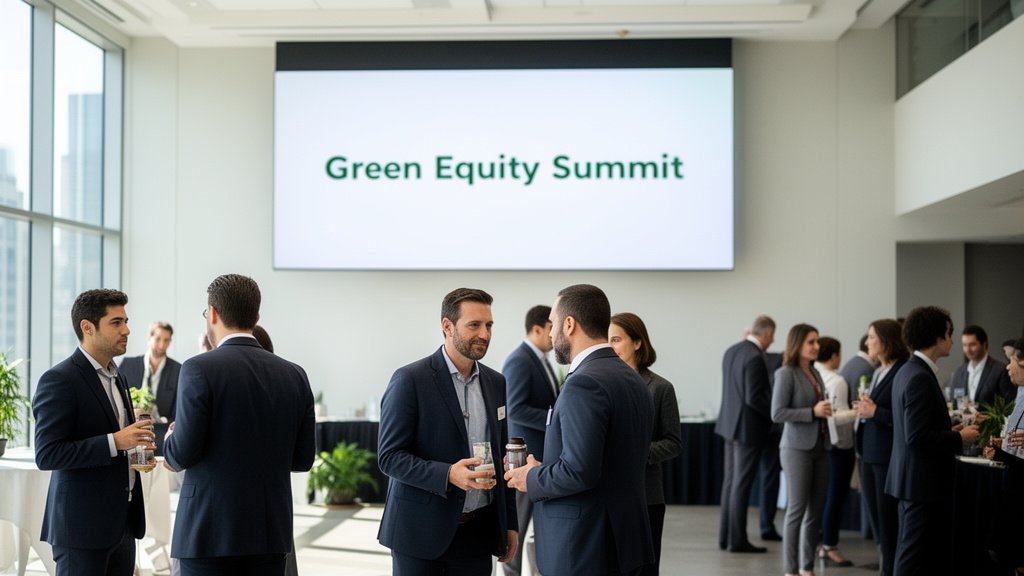
The Minority Cannabis Business Association (MCBA) Green Equity Summit officially commenced in Minneapolis, Minnesota, on August 24, 2026, signaling a major turning point for the nationwide effort to build a diverse and equitable cannabis economy. As the industry moves past the initial wave of state-level legalization, the focus has shifted sharply toward implementation, access to capital, and the tangible economic viability of minority-owned enterprises. This year’s summit serves as a high-level incubator for policy strategies and business development, bringing together entrepreneurs, institutional investors, and regulatory consultants to address the systemic barriers that continue to impede minority-owned businesses in the emerging cannabis market.
Key Highlights
- The Capital Gap: Expert-led panels centered on strategies for securing institutional funding, moving beyond traditional small-business lending to attract venture capital into social equity-focused firms.
- Regulatory Reform: A deep dive into Minnesota’s specific regulatory framework and how it can serve as a template for other states to prioritize social equity licenses effectively.
- Supply Chain Inclusion: Development of a new mentorship program connecting minority business owners with established supply chain logistics providers to lower operational costs.
- Minneapolis as a Hub: Highlighting Minnesota’s strategic position in the Midwest to lead the next regional wave of responsible, equity-driven cannabis commerce.
Architecting an Equitable Future: The Business of Inclusion
The central theme of the 2026 MCBA Green Equity Summit is the transition from ‘social equity’ as a political slogan to ‘green equity’ as a measurable economic reality. While early legalization efforts were often criticized for prioritizing large, well-capitalized multi-state operators (MSOs), the conversation at the Minneapolis summit is decisively different. Attendees are focused on the practical, technical, and financial maneuvers required to secure market share in an increasingly competitive landscape. The summit frames equity not just as a social justice imperative, but as a critical component of a sustainable, long-term cannabis market that represents the demographics of the communities it serves.
The Capital Access Challenge
One of the most pressing sub-topics of Day One was the persistent ‘capital access gap.’ Despite the legalization of cannabis in numerous states, minority-owned businesses continue to face discriminatory lending practices and exclusion from traditional banking services. The MCBA has leveraged this summit to host a series of ‘investor matchmaking’ sessions. These sessions are designed to connect founders with private equity groups that specialize in Environmental, Social, and Governance (ESG) investing. By creating a direct pipeline between minority founders and ethical capital, the association is attempting to bypass the institutional inertia that has historically kept minority entrepreneurs on the sidelines of the ‘Green Rush.’
Minnesota: A Microcosm of National Change
Choosing Minneapolis as the host city for this summit is no coincidence. Minnesota represents a state that is currently in the ‘implementation phase’ of its cannabis program. This provides a unique, real-time case study for the summit’s attendees. Discussions highlighted the importance of ‘proximity to power’—the ability for business owners to engage directly with local and state regulators as the rule-making process evolves. The MCBA leadership emphasized that by being involved in the Minneapolis market during these formative years, minority entrepreneurs can influence regulatory outcomes, such as zoning laws and social equity license quotas, before they are permanently codified.
The Role of Technology and Logistics
Beyond policy and funding, the summit addressed the operational bottlenecks of the industry. For many minority-owned businesses, the cost of entry is compounded by high operational expenses and difficulty navigating complex supply chain logistics. Day One featured technical workshops focusing on decentralized supply chain management and inventory technology. By adopting more efficient, tech-forward business models, attendees learned how to mitigate the overhead costs that often cripple smaller startups. This segment of the summit underscored the reality that ‘equity’ must also be backed by ‘efficiency’ to ensure long-term profitability.
Secondary Angles of Impact
1. The ESG Investment Shift: The summit reflects a broader trend in finance where institutional investors are under pressure to prove that their investments support diversity, forcing them to look closer at the cannabis sector.
2. Historical Context of Prohibition: The panels drew direct lines between the damages of the ‘War on Drugs’ and the specific regulatory structures needed today to repair those economic disparities, framing the MCBA’s work as a necessary corrective measure.
3. Future Regional Predictions: Experts discussed how the success of the Midwest’s equity programs could dictate national policy. If Minneapolis succeeds in establishing a robust minority-owned supply chain, it could force neighboring states to adopt similar, more equitable models to remain competitive.
FAQ: People Also Ask
Q: What is the primary goal of the MCBA Green Equity Summit?
A: The goal is to provide minority cannabis business owners with the resources, legislative access, and capital connections necessary to succeed in a competitive, regulated market, focusing on long-term business sustainability rather than just short-term advocacy.
Q: Why was Minneapolis chosen for the 2026 summit?
A: Minneapolis was selected due to its current regulatory phase. As Minnesota implements its cannabis legalization framework, it provides a critical, timely opportunity for minority entrepreneurs to engage with policymakers and shape the industry’s local landscape from the ground up.
Q: Who attends the Green Equity Summit?
A: The summit attracts a diverse coalition including minority business founders, prospective cannabis entrepreneurs, institutional investors, ESG-focused venture capitalists, legal experts specializing in cannabis law, and state-level policy advocates.
Q: How does this summit address the capital gap for minority businesses?
A: The summit features direct ‘investor matchmaking’ sessions and workshops on navigating financial regulations, aiming to bridge the gap between minority founders and private equity groups dedicated to social and economic justice.