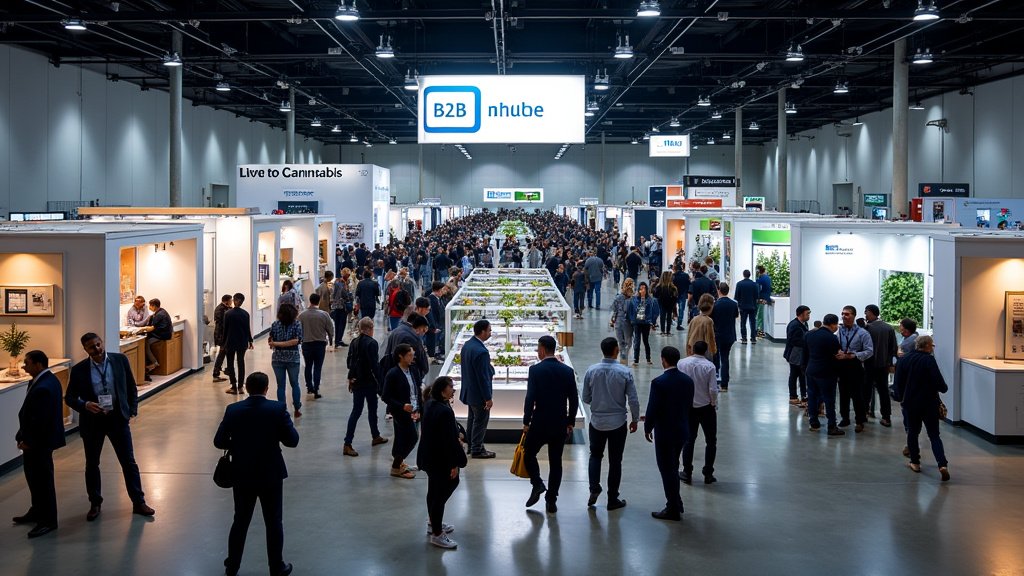
On September 22, 2026, the San Diego chapter of Americans for Safe Access (ASA) convenes for its highly anticipated Fall 2026 General Meeting, focusing squarely on a pressing industry concern: the erosion of legacy cannabis genetics. With the commercial market increasingly dominated by high-THC, standardized cultivars, the conversation led by expert Wade Olsen aims to shift the narrative toward preservation, biodiversity, and the long-term viability of the plant’s ancestral lineage. This meeting marks a pivotal moment for advocates and cultivators alike as they grapple with the delicate balance between market scalability and biological heritage.
Key Highlights:
- Experts analyze the accelerating loss of unique phenotypic expressions in mass-market cannabis.
- Wade Olsen presents a strategic framework for preserving landrace strains and heirloom genetics.
- Discussion of the 2026 legislative outlook for small-batch cultivators in California.
- Strategies for balancing commercial profitability with genetic diversity.
The Genetic Preservation Imperative
The current state of the cannabis market is defined by a paradox: while access has never been more widespread, the genetic pool is rapidly shrinking. As the industry matures, commercial pressure favors cultivars that offer high yield, high THC concentrations, and short flowering times. This selection pressure, while economically logical for large-scale operations, has inadvertently created a ‘monoculture’ effect that puts the long-term resilience of the species at risk. The Fall 2026 ASA meeting serves as a rally point for those concerned that the unique characteristics of historic landrace strains—such as specific terpene profiles and environmental adaptability—are being bred out of existence.
The Vanishing Gene Pool and Biodiversity
Biological diversity is the primary defense against pests, disease, and changing climate conditions. In agricultural history, the move toward monoculture has almost always preceded significant crop failures. Wade Olsen’s presentation emphasizes that the ‘legacy’ genetics currently being lost are not just artifacts of the past; they are the essential building blocks for future breeding efforts. By relying on a narrow genetic base, the industry risks creating a fragile system susceptible to systemic blight. The San Diego ASA is calling for a concerted effort to bank seeds and document the specific cultivation conditions required to keep these legacy strains alive.
Regulatory Hurdles for Legacy Seeds
One of the most complex issues being discussed is the regulatory environment. Current California regulations often prioritize standardization and safety testing, which can create barriers for legacy breeders who deal with diverse, unpredictable strains. These regulations, while intended to protect consumers, can unintentionally penalize the ‘artisan’ model of cultivation. Attendees are exploring how to advocate for ‘heirloom exemptions’ or more flexible testing parameters that accommodate the natural variance found in legacy genetics, ensuring that safety does not come at the cost of genetic variety.
Wade Olsen’s Expertise in Modern Cultivation
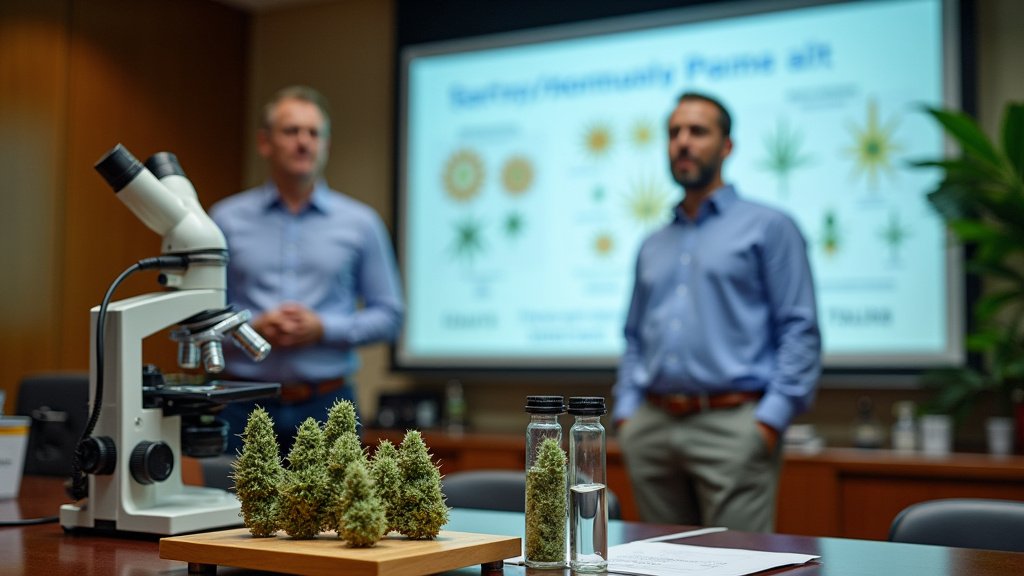
Wade Olsen brings a nuanced perspective to the San Diego meeting, bridging the gap between old-world growing techniques and modern analytical tools. His approach does not reject the current commercial model but argues for a tiered ecosystem. He suggests that the market can support both high-output standardized crops and boutique, heirloom-focused cultivation. Olsen’s work involves identifying the chemical markers of legendary, hard-to-find cultivars and using modern gas chromatography to ensure these strains can be reproduced while maintaining their unique, historical ‘signature’ effects. This data-driven approach is critical for gaining legitimacy with regulators who are often skeptical of unregulated, ‘traditional’ seeds.
Economic Impact & Market Stability
The economic angle of this discussion is vital for the survival of small-scale growers. As price compression hits the mainstream market, specialty legacy strains offer a pathway to higher margins. By focusing on quality, history, and niche appeal, small cultivators can insulate themselves from the ‘race to the bottom’ that plagues the commodity market. The meeting participants are dissecting case studies where boutique growers have successfully pivoted to heritage strains, capturing a dedicated consumer base that values the story and the specific experience provided by these older varieties. This economic model relies on brand storytelling—a skill set that many legacy growers are currently refining to stay competitive in a crowded, legal marketplace.
Environmental Sustainability of Diverse Strains
Beyond market dynamics, the environmental conversation is increasingly taking center stage. Legacy strains often developed their characteristics in specific microclimates, meaning they are frequently better suited for sustainable, regenerative farming practices than modern indoor-bred clones. By utilizing genetics that are adapted to specific outdoor conditions, growers can reduce the need for synthetic inputs, excessive lighting, and climate control infrastructure. This shift not only lowers the carbon footprint of production but also aligns with the broader environmental goals of the state of California, potentially opening doors for grant funding and carbon credits for growers who focus on these resilient, diverse strains.
Future Predictions: The Heirloom Renaissance
Looking ahead, the consensus at the meeting suggests that we are on the precipice of an ‘heirloom renaissance.’ Much like the craft beer or specialty coffee industries, cannabis consumers are becoming increasingly sophisticated. The future will likely see a market bifurcated between utilitarian, mass-market products and a high-end, collector-oriented ‘heirloom’ sector. Wade Olsen predicts that within the next five years, the most valuable assets in the cannabis industry will be the libraries of rare, preserved, and scientifically verified legacy genetics. This prediction highlights the urgent importance of the work being done by the San Diego ASA chapter today—preserving these genetic assets before they are lost to time, negligence, or the aggressive homogenizing forces of the mainstream market.
FAQ: People Also Ask
What is Americans for Safe Access (ASA)?
ASA is a national non-profit organization dedicated to ensuring safe and legal access to cannabis for therapeutic use and research. The San Diego chapter plays a vital role in local advocacy, education, and regulatory engagement.
Why are ‘legacy’ cannabis genetics important?
Legacy genetics contain diverse traits, including rare terpene profiles and environmental resilience, which are often lost in the focus on high-yield, high-THC breeding. Preserving them ensures the plant’s long-term health and provides a broader palette for future cultivation.
How can regulations better support legacy breeders?
Advocates suggest implementing tiered licensing, heirloom seed registries, and flexible testing standards that acknowledge the natural, non-standardized variance of traditional cannabis strains.
What can small-batch growers learn from this meeting?
Small growers can learn how to leverage the ‘heirloom’ identity to command premium pricing, differentiate their products, and utilize more sustainable, outdoor-focused growing methods suited to their specific region.