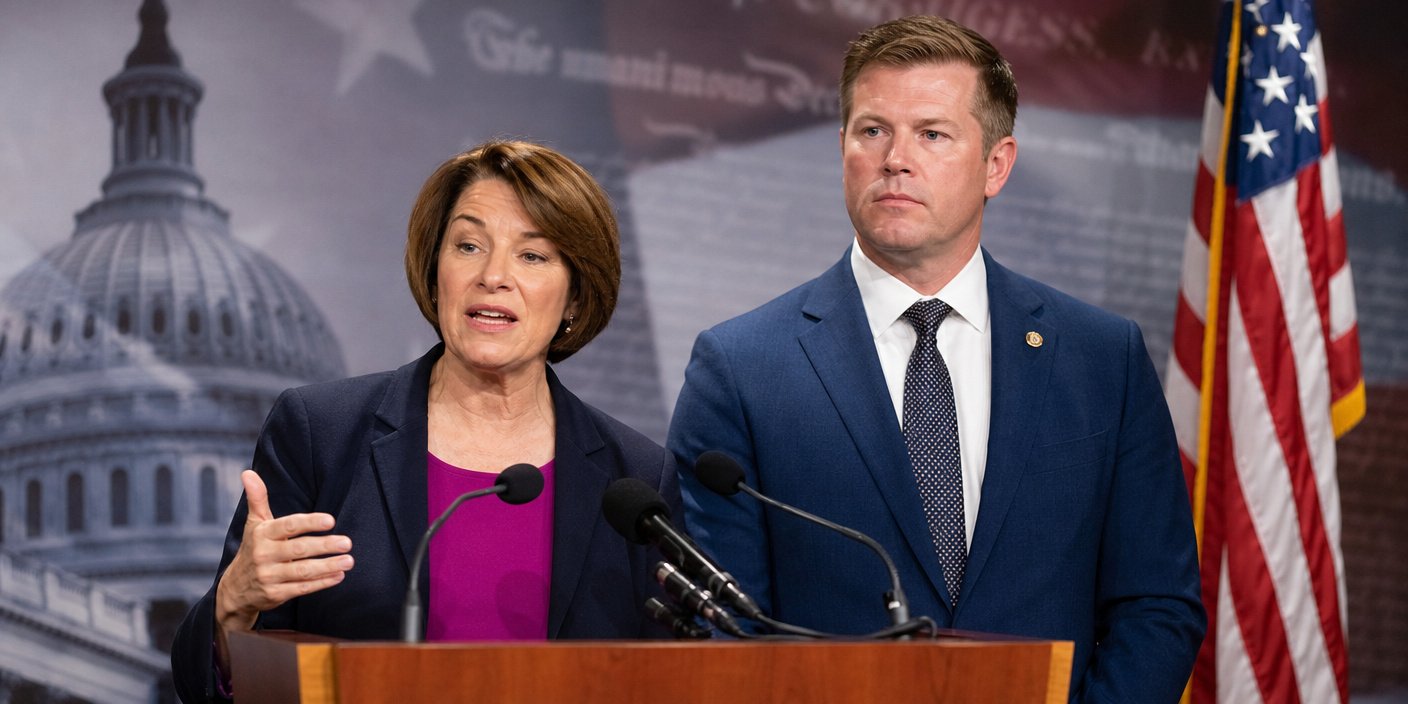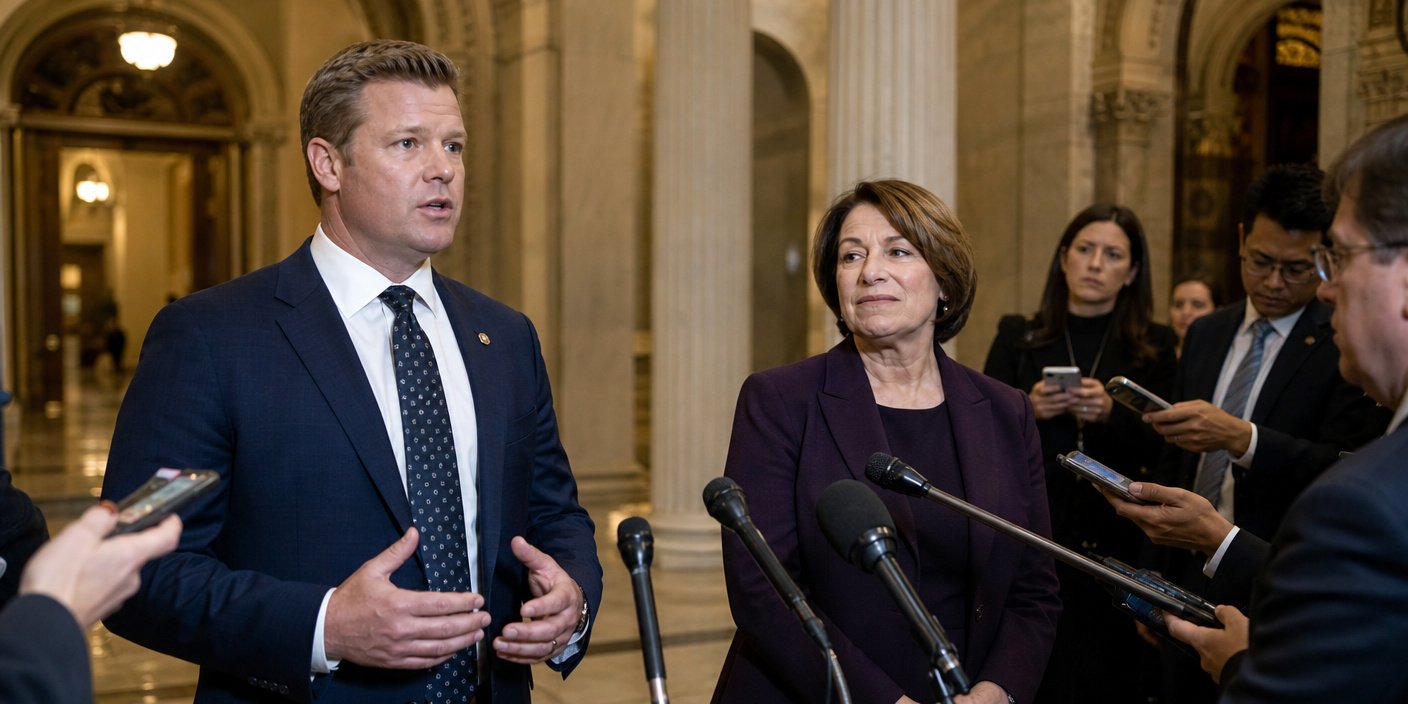
The regulatory landscape for hemp-derived products is facing a pivotal moment, with a bipartisan pair of U.S. Senators moving to replace the impending federal hemp-THC ban with a structured, comprehensive framework. As the December 11 deadline approaches, Senators Tim Sheehy (R-MT) and Amy Klobuchar (D-MN) have introduced the ‘Hemp Guardrails Act,’ a legislative intervention designed to bring clarity, safety, and legitimacy to an industry that has operated in a precarious grey area since the passage of the 2018 Farm Bill.
The Regulatory Vacuum: Why Now?
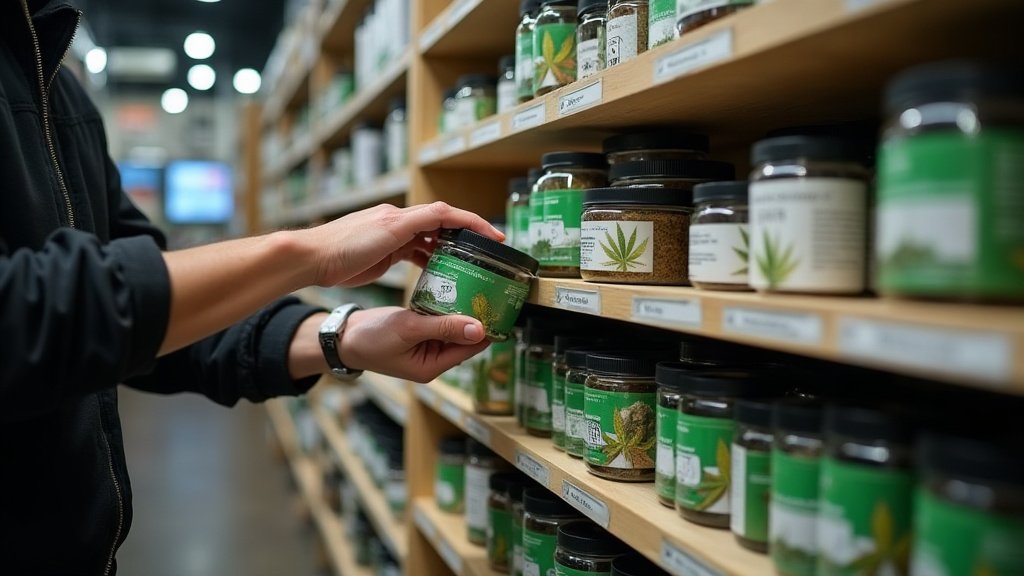
The central issue stems from the ambiguity surrounding hemp-derived cannabinoids. While the 2018 Farm Bill effectively legalized hemp—defined as cannabis containing 0.3% or less delta-9 THC by dry weight—it did not anticipate the surge in manufactured, high-potency hemp-derived intoxicants. These products have proliferated across retail shelves nationwide, often bypassing the rigorous safety and testing standards required of products within the regulated state-legal marijuana markets.
For years, regulators and industry stakeholders have been trapped in a game of legal cat-and-mouse. Manufacturers have utilized a loophole in the Farm Bill to convert hemp-derived CBD into psychoactive compounds like delta-8 THC. Because these are derived from compliant hemp, they have existed outside of the strict control measures governing the recreational cannabis market. However, with concerns mounting regarding consumer safety, youth access, and the lack of standardized labeling, federal authorities have indicated that the window for self-regulation is closing. The Hemp Guardrails Act represents a proactive effort to implement oversight that addresses these concerns without resorting to a total prohibition that could devastate the industrial hemp sector.
Core Provisions of the Hemp Guardrails Act
Unlike an outright ban, which would effectively eliminate the legal standing for various hemp-derived products, the Hemp Guardrails Act proposes a robust regulatory framework. The bill focuses on three primary pillars: safety, manufacturing standards, and sales restrictions.
Firstly, the bill aims to standardize safety testing. Currently, because these products are largely unregulated at the federal level, consumers have little assurance regarding the purity, potency, or ingredients of what they purchase. The proposed legislation would mandate rigorous, third-party lab testing for all hemp-derived intoxicating products, ensuring they are free from harmful contaminants like heavy metals, pesticides, and mold.
Secondly, the bill addresses manufacturing protocols. It seeks to enforce Good Manufacturing Practices (GMP), requiring producers to maintain clean, consistent, and documented production environments. By requiring these standards, the Act forces out ‘bad actors’ who produce inconsistent or potentially unsafe products, thereby protecting the consumer and elevating the reputation of the legitimate industry.
Finally, the Act tackles sales and marketing. This includes age-gating requirements—ensuring that psychoactive hemp products cannot be sold to minors—as well as strict labeling requirements. Accurate dosing information and clear warnings would become mandatory, moving the industry toward a structure that mirrors the safety requirements seen in alcohol or tobacco regulation, rather than the wild-west market that currently persists.
The 2018 Farm Bill Legacy and Market Evolution
The 2018 Farm Bill was heralded as a watershed moment for American agriculture, offering farmers a new, lucrative commodity in industrial hemp. It successfully decoupled ‘hemp’ from ‘marijuana’ in the eyes of the law. However, the subsequent explosion of the hemp-derived cannabinoid market was an unintended consequence that has created significant friction.
This tension highlights a growing divide between traditional industrial hemp advocates—who prioritize fiber, seeds, and oils—and the new wave of hemp-derived cannabinoid manufacturers. The former argue that the focus on psychoactive derivatives unfairly jeopardizes the viability of the entire hemp plant. The latter argue that they are simply creating products that consumers want and that the law currently allows. The Hemp Guardrails Act attempts to bridge this divide by legitimizing the market for cannabinoids through regulation, while preserving the legal status of the crop itself.
Economic and Social Implications
Economically, the impact of a total federal ban on hemp-derived THC would be significant. Thousands of small businesses, from regional processors to independent retailers, rely on these products for their revenue. A sudden prohibition would cause widespread job losses and a disruption in supply chains that have spent the last six years solidifying their place in the economy. Conversely, proponents of stricter regulations—including public health advocates—argue that the current lack of oversight constitutes a public health risk that can no longer be ignored.
By introducing this bill, Senators Sheehy and Klobuchar are proposing a middle path: federal oversight that legitimizes a consumer market while insulating the public from unsafe products. This bipartisan approach is notable, as it suggests a recognition that the status quo is unsustainable. For the industry, the choice is increasingly clear: accept federal oversight and strict compliance standards, or face potential decimation through enforcement actions that could begin as early as December 11.
Navigating the Legislative Path Forward
The road ahead for the Hemp Guardrails Act is complex. It must navigate a crowded legislative calendar and manage conflicting interests within the broader cannabis and agricultural lobbies. However, the involvement of a bipartisan duo suggests that there is enough political will to at least initiate the conversation about a regulatory alternative to prohibition.
Industry groups, retailers, and consumers are now watching the clock. As December 11 draws near, the pressure on Congress to provide a definitive answer—either through this Act or other legislative vehicles—continues to build. The outcome will set the standard for the next decade of hemp regulation in the United States, effectively deciding whether the industry can mature into a regulated, transparent sector or if it will be stifled by blanket restrictions.
FAQ: People Also Ask
1. What is the deadline of December 11 referring to?
It refers to a critical point in the legislative or regulatory calendar where federal agencies may initiate enforcement actions or final rules that could effectively ban the sale of many currently available hemp-derived THC products.
2. How does the Hemp Guardrails Act differ from a total ban?
A total ban would classify these products as controlled substances, ending the legal market. The Hemp Guardrails Act proposes to regulate these products, allowing them to remain on the market provided they meet new federal standards for testing, manufacturing, and sales.
3. Who are the primary sponsors of the Hemp Guardrails Act?
The bill is sponsored by Senator Tim Sheehy (R-MT) and Senator Amy Klobuchar (D-MN), representing a bipartisan effort to address the regulatory void in the hemp industry.
4. Will this affect industrial hemp products like CBD or fiber?
The legislation is primarily targeted at the intoxicating hemp-derived THC products. The aim is to regulate these specific segments while ensuring the broader industrial hemp sector remains protected and stable.
5. What is the main goal of the proposed safety testing?
The goal is to protect consumers by ensuring that products are free from contaminants (like pesticides and heavy metals) and accurately labeled regarding their potency and ingredients.