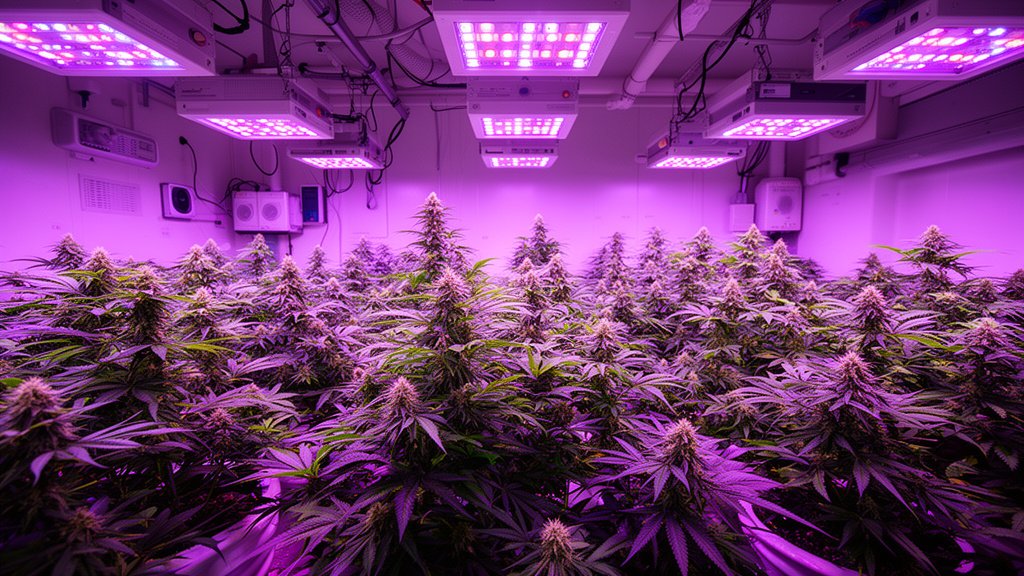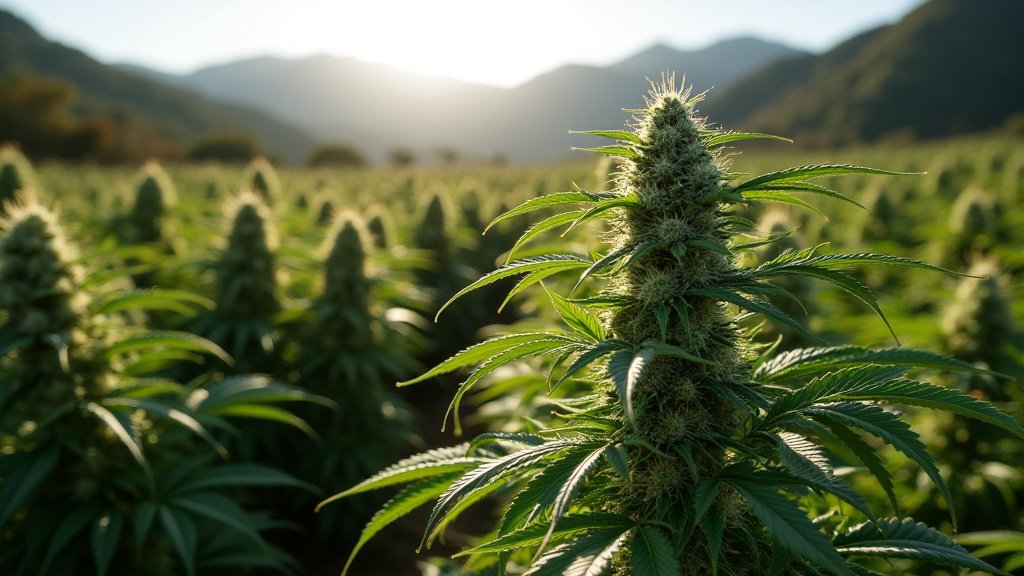
As the calendar edges closer to December 11, 2026, the domestic hemp industry faces its most significant regulatory transformation since the passing of the 2018 Farm Bill. For cultivators, manufacturers, and retailers, the upcoming federal enforcement date represents a hard pivot from the ambiguity of current regulations to a stringent, data-driven compliance framework. At the heart of this transition are two critical metrics: the transition to a ‘total THC’ calculation and a rigorous 0.4mg-per-container cap, both of which threaten to render a vast swathe of current inventory non-compliant overnight.
Key Highlights
- The ‘Total THC’ Standard: Federal guidance mandates that compliance is no longer based solely on Delta-9 THC content but on the total potential THC, requiring manufacturers to factor in THCA concentration after decarboxylation.
- The 0.4mg Hard Cap: Regardless of product volume, individual containers are now restricted to a maximum of 0.4mg of total THC, a significant reduction designed to minimize consumer exposure to psychoactive effects.
- Supply Chain Inventory Audit: Retailers are advised to conduct immediate inventory audits, as stock produced prior to the guidance may be subject to seizure or mandatory disposal if it fails to meet the new labeling and concentration standards by Dec 11.
Compliance at the Crossroads: The Federal Hemp Pivot
The landscape for hemp-derived products is undergoing a structural realignment dictated by federal agencies, specifically the Drug Enforcement Administration (DEA) and the Food and Drug Administration (FDA). While the 2018 Farm Bill provided the legal pathway for hemp cultivation, the lack of standardized testing protocols created a “gray market” for high-potency THCA products. The December 11, 2026, deadline acts as the federal government’s mechanism to close these loopholes, shifting the regulatory burden squarely onto producers.
Deciphering the ‘Total THC’ Calculation
Perhaps the most disruptive element of the new guidelines is the shift in testing methodology. Historically, many producers relied on Delta-9 concentrations to certify compliance. The new standard enforces a calculation of total potential THC, which includes THCA—a precursor that converts to Delta-9 when heated. For many cultivators, this changes everything. Products that previously tested compliant under the old rubric will likely be reclassified as controlled substances if their total potential THC exceeds the federal definition of hemp. This requires immediate investment in laboratory verification and updated Certificates of Analysis (COA) for all existing product lines.
The 0.4mg Per Container Threshold
The imposition of a 0.4mg-per-container cap is a major deviation from current volumetric standards. Previously, compliance was often measured by concentration percentage (e.g., 0.3% dry weight). By switching to a static milligram cap, regulators are removing the “potency density” loophole. This means that a large tincture bottle and a small package of edibles must both adhere to the same 0.4mg limit. For the consumer market, this effectively signals the end of the high-potency hemp “edibles” sector, forcing companies to reformulate their offerings or pivot entirely to non-psychoactive cannabinoid profiles like CBD, CBG, or CBN.
Strategic Economic Implications
The economic fallout of this deadline is expected to be bifurcated. Large-scale, vertically integrated companies with the capital to invest in sophisticated extraction and testing technology will likely capture more market share. Conversely, the artisanal and small-batch sectors face significant barriers to entry. The cost of frequent, compliant batch testing—and the inevitable write-off of non-compliant inventory—will force many smaller players to consolidate or exit the market entirely. Investors should anticipate a period of high volatility in the hemp sector as the market corrects to these lower potency thresholds.
Forecasting the Future: Secondary Angles
1. The Technology Boom in Lab Testing: As testing requirements tighten, there is a surge in demand for high-throughput, low-cost laboratory solutions. Companies that can provide real-time “Total THC” verification in the field will become the new gatekeepers of the industry.
2. Retail Consolidation: Brick-and-mortar retailers will likely undergo a massive inventory purge in Q4 2026. This “clearance phase” will likely see deep discounts on non-compliant stock, potentially creating a temporary flood of products that will vanish from shelves as the December deadline passes.
3. Cannabinoid Diversification: With THC levels strictly capped, we anticipate a massive shift in R&D toward minor cannabinoids. We expect to see a resurgence in wellness-focused products that emphasize terpene profiles and specific non-psychoactive minor cannabinoids to replace the market share previously held by high-THC hemp products.
FAQ: People Also Ask
Q: What happens if my business has inventory that exceeds the 0.4mg cap after December 11, 2026?
A: Under federal guidance, such inventory is deemed non-compliant with the federal definition of hemp. Retailers and distributors are generally expected to remove these products from sale to avoid potential seizure or enforcement actions by federal agencies.
Q: Does the 0.4mg cap apply to wholesale bulk oil or finished consumer retail units?
A: The cap specifically targets the finished consumer retail unit “per container.” Wholesale bulk material may have different requirements for transfer, but it must be processed into compliant final goods before being sold to the end consumer.
Q: Why is the government changing the THC calculation method?
A: The DEA and FDA are standardizing these metrics to prevent the sale of psychoactive products that bypass the 0.3% delta-9 threshold by exploiting THCA concentrations. This is a move toward stricter, more uniform enforcement of the Farm Bill’s intent.
Q: How can I verify if my current COAs are compliant?
A: You must ensure your third-party lab testing includes a calculation for ‘Total THC’ (Delta-9 + THCA x 0.877). If your COA does not explicitly state this calculation, you are not prepared for the upcoming federal guidelines.