Stellenbosch University researchers have revolutionized our understanding of the Cannabis sativa plant by discovering that its leaves—a part of the plant historically treated as low-value agricultural waste—are in fact a rich source of rare bioactive compounds known as flavoalkaloids. This breakthrough discovery potentially shifts the economic and medicinal trajectory of the cannabis industry, moving the spotlight from traditional flower buds to the entire plant biomass. As the global legal cannabis market continues to mature, this finding suggests that the massive volume of plant material currently discarded by growers may actually contain the next frontier of novel therapeutics.
The Discovery: Beyond THC and CBD
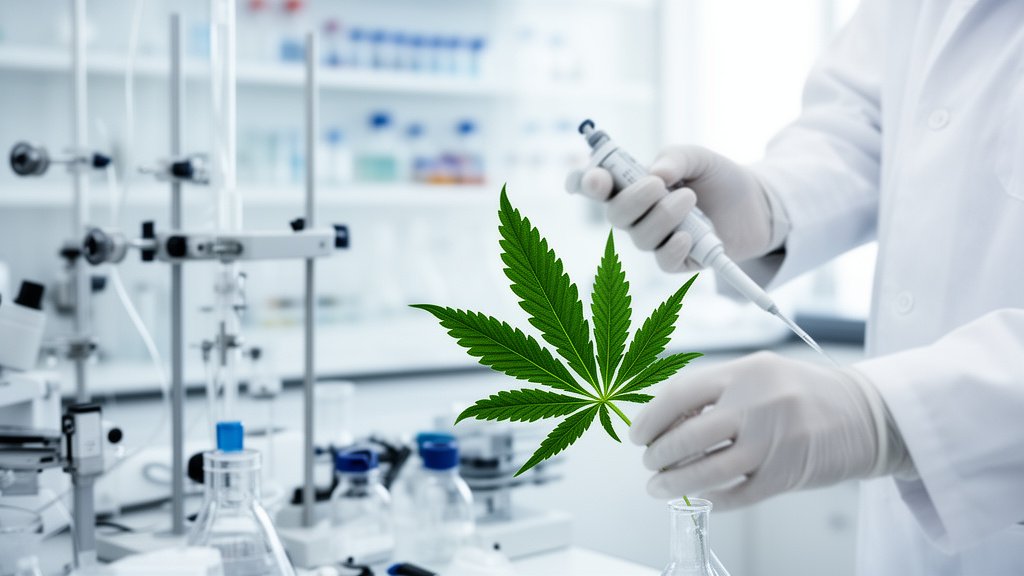
For decades, the pharmacological focus on cannabis has been almost exclusively on the phytocannabinoids—specifically Tetrahydrocannabinol (THC) and Cannabidiol (CBD). While these compounds have dominated research and consumer markets, the Stellenbosch University team, led by experts in phytochemical analysis, shifted their scope toward the ignored periphery: the leaf. Using advanced extraction and identification techniques, they successfully isolated flavoalkaloids.
Flavoalkaloids are complex organic molecules that blend the structural characteristics of flavonoids (known for antioxidant properties) and alkaloids (often biologically active, sometimes psychoactive, and highly valued in drug discovery). Finding these compounds in Cannabis sativa suggests that the plant’s chemical profile is significantly more complex than previously documented. Unlike the cannabinoids, which are largely concentrated in the glandular trichomes of the flower, these flavoalkaloids appear to be distributed within the fibrous leaf matter, which makes up the vast majority of the plant’s weight. This discovery effectively widens the definition of what constitutes ‘active’ cannabis, turning a massive waste stream into a potential raw material for high-value pharmaceutical extraction.
The Science of Flavoalkaloids: A New Therapeutic Frontier
To understand the significance of this discovery, one must look at the pharmacological nature of flavoalkaloids. In other plant species, these compounds have demonstrated potent biological activities, including anti-inflammatory, neuroprotective, and even anti-cancer effects. By identifying them in cannabis, researchers are opening the door to ‘cannabis-derived, non-cannabinoid’ medicine.
This is a critical pivot. Current pharmaceutical development within the cannabis space is often bottlenecked by regulatory hurdles associated with psychoactive compounds. If a medicine can be derived from cannabis leaves that leverages the anti-inflammatory power of flavoalkaloids without needing to navigate the complex legal frameworks surrounding THC, the speed to market for new drugs could accelerate dramatically. The Stellenbosch research provides the foundational analytical evidence that these molecules exist in sufficient concentrations to be extracted and purified, providing a roadmap for future clinical investigations into their therapeutic efficacy.
From Waste to Revenue: The Economic Paradigm Shift
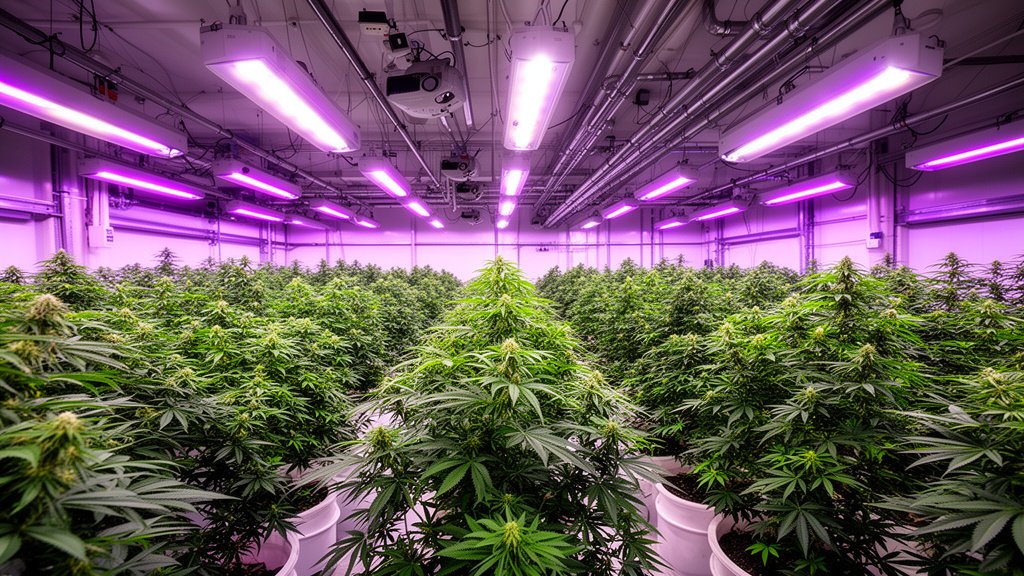
Currently, the cannabis industry operates on an ‘extraction and disposal’ model. Growers harvest the flower, process it for cannabinoids, and then dispose of thousands of tons of leaf and stalk material annually. This is not only an environmental inefficiency but a massive lost revenue opportunity.
If the cannabis leaf can be processed to extract valuable flavoalkaloids, it transforms the agricultural economics of the crop. A cannabis farm would no longer just be a supplier of flowers for the recreational or medical markets; it would become a dual-stream industrial operation. The leaves could be sold as a feedstock for pharmaceutical laboratories, effectively creating a ‘cradle-to-cradle’ lifecycle for the plant. This ‘bio-waste valorization’ could stabilize cannabis prices by providing growers with a secondary income stream, shielding them from the volatility often seen in the retail flower market.
Challenges in Industrial Extraction
Despite the promise, the road to commercializing this discovery is not without obstacles. Isolating specific, trace-level flavoalkaloids from the fibrous, complex matrix of a cannabis leaf requires sophisticated and expensive industrial technology. Unlike simple cannabinoid extraction—which often relies on CO2 or ethanol—isolating flavoalkaloids likely requires precision chromatography and advanced solvent systems.
Furthermore, the stability of these compounds during the drying and curing process remains an open question. If the flavoalkaloids degrade during the standard post-harvest handling of cannabis, farmers will need to invest in new, more specialized harvesting equipment to preserve the chemical integrity of the leaves. The pharmaceutical industry will also need to standardize these extracts. Currently, there is no standardized protocol for measuring or reporting flavoalkaloid content in cannabis batches, meaning the industry is starting from scratch in terms of quality control and regulatory compliance.
Future Pharmaceutical Horizons
Looking ahead, this discovery by Stellenbosch University is a reminder that our understanding of Cannabis sativa is still in its infancy. We have spent half a century obsessed with the ‘high’ and the ‘calm’—the psychoactive and anxiolytic effects of THC and CBD. We are only now beginning to look at the plant as a holistic chemical factory.
If the flavoalkaloids found in these leaves demonstrate the therapeutic profiles researchers suspect, we may see a future where cannabis farms are the primary suppliers for major pharmaceutical companies looking to develop treatments for chronic inflammation, autoimmune disorders, and neurodegenerative diseases. This discovery does not just add a footnote to the cannabis story; it reclaims the entire plant, proving that what we once threw away might hold the key to tomorrow’s medicine.
FAQ: People Also Ask
1. What are flavoalkaloids, and why are they important?
Flavoalkaloids are bioactive compounds that combine the traits of flavonoids and alkaloids. They are important because they possess unique chemical structures often associated with significant medicinal properties, such as anti-inflammatory, anti-cancer, and neuroprotective capabilities, distinct from the well-known cannabinoids like THC.
2. Does this mean smoking cannabis leaves will get you high?
No. Flavoalkaloids are not the same as THC. This research is focused on pharmaceutical extraction for medical applications, not recreational use. Smoking leaves remains an inefficient and likely ineffective way to access these specific compounds.
3. Is this discovery commercially available yet?
Not yet. The Stellenbosch University research is a foundational discovery phase. Moving this from a laboratory setting to a commercial, pharmaceutical-grade extraction process will require further development of extraction technologies and clinical trials to prove efficacy and safety.
4. How does this change the cannabis industry’s environmental footprint?
It significantly improves it. By ‘valorizing’ or finding value in the biomass (the leaves and stalks) that is currently considered agricultural waste, the industry can reduce the sheer volume of organic matter discarded, leading to more sustainable farming practices and a more circular economy.