The grueling reality of modern touring has long been romanticized as a lifestyle of excess, but for the average working musician, the reality is defined by repetitive strain injuries, chronic sleep deprivation, and the intense, persistent anxiety of life on the road. As the touring industry evolves, so too does the approach to health and wellness. A significant and growing trend is emerging: touring musicians are increasingly integrating medical cannabis into their health regimens, moving away from traditional, often addictive, pharmaceutical painkillers toward cannabinoid-based solutions to manage the physical and mental toll of constant travel.
The Physiological Toll of the Tour
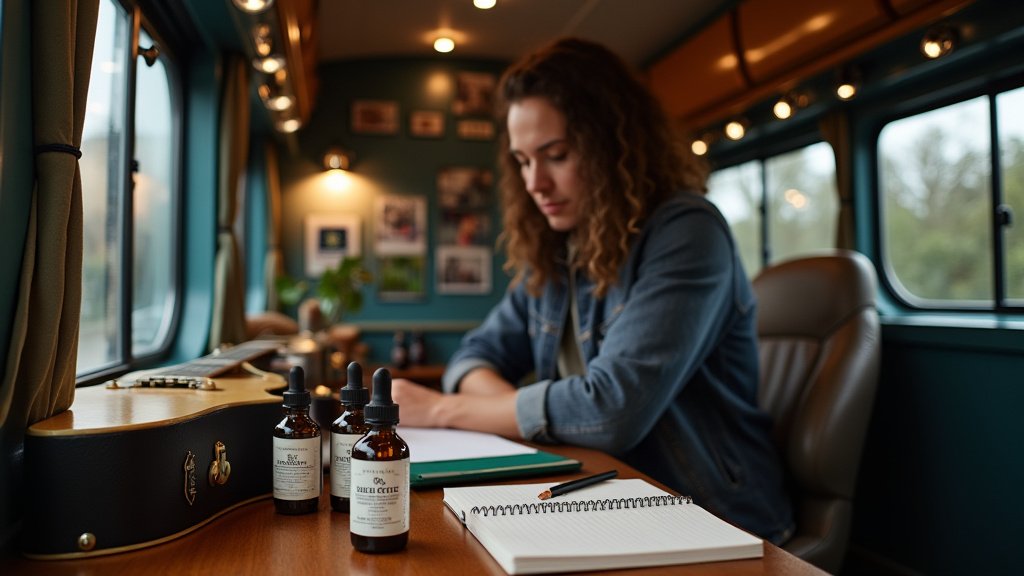
For musicians performing 150+ dates a year, the body is an instrument under constant stress. Drummers, guitarists, and vocalists alike face a high risk of musculoskeletal disorders. Tendonitis, carpal tunnel syndrome, and chronic lower back pain are occupational hazards that can threaten a career. Historically, this led to a reliance on NSAIDs (non-steroidal anti-inflammatory drugs) or, in extreme cases, opioid-based painkillers. Today, artists are reporting a pivot toward cannabis-infused topicals, tinctures, and CBD-heavy products. These products allow for targeted pain management without the cognitive impairment associated with older pharmaceutical alternatives, a critical requirement for performers who must remain sharp and focused during soundchecks and high-stakes evening shows.
Managing Mental Health in High-Pressure Environments
Beyond the physical, the mental health crisis in the music industry has reached a breaking point. The isolation of the tour bus, the pressure to maintain a social media presence, and the sheer unpredictability of travel schedules contribute to severe anxiety and insomnia. While cannabis is not a panacea, a growing cohort of touring artists is utilizing THC/CBD formulations—specifically curated for micro-dosing—to regulate sleep cycles and mitigate anxiety. Unlike the ‘rock and roll’ perception of recreational cannabis use, this trend is clinically oriented. Musicians are working with wellness coaches and nutritionists to develop precise cannabinoid protocols, treating cannabis as a physiological recovery tool rather than a recreational stimulant. This marks a paradigm shift in how the industry views touring health: from ‘party culture’ to ‘performance recovery.’
The Legal and Logistical Tightrope
Perhaps the greatest hurdle for the traveling musician is the legal patchwork of the United States. With cannabis laws varying wildly from state to state—and entirely prohibited at the federal level—touring artists face significant logistical challenges. Transporting cannabis across state lines remains a major legal liability, and international touring adds layers of complexity that often force musicians to abstain or find local, compliant sources. This legal ambiguity has spurred a demand for professional ‘tour wellness’ management. Tour managers are now tasked with ensuring that artists can access compliant, lab-tested products in legal jurisdictions, reflecting a broader professionalization of the tour bus environment.
Secondary Angles: The Future of Tour Wellness
1. Economic Impact on Performance: By reducing recovery time and minimizing chronic pain, cannabis usage is directly correlating to fewer cancelled shows. When artists can manage inflammation effectively, the financial stability of a tour—and the livelihoods of the entire crew—are better protected.
2. The End of the ‘Hard-Living’ Trope: Historically, the music industry fetishized burnout. The rise of wellness-focused cannabis use is part of a larger, systemic shift toward sustainability. Artists are now incentivized to maintain longevity, viewing their health as an asset to be managed rather than a resource to be burned.
3. Regulatory Predictions: As industry adoption grows, there is increasing pressure on tour venues to incorporate ‘green rooms’ that are truly wellness-oriented. We predict that in the next five years, major touring riders will include specific clauses regarding the sourcing and disposal of medical-grade wellness products, treating them as standard medical necessities on par with hydration or vocal care.
Industry Entities
- The Touring Professionals Alliance: An organization increasingly focused on safety and health standards for crews and artists.
- Medical Cannabis Regulatory Commissions: State-level bodies that are slowly normalizing the use of cannabis for ‘wellness’ and pain management, impacting local accessibility.
- The Endocannabinoid System (ECS): The biological target for these therapies; musicians are becoming better educated on how cannabis interacts with their own internal regulation systems.
FAQ: People Also Ask
Is medical cannabis usage replacing other pharmaceuticals on tour?
For many, yes. Artists are citing a desire to avoid the addictive potential and ‘brain fog’ of traditional painkillers, preferring cannabinoid formulations that provide relief without sacrificing cognitive performance.
How do touring musicians navigate different state laws regarding cannabis?
It is a complex, state-by-state process. Most professional tours now employ rigorous compliance protocols, essentially treating cannabis as a strictly local procurement issue to avoid federal interstate trafficking violations. Artists typically rely on state-licensed dispensaries in each tour stop.
Is this trend backed by medical research or just anecdotal evidence?
While anecdotal evidence from musicians is the primary driver of this current trend, it is supported by broader medical research into the efficacy of cannabinoids for managing chronic pain and anxiety. However, the specific, high-intensity application for touring schedules is currently an emerging field of ‘performance health’ that requires more longitudinal study.