Connecticut’s cannabis industry is set to undergo a rigorous operational shift as the Department of Consumer Protection (DCP) implements a series of significant Legislative Updates Effective October 1, 2026. These regulatory adjustments represent a concerted effort to tighten oversight within the state’s medical and recreational markets, specifically targeting the vulnerabilities inherent in product transport and the technical nuances of laboratory processing. As facilities across the state prepare for these compliance deadlines, stakeholders are recalibrating their logistical infrastructure to align with the state’s heightened security and safety benchmarks.
Key Highlights
- Enhanced Transport Security: New mandates require upgraded security equipment specifications for all cannabis transport vehicles to prevent diversion and improve chain-of-custody tracking.
- Refined Laboratory Protocols: Updated guidelines for laboratory remediation processes establish stricter thresholds for how contaminants are managed and cleared for consumer safety.
- Processing Tool Standards: New operational standards for processing tools require recalibration and certification to ensure technical compliance with updated facility-wide regulations.
- Compliance Timeline: All affected cannabis establishments must achieve full compliance with these legislative updates by the October 1, 2026, activation date.
Navigating Connecticut’s Enhanced Cannabis Compliance Framework
The landscape of the Connecticut cannabis market has always been defined by a conservative, safety-first regulatory approach. With the upcoming adjustments from the Department of Consumer Protection, the state is signaling a move toward more granular oversight, particularly regarding the physical and technical integrity of the supply chain. These changes, effective October 1, 2026, are not merely administrative; they necessitate capital investment, operational retraining, and a fundamental shift in how transport and laboratory remediation are executed at the ground level.
Hardening the Supply Chain: Transport Security Mandates
The most visible impact of the new regulations concerns the movement of cannabis products. Historically, transport security has been governed by general guidelines, but the October 1 updates introduce highly specific security equipment specifications for transport vehicles. This shift acknowledges the increasing scale of the industry and the heightened risk profile as volume increases.
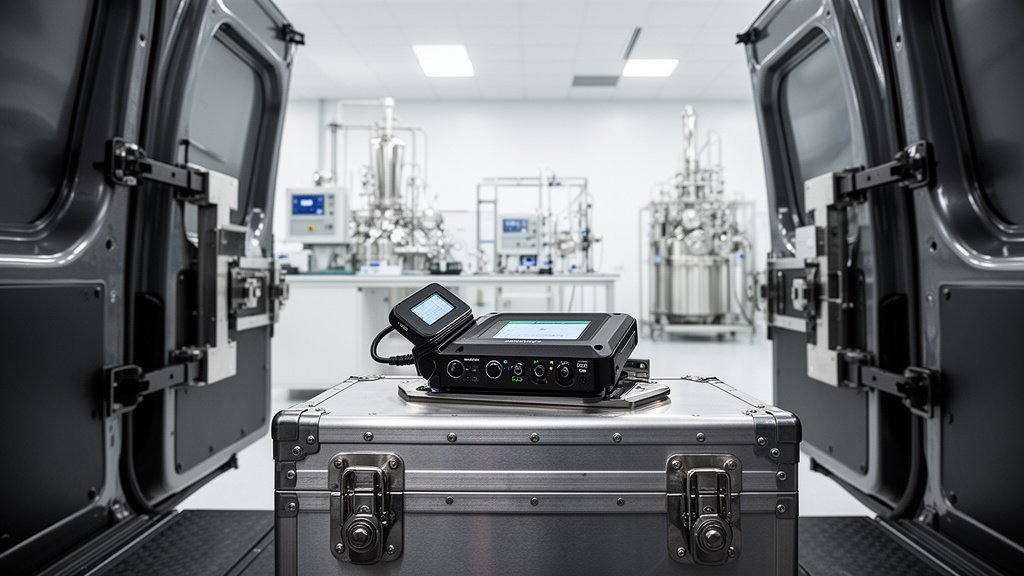
Under the new directives, transport fleets must integrate advanced GPS tracking systems that provide real-time, tamper-proof telemetry data to state regulators. Furthermore, the physical specifications for vehicles have been tightened; compartments must now meet upgraded armor and lock-mechanism standards that were previously recommended but are now mandatory. For logistics managers, this means significant retrofitting of existing fleets. The DCP’s focus here is explicit: minimize the potential for diversion by ensuring that the “last mile” of the cannabis supply chain is as secure as the processing facilities themselves.
Laboratory Integrity: Advancing Remediation Protocols
Equally critical to the DCP’s new directive is the overhaul of laboratory remediation protocols. As testing requirements for contaminants—such as yeast, mold, and heavy metals—have matured, the state has identified inconsistencies in how products are remediated. The new protocols standardize the equipment and the chemical or physical processes utilized during the remediation phase.
This shift is designed to ensure that when a product is flagged for remediation, the process used to bring it back to a passable state does not strip the product of its essential profile or introduce new chemical hazards. Facilities that perform their own remediation will now be required to use specific, state-certified processing tools that have been vetted for precision and safety. This change forces a convergence in the industry: all labs, regardless of their internal proprietary methods, must now operate under a unified, state-sanctioned technical framework.
Operational Compliance and Economic Impact
The economic implications of these updates are substantial. By mandating upgrades to hardware—whether it be the telematics on a transport van or the extraction equipment in a remediation lab—the DCP is effectively increasing the cost of entry and operation in Connecticut. However, proponents of the new legislation argue that these costs are outweighed by the long-term benefit of consumer trust. In a market that is still maturing, public perception of product safety is the primary currency.
For smaller operators, the burden of these updates may be significant. There is a tangible fear that the cost of compliance could stifle small-scale businesses that lack the capital reserves of larger multi-state operators (MSOs). Conversely, industry analysts suggest that these rigorous standards will ultimately professionalize the market, weeding out inconsistent operators and creating a level playing field where safety and quality are non-negotiable metrics of success. The transition period between now and October 1, 2026, will be a defining era for CT-based firms to prove their adaptability.
FAQ: People Also Ask
Q: What happens if a facility cannot meet the October 1, 2026, deadline?
A: Facilities that fail to comply with the new security and remediation mandates risk license suspension or the inability to transport and distribute product until certifications are validated by the Department of Consumer Protection.
Q: Do the new transport security rules apply to small-batch craft growers?
A: Yes. The regulatory shift is comprehensive. Regardless of business size, all entities involved in the physical transport of cannabis must adhere to the new security equipment specifications outlined by the DCP.
Q: How does the new remediation protocol affect final product pricing?
A: While it is too early to predict exact price fluctuations, the increased capital expenditure required for compliant remediation equipment may create temporary upward pressure on operational costs for cultivators and processors. However, this is expected to stabilize as standardized best practices are adopted across the board.