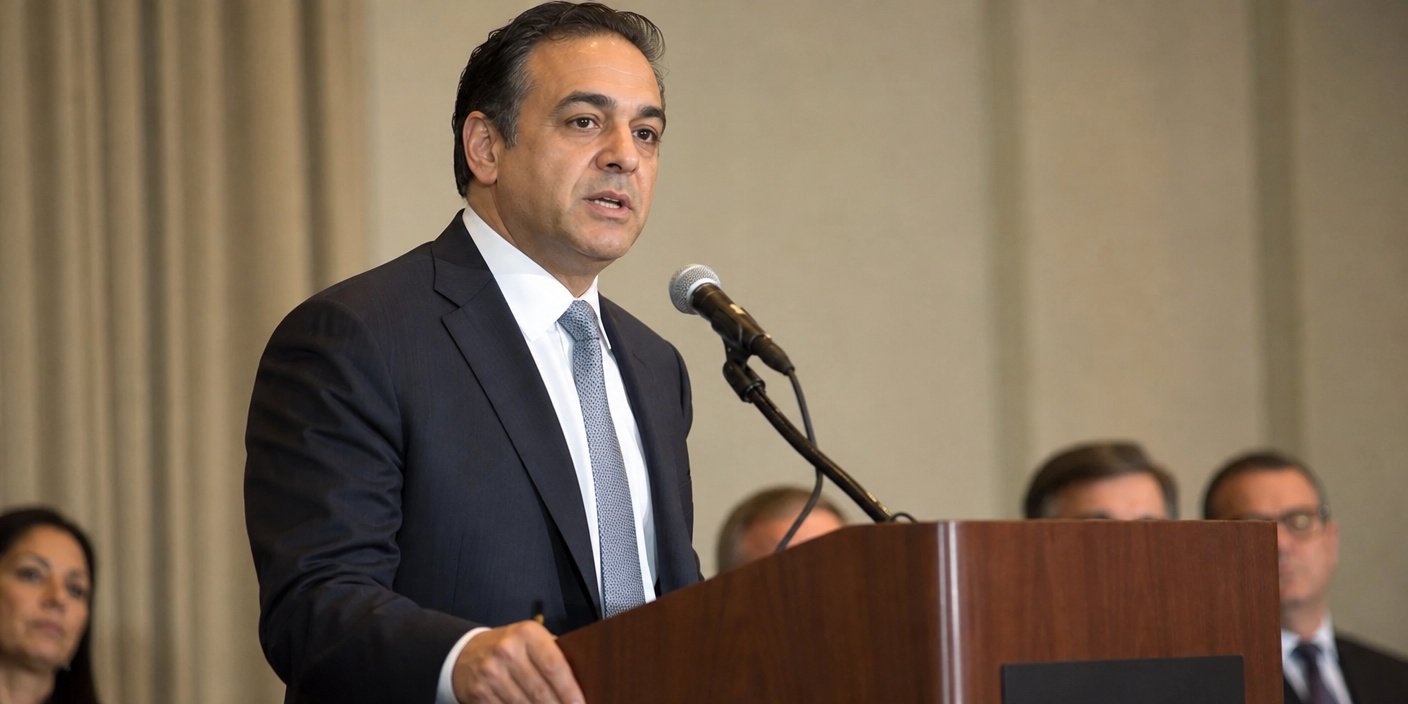
The Drug Enforcement Administration (DEA) has formally announced an updated procedural timeline regarding federal cannabis rescheduling, signaling a significant shift in the trajectory of U.S. drug policy reform. While the initiative to move cannabis from Schedule I to Schedule III under the Controlled Substances Act (CSA) has been the subject of intense national attention, the agency has confirmed that final determinations will not be reached in late 2026, as originally anticipated by some stakeholders. Instead, the process has been extended well into 2027. This adjustment reflects the immense administrative burden and the unprecedented volume of public input the agency must process before a final rule can be codified.
Key Highlights
- Timeline Adjustment: The DEA has pushed the conclusion of the rescheduling review process, with final determinations now expected in 2027.
- Administrative Complexity: The shift is driven by the necessity of a thorough review of thousands of public comments and compliance with the Administrative Procedure Act.
- Schedule III Goal: Despite the delay, the fundamental objective—reclassifying cannabis from the highly restrictive Schedule I to the less restrictive Schedule III—remains the current stated policy goal of the Department of Justice (DOJ).
- Regulatory Thoroughness: The agency emphasized that the delay is a functional requirement to ensure the final rule withstands potential legal challenges.
The Anatomy of a Regulatory Delay
The rescheduling of cannabis represents one of the most complex regulatory undertakings in the history of the Controlled Substances Act. When the Department of Health and Human Services (HHS) initially recommended that the DEA reschedule cannabis, it set off a chain reaction of procedural requirements that the federal bureaucracy is currently navigating. The core reason for the 2027 timeline shift lies in the sheer volume of public participation. The DEA is not merely tasked with making a decision; it is legally obligated to read, categorize, and respond to significant portions of the massive influx of public comments received during the open comment period.
Under the Administrative Procedure Act, federal agencies must ensure that their decision-making process is not considered ‘arbitrary and capricious.’ This requires a meticulous paper trail that links the final agency rule to the evidence presented. Because cannabis policy is a matter of intense public and professional debate, the DEA must provide a defensible record that accounts for conflicting scientific data, medical claims, and economic impact assessments. By extending the timeline into 2027, the agency is likely attempting to build a robust evidentiary wall around its final decision to minimize the risk of a successful lawsuit from opponents of the rescheduling effort.
Economic Implications for the Industry
For the legal cannabis industry, this delay represents a continuation of the status quo that many businesses were hoping to resolve by late 2026. The primary economic driver behind the move to Schedule III is the potential exemption from Section 280E of the Internal Revenue Code. Currently, 280E prevents cannabis companies from deducting standard business expenses, effectively creating a significantly higher tax burden compared to other industries.
Investors and multi-state operators (MSOs) had built financial models anticipating that a Schedule III designation would arrive in the near term. The 2027 delay introduces a period of ‘capital limbo.’ Companies must now adjust their cash-flow projections, potentially slowing expansion plans and R&D investment. While the long-term outlook remains positive for those betting on federal reform, the short-term reality is a prolonged period of operating under the existing, punitive tax structure. Analysts suggest that the market will likely experience increased volatility as publicly traded cannabis firms adjust their guidance to account for the extended timeline.
Legal Challenges and Political Turbulence
Beyond the administrative hurdles, there is the undeniable shadow of legal and political maneuvering. The federal rescheduling of cannabis is not occurring in a vacuum. It is deeply entwined with broader questions about executive authority and the separation of powers. There is a palpable concern within the legal community that even after the DEA concludes its internal process in 2027, the rule could be subject to immediate litigation.
Opponents of rescheduling, including various advocacy groups and potentially certain state-level stakeholders, have signaled a willingness to challenge the DOJ’s authority to unilaterally shift the classification of a controlled substance. If such a lawsuit were to occur, it could trigger an injunction, further delaying the actual implementation of Schedule III. The DEA’s decision to move the timeline to 2027 is, in part, a strategic maneuver to ensure that the final rule is as airtight as possible before it is subjected to the inevitable scrutiny of the federal court system.
FAQ: People Also Ask
Q: Why does the DEA need so much time to reschedule cannabis?
A: The DEA must follow the Administrative Procedure Act, which mandates a comprehensive review of all scientific evidence and public comments. Given the contentious nature of cannabis regulation, the agency must construct a legally defensible record to survive potential judicial challenges, which is a time-consuming process.
Q: Does this delay mean the rescheduling effort has failed?
A: No. The DEA has not abandoned the process. The shift to 2027 is a procedural timeline adjustment to manage the administrative workload and ensure legal compliance, rather than an indication of a change in policy direction or intent.
Q: How does this delay affect 280E tax relief for cannabis companies?
A: Until the final rule is published and takes effect, Section 280E remains in full force. The delay effectively pushes the timeline for potential tax relief into 2027, forcing cannabis businesses to maintain current tax accounting practices for a longer duration.