A recent performance audit conducted by the Colorado Office of the State Auditor (OSA) has cast a spotlight on the oversight mechanisms governing the state’s multi-billion dollar cannabis industry. The report, which scrutinized the Marijuana Enforcement Division (MED), identified critical gaps in the regulatory framework responsible for product safety testing. At the heart of the findings is the absence of a functional state-operated reference laboratory, a deficiency that audit experts argue undermines the state’s ability to independently verify the accuracy and integrity of testing results reported by licensed third-party facilities.
The Regulatory Void: Lack of State Reference Lab
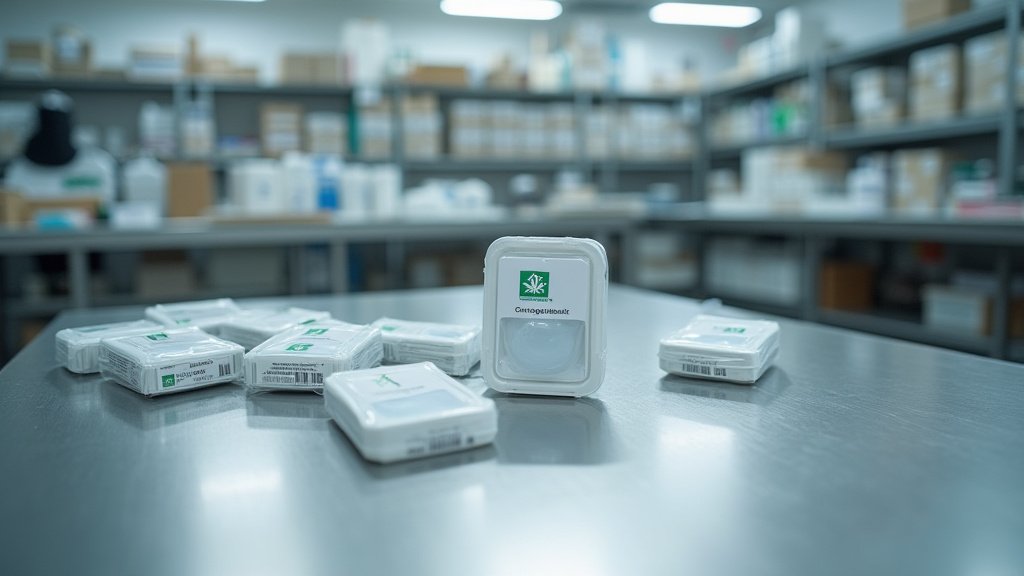
The most pressing concern highlighted by the OSA is the MED’s inability to perform independent, standardized verification of testing results. Currently, the Colorado market relies on a system of private, licensed laboratories to test products for potency, contaminants, pesticides, and residual solvents. While these private labs are subject to state licensure, the audit revealed that the MED lacks the technical infrastructure—specifically, a state-run reference lab—to conduct spot checks or cross-verify data. Without this, the state is forced to rely on the self-reported data of the entities it is supposed to regulate. This creates an “information asymmetry,” where the regulator cannot definitively prove whether a test result is accurate or flawed, leaving the consumer vulnerable to potential health hazards.
Assessing Consumer Health Risks
The implications of these audit findings are significant for the average consumer. Cannabis products are regularly screened for harmful substances, including heavy metals, microbials, and pesticides. If a private lab makes an error—whether due to lack of calibration, human error, or procedural shortcuts—and the state lacks the mechanism to catch that error, contaminated products may inadvertently reach retail shelves. The OSA report emphasizes that these safety gaps are not merely bureaucratic failures; they translate directly into potential health risks. Consumers rely on the “tested” label as a guarantee of safety, yet the audit suggests that this guarantee lacks the rigorous “ground truth” verification required for high-stakes consumer goods.
Historical Context: The Evolution of MED
To understand the gravity of these findings, one must look at the historical trajectory of Colorado’s marijuana regulatory framework. Since the legalization of recreational marijuana in 2012, the state has undergone a rapid, unprecedented expansion. The MED was tasked with building a regulatory structure from the ground up, moving from an illicit-market model to a highly structured, legal, and taxed industry. For years, the priority was operational viability—licensing, tax collection, and preventing diversion to the black market. Product safety protocols, while present, were often playing catch-up to the explosive growth of the industry. The current audit represents a “maturation phase” finding, where the focus shifts from basic legalization to the enforcement of high-level quality assurance that mirrors traditional food and drug safety standards.
Economic Implications for Colorado’s Cannabis Market
There is also an economic dimension to this regulatory gap. The cannabis industry in Colorado thrives on brand trust and market integrity. Incidents of product recalls or public health scares due to contaminated goods have historically cratered demand and damaged the reputation of the sector. For legitimate, high-compliance businesses, the lack of a strong state reference lab is a double-edged sword. On one hand, they desire clear rules and standardized testing. On the other, if the state were to implement a sudden, draconian testing overhaul without adequate transition periods, the costs of compliance could become prohibitive for smaller players, effectively creating a barrier to entry that favors larger, more capitalized corporations. The audit urges a balanced approach: establishing the reference lab is essential, but it must be managed to ensure market stability.
The Roadmap for Compliance: Next Steps
Following the publication of the audit, the pressure is now on the Colorado Department of Revenue and the MED to map out a clear roadmap for improvement. The recommendations are explicit: the state must move toward a model where it can audit the auditors. This likely involves not just the creation of a physical state laboratory, but also the development of a standardized “check-sample” program, where the state periodically submits blinded samples to private labs to ensure their results align with expected outcomes. This shift toward “evidence-based” regulation will require legislative support and potentially significant budget allocations to staff and equip a state-run facility that can compete with the technical precision of the private sector.
Exploring the Technical Challenges
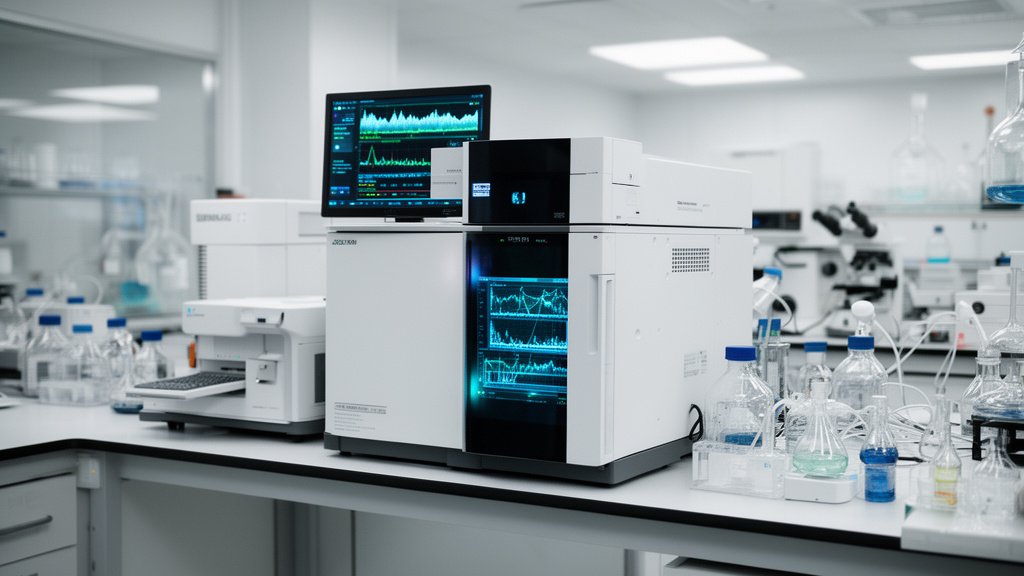
The technical barriers to creating such a lab are non-trivial. Cannabis testing is complex; it involves sophisticated analytical chemistry techniques like high-performance liquid chromatography (HPLC) and gas chromatography-mass spectrometry (GC-MS). Achieving consistent results across different laboratory environments is a well-known challenge within the scientific community, even for established industries like pharmaceuticals. Colorado faces the unique hurdle of implementing these high-level scientific protocols in a legal environment that is still evolving at both the state and federal levels. As the state moves forward, the collaboration between the scientific community, state regulators, and the industry will be the ultimate determinant of whether these “gaps” can be successfully closed to protect the public health.