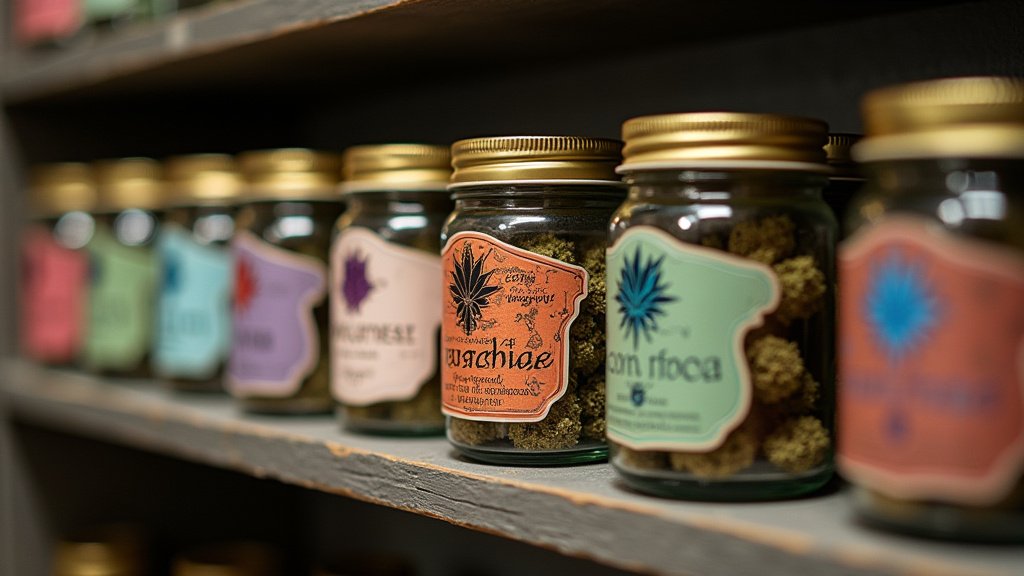
Cannabis has come a long way from being a demonized drug to a multi-billion-dollar industry, supported by both research and legislation. As someone who enjoys cannabis and writes about it, I’ve observed how this once-taboo plant is now celebrated in mainstream conversations. It’s surreal, yet refreshing, to witness such a cultural shift. What used to be an underground hobby has grown into a thriving and influential part of society. Whether you’re a seasoned smoker or just curious about cannabis, understanding its current status, benefits, and lingering stigmas is essential for appreciating how far we’ve come—and where we’re going next.
The Journey to Legalization
Cannabis legalization is one of the most significant social movements of the 21st century. What began as isolated victories in states like Colorado and Washington in the early 2010s has become a nationwide phenomenon in the U.S., with over 20 states legalizing recreational use. But it’s not just an American trend—countries like Canada, Uruguay, and Malta have fully embraced legal cannabis, while others such as Germany and Mexico are considering the same path.
In the U.S., the federal government still classifies cannabis as a Schedule I substance, lumped in with drugs like heroin, which creates a disconnect between federal law and state-level policies. This schism creates its own unique set of problems. For example, while cannabis is legal in many states, the industry struggles with banking restrictions, and business owners often find themselves unable to secure loans or even open bank accounts. This forces many cannabis businesses to operate in cash, which brings its own set of challenges around safety and transparency.
But the cultural shift toward legalization isn’t just a policy issue—it’s a reflection of how society has re-evaluated cannabis itself. More and more people have come to see it as a plant that offers recreational pleasure and potential therapeutic benefits, instead of a dangerous narcotic. The public’s growing acceptance of cannabis use is often reflected in media portrayals that show it as something far more benign than previous generations were led to believe.
The Rise of Cannabis as Medicine
For years, one of the major arguments for legalization has been cannabis’s potential medical benefits. And now that the plant is more widely available, research into its therapeutic uses has exploded. Cannabis is increasingly being used to treat chronic pain, anxiety, epilepsy, PTSD, and even cancer-related symptoms.
A key component of cannabis’s medicinal value lies in its cannabinoids—chemical compounds found in the plant. The two most well-known cannabinoids are THC (tetrahydrocannabinol) and CBD (cannabidiol), each with different effects on the body. THC is the psychoactive component that gives users that famous “high,” while CBD is non-psychoactive and often used for its calming and anti-inflammatory properties.
Medical cannabis patients report success in treating conditions that traditional medications sometimes fail to address. Take chronic pain, for example. Opioids, the typical prescription, come with a laundry list of side effects and the potential for addiction. Cannabis, on the other hand, has proven to be a safer, more sustainable alternative for many.
That said, the research into cannabis’s medical benefits is still in its infancy. Federal restrictions have limited large-scale studies, and while there is promising evidence for cannabis as medicine, the scientific community is still cautious. But as more studies emerge and restrictions loosen, the medical marijuana market is only poised to grow.
Cannabis Culture: More Than Just Getting High
For those of us who enjoy cannabis recreationally, the culture around it has always been one of camaraderie and relaxation. Whether you’re passing a joint among friends, experimenting with edibles, or exploring concentrates like shatter or wax, the experience tends to foster creativity, open-mindedness, and, let’s face it, laughter.
Cannabis culture today is a far cry from the stoner stereotypes of yesteryear. No longer confined to dark basements or dingy couches, the modern cannabis user might frequent trendy dispensaries that resemble high-end boutiques or attend cannabis-infused yoga classes that blend mindfulness with marijuana. As legalization spreads, so too does the diversification of cannabis products and the way we consume them.
Edibles, in particular, have seen a massive boom. Gummies, chocolates, infused beverages, and even cannabis-infused olive oil can now be found in dispensaries across legal states. For those who don’t like smoking or are health-conscious, these products provide an alternative way to enjoy cannabis without lung irritation.
What’s more, the world of cannabis consumption is becoming increasingly sophisticated. The rise of vaporizers, concentrates, and customizable strains allows users to dial in the exact experience they want—whether that’s a cerebral, creative high or a mellow body relaxation. In short, cannabis has grown up, and so has the culture around it.
The Business of Weed: Booming but Complex
The cannabis industry is booming, projected to reach over $100 billion globally by 2030. This rapid growth has attracted everyone from mom-and-pop growers to venture capitalists looking to cash in on the green rush. Dispensaries are popping up in legalized states at an unprecedented rate, and ancillary businesses—think cannabis-themed subscription boxes, high-end accessories, and grow equipment—are flourishing.
But this industry is also incredibly complicated. Regulatory hurdles, tax issues, and the banking problem mentioned earlier make navigating the business side of cannabis tricky. Entrepreneurs in the cannabis space often face higher operational costs due to strict compliance measures and are typically subject to much higher tax rates than non-cannabis businesses.
Still, the business is thriving, with an increasing number of mainstream brands dipping their toes into the cannabis market. Celebrities from Jay-Z to Seth Rogen have launched their own cannabis lines, and major corporations like Constellation Brands (the parent company of Corona beer) are investing heavily in cannabis companies. The melding of mainstream culture and cannabis is hard to ignore—and it’s creating opportunities for more than just consumers.
Stigma: Still Lingering but Fading
Even though cannabis is increasingly accepted, the stigma surrounding its use lingers, especially in professional settings. Many users still fear being labeled as lazy or unmotivated, which couldn’t be further from the truth. Cannabis enhances creativity, helps people unwind, and for some, even boosts productivity. We all know that one successful person—an artist, entrepreneur, or techie—who smokes a joint before diving into their most creative work.
However, not everyone is on board with cannabis being normalized. Critics argue that the plant can lead to dependence or serve as a gateway drug. While cannabis addiction is a real issue for a small percentage of users, research shows it’s far less addictive than substances like alcohol or opioids. The “gateway drug” theory, too, has been widely debunked, with most experts agreeing that environmental factors and personal choices play a larger role in escalating drug use.
As we continue to push for full legalization and normalization, it’s important to be mindful of these concerns. Legalization isn’t a magic bullet—education about responsible use, potential risks, and benefits is key to making cannabis an accepted part of society without perpetuating harmful stereotypes or behaviors.
The Future of Cannabis: Where Do We Go From Here?
Looking ahead, the future of cannabis is bright but uncertain. On the one hand, we’re likely to see federal legalization in the U.S. within the next decade, opening up opportunities for the industry to flourish even further. On the other hand, the cannabis market is becoming increasingly corporate, which has some long-time advocates worried about the plant being commodified and losing its cultural roots.
Nonetheless, cannabis is here to stay, and the way we approach it—whether recreationally, medicinally, or as a business opportunity—will continue to evolve. The key is to keep pushing for responsible use, education, and accessibility, so that cannabis can truly be enjoyed by all, without the burdens of stigma or over-regulation.
In the meantime, I’ll be lighting up and enjoying this moment in cannabis history—because honestly, it’s about time.