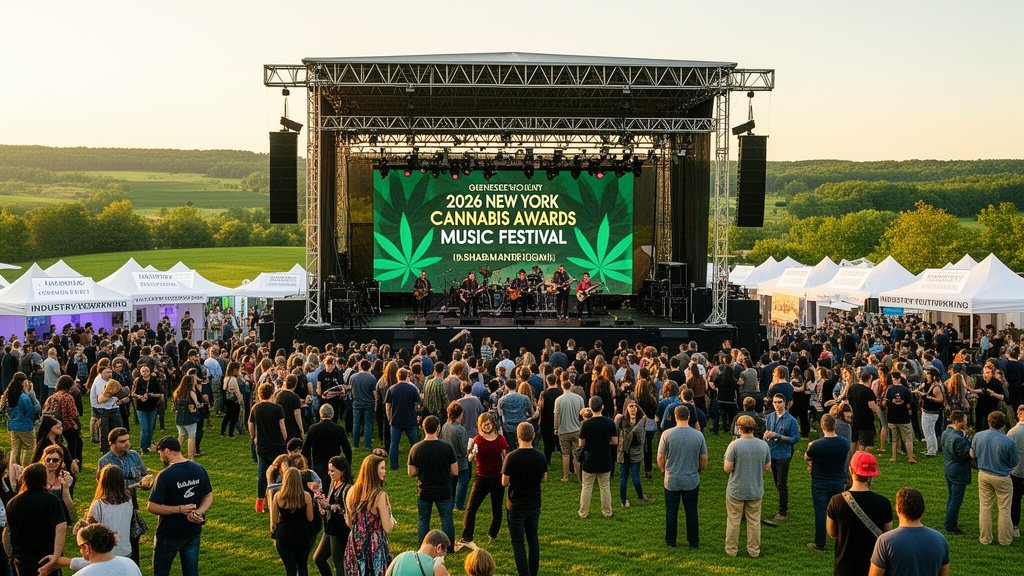
On August 29, 2026, the Shaman Center in Basom, New York, transformed into the epicenter of the regional cannabis industry. The New York Cannabis Awards Music Festival returned for another highly anticipated installment, drawing industry professionals, advocates, and music fans from across the state. The event served as both a celebration of the rapidly maturing legal cannabis market in New York and a vital networking hub, emphasizing the intersection of local economic development, artistic expression, and community-driven industry standards.
Key Highlights
- Event Date & Location: The festival was hosted on August 29, 2026, at the Shaman Center in Basom, solidifying the venue’s position as a premier regional hub for large-scale industry events.
- Industry Integration: The festival functioned as a dual-purpose gathering, blending professional networking opportunities for cannabis industry contributors with live musical performances for the general public.
- Economic & Cultural Focus: The program prioritized local artists and regional industry professionals, reinforcing the commitment to community appreciation and the growth of New York’s indigenous cannabis supply chain.
- Strategic Growth: The return of the festival to Basom highlights the increasing decentralization of New York’s cannabis events, moving beyond major urban centers to impact suburban and rural regional economies.
Cultivating Culture: Inside the 2026 Shaman Center Milestone
The 2026 New York Cannabis Awards Music Festival was far more than a simple concert series or industry trade show; it represented a strategic convergence of commerce and counter-culture. By returning to the Shaman Center in Basom, organizers signaled a continued investment in the Genesee County region, leveraging the facility’s unique infrastructure to host an event that required both the technical capabilities for complex stage production and the secure zoning necessary for cannabis-related industry exhibitions.
A Convergence of Commerce and Art
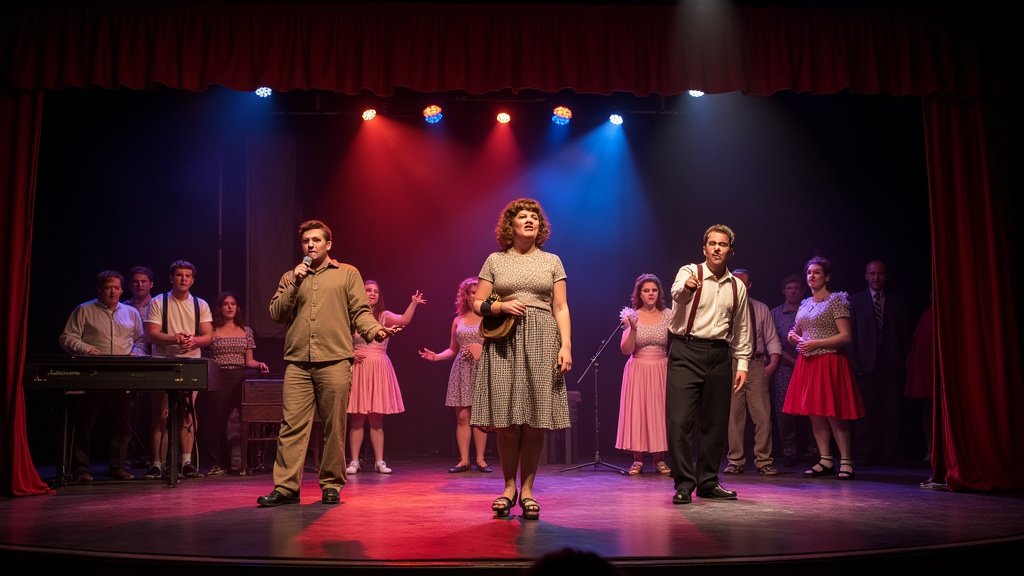
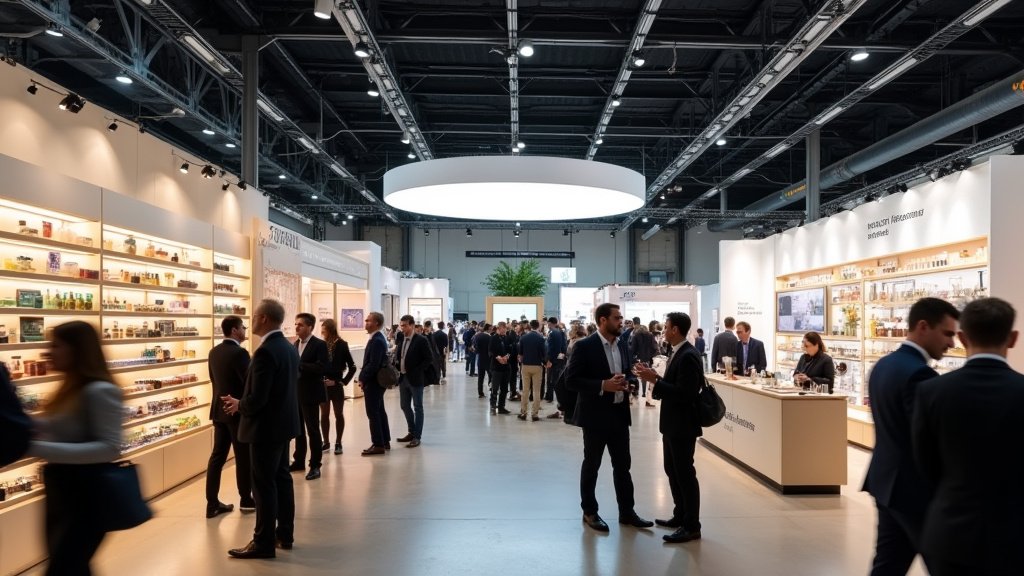
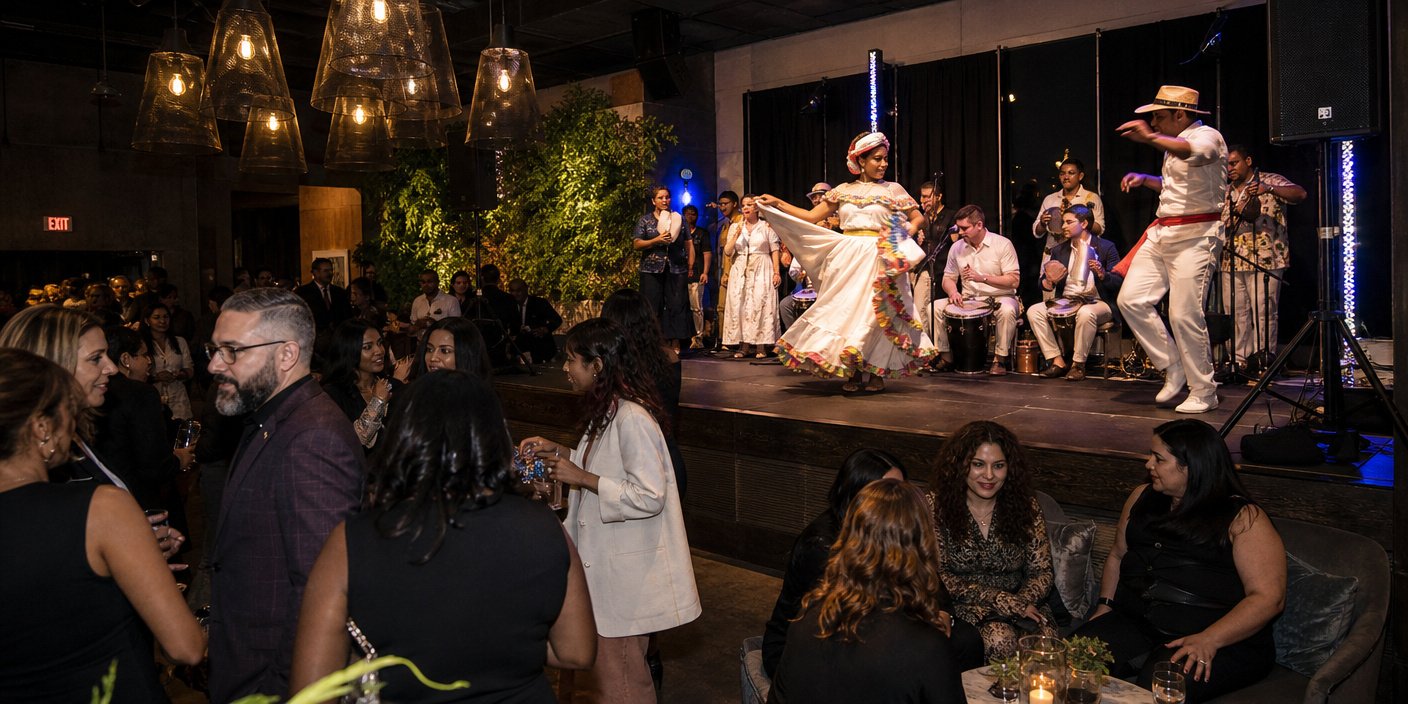
At the core of this year’s festival was the synthesis of professional development and live entertainment. Throughout the day, the Shaman Center grounds hosted curated panels and networking lounges where entrepreneurs, cultivators, and dispensary owners discussed the nuances of New York’s regulatory landscape. These professional interactions were seamlessly balanced by a rotating lineup of local artists who brought the stage to life. This duality—treating cannabis as a legitimate, sophisticated industry while honoring its deep roots in artistic and musical subcultures—is the defining characteristic of the New York Cannabis Awards brand.
Industry insiders noted that the 2026 edition felt more mature than previous years. The dialogue shifted from mere survival and early-stage licensing hurdles to sustainable growth, long-term branding, and community integration. The presence of regional industry contributors was palpable, as the festival provided a rare “neutral ground” where competitors could share best practices and forge alliances to strengthen the state’s overall market position against national competitors.
Economic Impact on the Basom Corridor
Choosing Basom as the host site remains a tactical masterstroke. By avoiding the saturated markets of NYC or Buffalo, the festival created a significant economic ripple effect in a smaller municipality. Local businesses in the vicinity of the Shaman Center reported a noticeable uptick in foot traffic, hospitality bookings, and service-sector activity throughout the week leading up to the festival. This decentralization model serves as a blueprint for other emerging industries in New York State: proving that large-scale events can thrive in “secondary” locations, provided there is adequate infrastructure and a strong logistical plan.
Furthermore, the festival acted as an incubator for local vendors. Unlike national touring festivals that rely on large, external supply chains, the New York Cannabis Awards Music Festival prioritized regional artisans, food trucks, and craft service providers. This localized approach ensured that the economic benefits of the festival remained within the county, fostering goodwill among local residents and demonstrating the positive tangible impact of the cannabis industry.
The Future of Cannabis Tourism
As the industry matures, the “Cannabis Festival” concept is shifting toward a model of “Cannabis Tourism.” The success of the 2026 event suggests that consumers are increasingly looking for curated, safe, and experiential environments. The Shaman Center’s success in hosting this event highlights the potential for future development: the creation of dedicated “cannabis-friendly” tourism zones where culture, music, and education can coexist. For industry watchers, the trajectory is clear: the New York Cannabis Awards Music Festival is not just a party; it is a vital organ in the developing body of New York’s agricultural and entertainment economy.
Looking ahead to 2027, the challenge for organizers will be scalability. How do they maintain the intimate, community-focused vibe that made the 2026 event successful while accommodating the inevitable growth in attendance? If the organizers continue to leverage the Shaman Center’s assets and maintain their focus on regional integrity, the festival is well-positioned to remain the cornerstone event for New York’s cannabis calendar.
FAQ: People Also Ask
Q: Why was the Shaman Center chosen for this event?
A: The Shaman Center offers the unique combination of physical space, infrastructure, and regional zoning compatibility required for a large-scale event involving industry exhibitions and live music. Its location in Basom also provides a central point for attendees traveling from across Western and Central New York.
Q: Who is the target audience for the New York Cannabis Awards Music Festival?
A: The festival targets a dual demographic: cannabis industry professionals (including licensed cultivators, processors, and retailers) and music enthusiasts who support the local arts scene and the legal cannabis culture in New York State.
Q: How does this festival impact the local Basom economy?
A: The event drives significant “event tourism,” benefiting local hospitality, retail, and service businesses. By prioritizing local vendors and suppliers for the festival’s infrastructure, the event ensures that revenue stays within the local Genesee County economy.
Q: Will the festival return to Basom in 2027?
A: While official dates for 2027 have not been announced, the organizers have expressed high satisfaction with the 2026 turnout and the partnership with the Shaman Center, making a return to the location a strong possibility.