Legal cannabis is profoundly reshaping music culture in 2026, influencing everything from artist creation and fan experiences to the business models of the industry. As more regions legalize, the intertwining of cannabis and music continues to deepen, fostering new creative avenues and economic opportunities.
Key Highlights:
- Increased artist exploration of cannabis-themed content and branding.
- Emergence of cannabis-friendly music venues and events.
- New sponsorship and partnership opportunities between cannabis and music companies.
- Evolving fan culture with a greater acceptance and integration of cannabis consumption.
- Regulatory landscapes continue to adapt, creating both challenges and opportunities.
The Harmonious Blend: Cannabis and Contemporary Music
The integration of cannabis into music culture is no longer a fringe phenomenon but a mainstream force driving innovation and artistic expression in 2026. From hip-hop’s historical ties to the plant to its current widespread acceptance across genres, legal cannabis has unlocked new creative potentials and economic avenues for artists and the industry alike. This evolving relationship is visible in lyrical content, artist-owned cannabis brands, and the very infrastructure of live music experiences. As legislative changes continue to sweep across North America and beyond, the music industry is actively adapting, finding novel ways to engage with this burgeoning market and its associated culture.
Creative Expression and Artist Branding
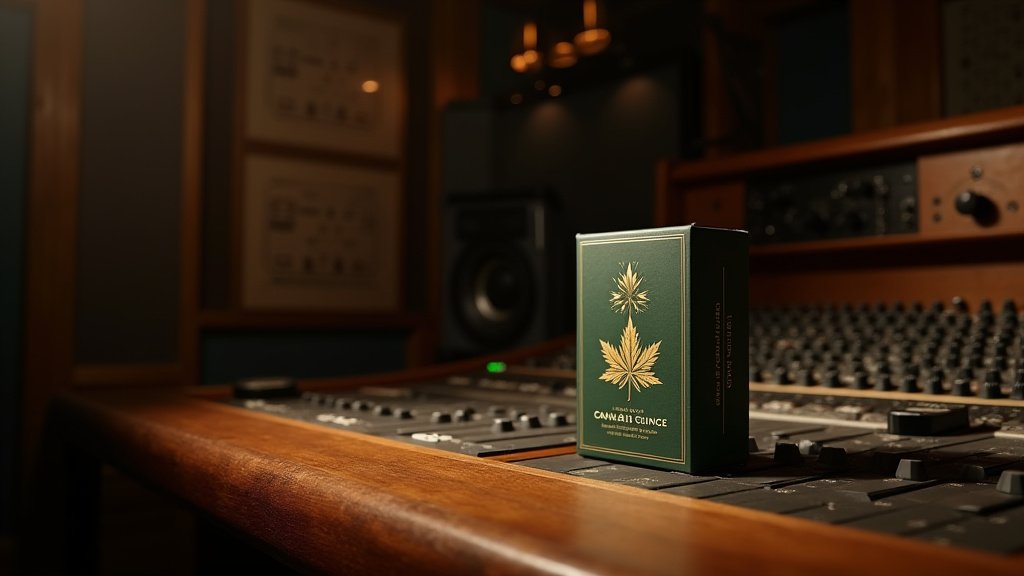
Musicians are increasingly leveraging cannabis as a muse and a business venture. Lyrically, themes of cannabis consumption, relaxation, and altered perception are more prevalent and openly discussed than ever before. Beyond lyrical content, many artists are launching their own cannabis brands, capitalizing on their fame to enter a rapidly growing market. These ventures range from curated strains and edibles to lifestyle products, allowing artists to connect with their fans on a different level and diversify their income streams. This trend reflects a broader cultural shift towards destigmatizing cannabis and embracing it as a tool for creative enhancement and personal well-being.
Evolving Live Music Experiences
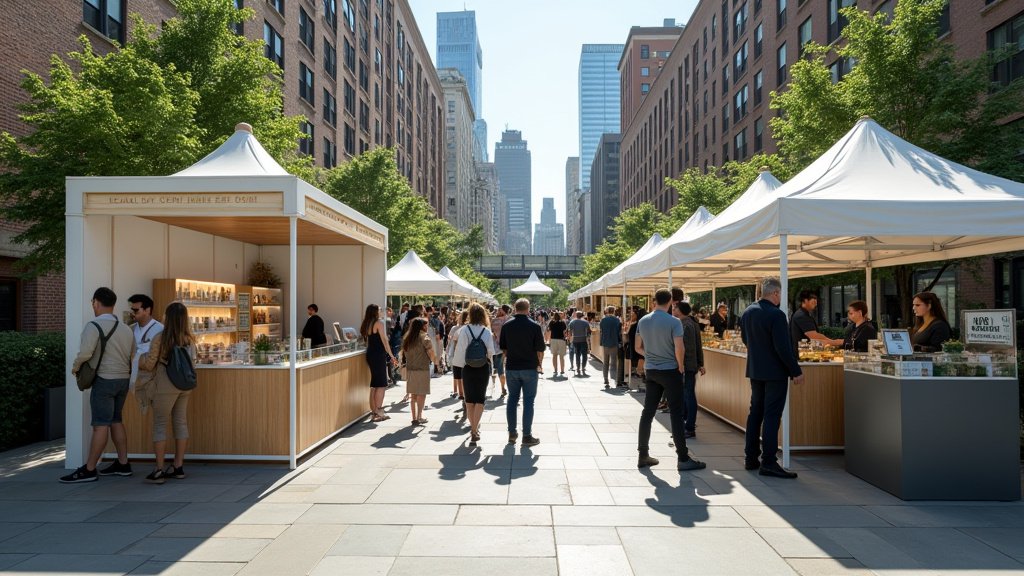
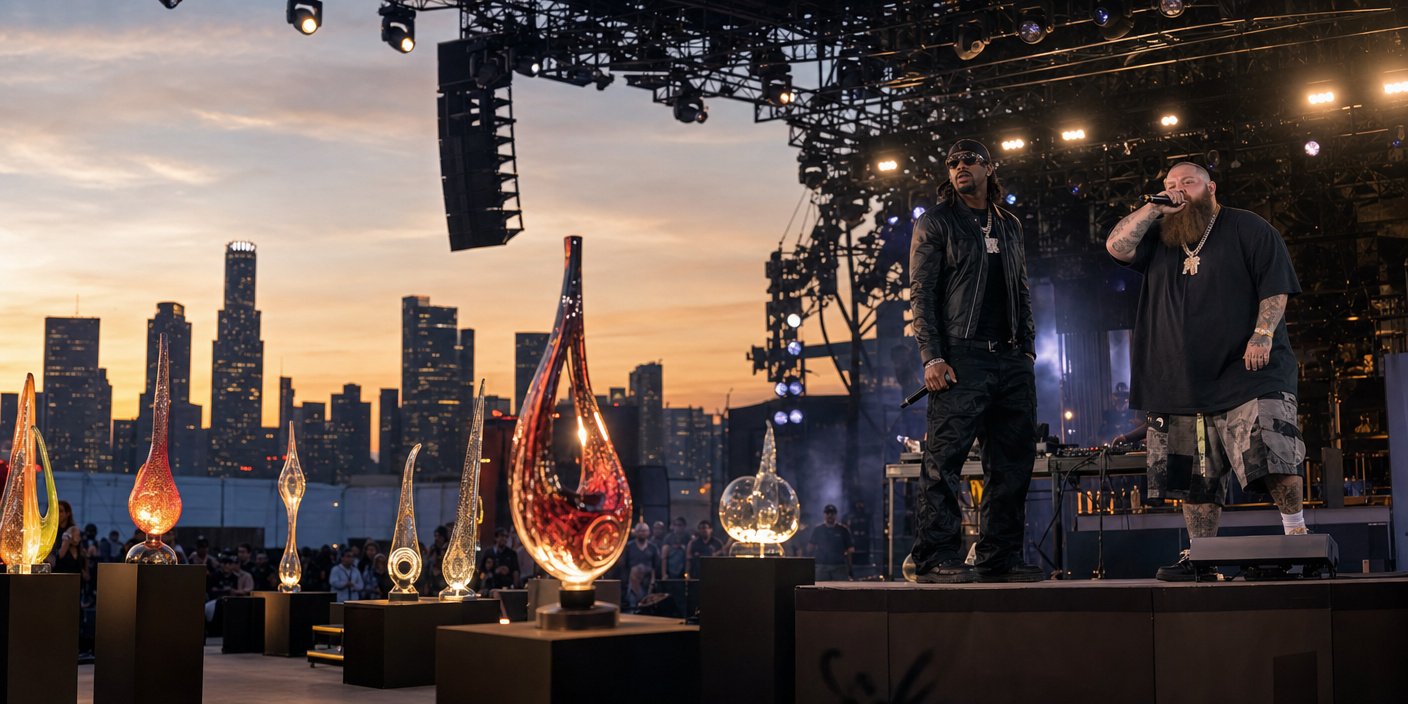
The live music scene is also adapting to the presence of legal cannabis. Venues are beginning to incorporate cannabis lounges or consumption areas, creating more relaxed and inclusive environments for fans. Music festivals, in particular, have become hubs for cannabis culture, with many featuring dedicated consumption zones and brand activations. This shift requires careful navigation of local regulations, but the overall trend points towards a more cannabis-friendly approach to live entertainment. The demand from attendees for such amenities is a strong driver for these changes, pushing organizers to innovate and cater to a diverse audience.
Economic Implications and Industry Partnerships
The economic impact of this intersection is significant. The cannabis industry, seeking new markets and mainstream acceptance, views the music industry as a natural partner. This has led to a rise in collaborations, sponsorships, and marketing campaigns that bridge the two sectors. Music events are increasingly sponsored by cannabis brands, and conversely, cannabis companies are investing in music-related initiatives. This symbiotic relationship not only generates revenue but also helps to normalize cannabis consumption and integrate it further into popular culture. However, navigating the complex and varied regulatory frameworks across different jurisdictions remains a key challenge for these partnerships.
Regulatory Adaptation and Future Outlook
The legal landscape surrounding cannabis continues to evolve, directly impacting its relationship with the music industry. While legalization opens doors, differing state and national laws create complexities for national tours and brand-wide campaigns. The industry is actively engaging with policymakers to advocate for clearer regulations that support legitimate business operations. Looking ahead, the convergence of cannabis and music is likely to deepen, potentially leading to more integrated artistic projects, specialized cannabis products tailored for musicians and fans, and further blurring the lines between lifestyle, culture, and commerce.
FAQ: People Also Ask
How has cannabis historically influenced music?
Historically, cannabis has been associated with various music genres, particularly jazz, folk, and hip-hop, often linked to fostering creativity, relaxation, and a sense of community among musicians and fans. Its use was often clandestine due to prohibition, but it played a significant role in the counter-culture movements of the 20th century.
Are there specific music genres more influenced by cannabis?
While cannabis use spans across many genres, it has historically had a pronounced influence on genres like jazz, reggae, psychedelic rock, and hip-hop. In contemporary times, its influence is becoming more broadly recognized across pop, electronic, and alternative music scenes as legalization increases.
What are the economic benefits of cannabis and music partnerships?
These partnerships can lead to new revenue streams through sponsorships, co-branded products, and marketing campaigns. They also offer the cannabis industry access to a large, engaged demographic and can enhance the fan experience at music events, creating a mutually beneficial ecosystem.
How do regulations affect cannabis and music industry collaborations?
Regulations play a crucial role. Differing laws on cannabis advertising, sales, and consumption across states and countries can complicate national or international collaborations. Companies must carefully navigate these legal complexities to ensure compliance, which can sometimes limit the scope or scale of partnerships.
What is the future outlook for cannabis in the music industry?
The future likely involves deeper integration, with more artists launching cannabis brands, increased cannabis-friendly venues and events, and potential for innovative product development tailored to music consumption. As legalization continues, the industry is expected to see more formal partnerships and a greater cultural acceptance of cannabis within the music sphere.