The U.S. Virgin Islands is rapidly approaching a milestone in its legislative timeline, with the Office of Cannabis Regulations (OCR) officially signaling that the territory’s authorized cannabis cultivation sector is prepared to launch within weeks. This development marks the most significant advancement since the enactment of the Virgin Islands Cannabis Use Act, transitioning the territory from a legislative framework to an active, operational industry. With cultivation permits finally on the horizon, the OCR aims to ensure that the necessary supply chain infrastructure is in place to support the opening of legal dispensaries before the close of 2026.
Key Highlights
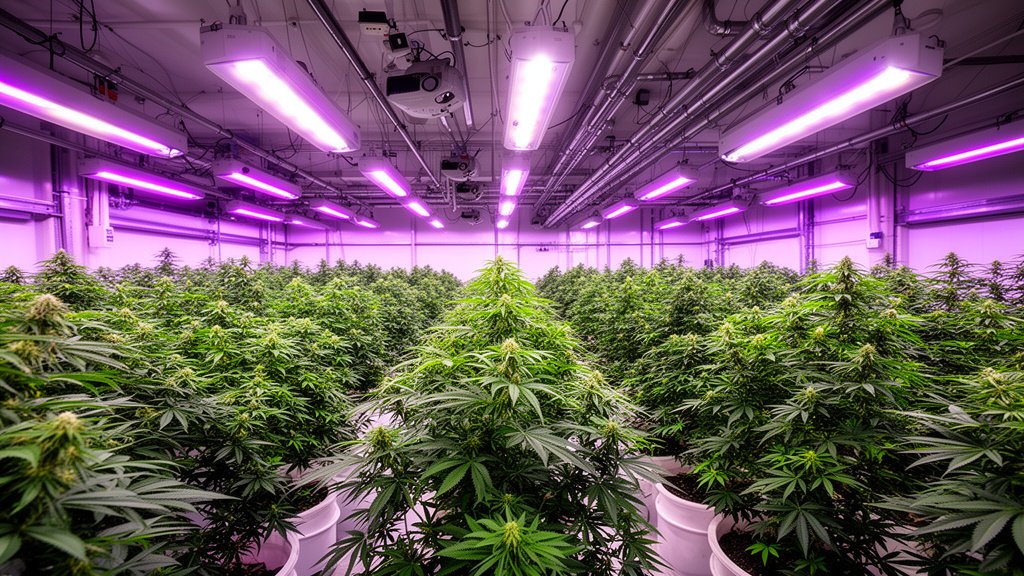
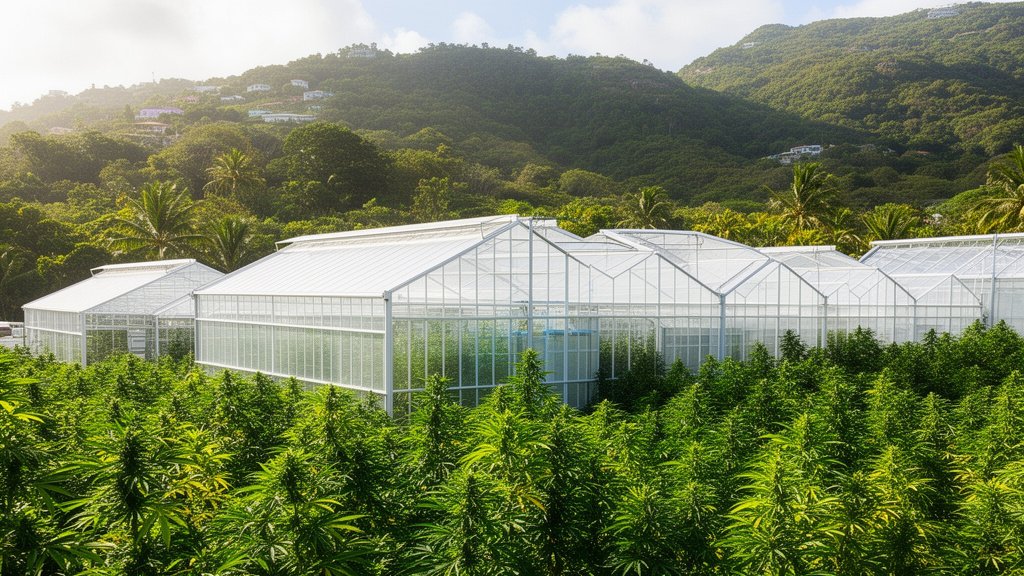
- Cultivation Commencement: Authorized cultivators are expected to break ground or begin operations within the coming weeks, a critical step for establishing a local supply.
- Retail Timeline: The OCR remains committed to the target of opening licensed dispensaries before the end of 2026, creating a bridge between cultivation and retail.
- Regulatory Rigor: The roll-out is governed by the OCR’s strict administrative rules, prioritizing public health, security, and compliance over rapid, unregulated expansion.
- Economic Impact: The industry is poised to become a vital pillar of the local economy, creating specialized agricultural jobs and generating new tax revenue streams for the territory.
Navigating the Green Frontier: USVI’s Cannabis Regulatory Roadmap
The announcement from the Office of Cannabis Regulations (OCR) is not merely a procedural update; it represents the operational activation of a comprehensive legal framework that has been in development for years. For the U.S. Virgin Islands, the move toward legal cannabis cultivation is a strategic effort to balance economic opportunity with the stringent public safety requirements mandated by the Virgin Islands Cannabis Use Act of 2023. By staggering the rollout—starting with cultivation before allowing the sale of products—the OCR is attempting to avoid the “supply shock” that often plagues nascent markets.
The Mechanics of Licensing and Oversight
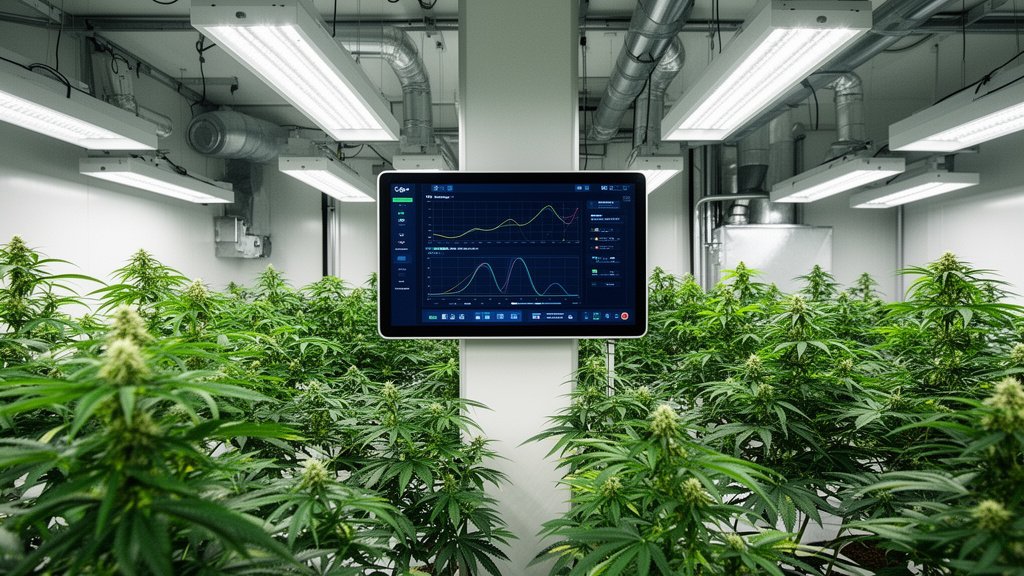
Before any plant enters the soil, the OCR has implemented a rigorous application process for cultivators. This is not an open market; it is a highly regulated sector. Applicants must demonstrate technical proficiency, financial stability, and, most importantly, a robust security plan. The OCR has emphasized that “seed-to-sale” tracking is non-negotiable. Every gram of cannabis produced in the territory must be traceable from its inception as a cutting or seed to its final sale in a retail dispensary. This infrastructure is essential for the territory to remain compliant with federal banking and regulatory expectations, which have been a significant point of friction for cannabis industries across the United States.
Economic Implications for the Territory
Beyond the regulatory details, the economic potential for the USVI is substantial. Tourism remains the lifeblood of the islands, and the integration of a legal, high-quality cannabis market provides a new avenue for “cannabis tourism,” provided it is managed within the bounds of local law. However, the economic benefits extend far beyond hospitality. The industry is expected to create demand for specialized agricultural technology, laboratory testing services, and supply chain management roles. By keeping the entire ecosystem—from cultivation to retail—within the territory, the government is aiming to keep the tax revenue and job creation local, rather than outsourcing these benefits to external entities.
Bridging the Gap: Cultivation to Consumption
The “within weeks” timeline for cultivation is a critical prerequisite for the year-end retail goal. Cultivation cycles, including flowering and post-harvest drying and curing, are time-intensive. By initiating cultivation now, the OCR is essentially building the inventory pipeline required to stock dispensary shelves by late 2026. This staggered approach serves a secondary purpose: it allows the OCR to test its regulatory protocols on a smaller scale before the retail market—which will inevitably attract higher public visibility and traffic—goes live.
Challenges Ahead: Compliance and Quality Control
While the industry’s start is imminent, the OCR faces ongoing challenges. Ensuring that cultivators adhere to strict environmental standards—preventing runoff and managing water usage in an island environment—is a key priority. Furthermore, the mandatory testing requirements for potency, heavy metals, and pesticides mean that independent, third-party laboratories must also be licensed and operational. The OCR is acutely aware that consumer trust is fragile in a new market; therefore, transparency in testing and labeling will likely be the cornerstone of their enforcement policy once dispensaries open their doors.
FAQ: People Also Ask
Q: Will the general public be able to purchase cannabis immediately after cultivation starts?
A: No. The start of cultivation is merely the beginning of the production cycle. There is a lag time between planting, harvesting, curing, and testing. The OCR expects the full retail pipeline, including dispensary sales, to be operational before the end of 2026, following these preliminary cultivation stages.
Q: What is the role of the Office of Cannabis Regulations (OCR) in this process?
A: The OCR is the primary regulatory body responsible for issuing licenses, enforcing the Cannabis Use Act, establishing safety and compliance standards, and ensuring that the “seed-to-sale” tracking system is functional and secure.
Q: Are there restrictions on who can purchase cannabis once dispensaries open?
A: While the specific retail regulations are subject to the final rules published by the OCR, the law generally requires proof of age and compliance with territorial residency or visitor guidelines as stipulated by the Virgin Islands Cannabis Use Act. Specific requirements for tourists versus residents will be clarified closer to the dispensary opening dates.