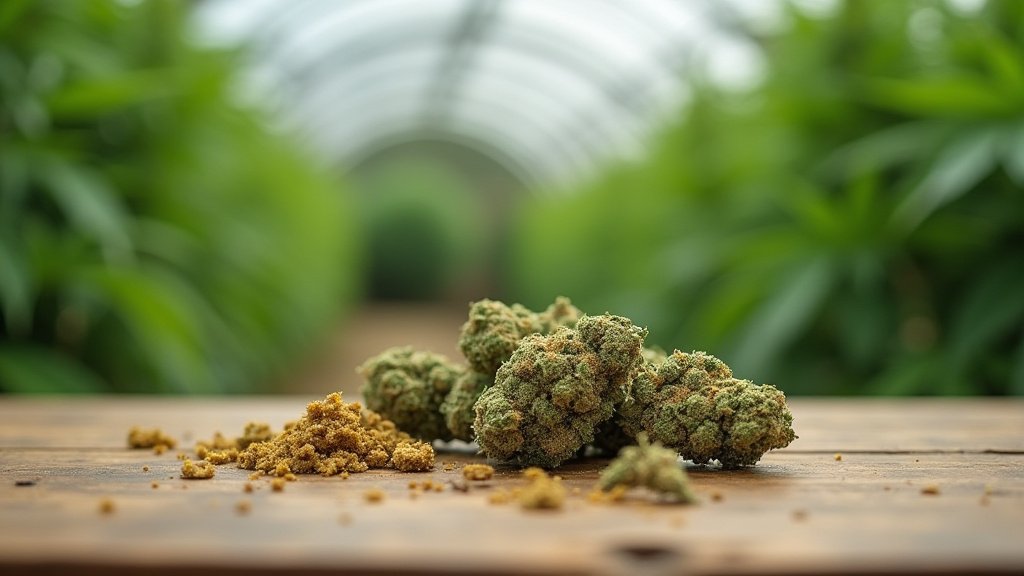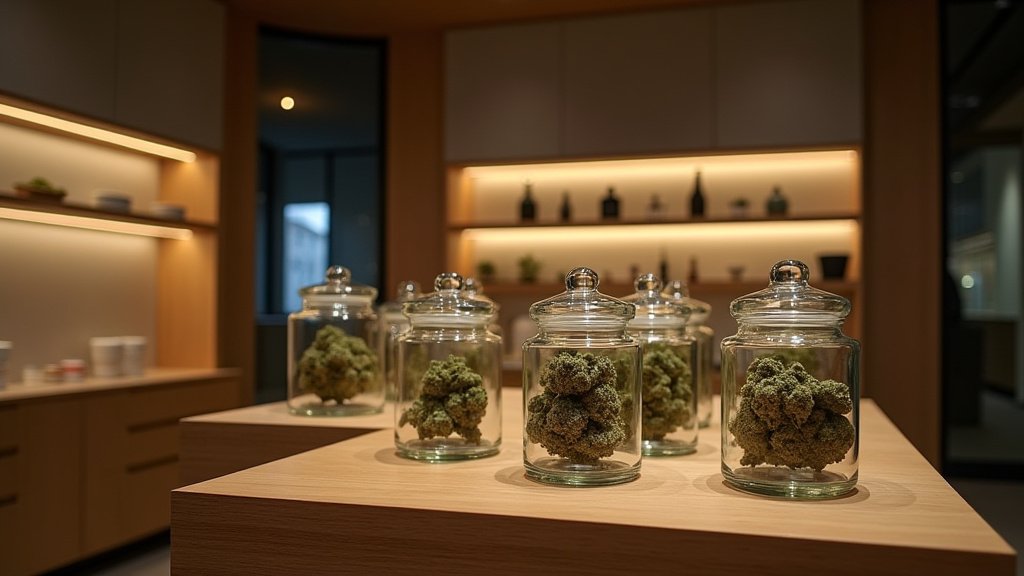
- Consumer interest has pivoted from raw potency to ‘terpene-forward’ profiles and entourage effects.
- Ready-to-consume (RTC) products, specifically solventless concentrates, are capturing record market share.
- Wellness-oriented, minor-cannabinoid-heavy formulations (CBG/CBN) show the fastest growth among demographic cohorts over 35.
- Data confirms a decline in traditional flower dominance, with pre-rolls and infused products experiencing a 15% year-over-year surge.
Data-Driven Shifts: The Evolution of Cannabis Consumption
The landscape of the legal cannabis industry is undergoing a sophisticated transformation as we hit the second quarter of 2026. For years, the market was defined by a singular, often aggressive, pursuit of high THC percentages. However, the latest retail sales data suggests that the modern consumer has matured, shifting their focus toward nuanced flavor profiles, specific terpene compositions, and targeted functional outcomes. This evolution marks a turning point where cannabis is increasingly categorized not just as a commodity, but as a wellness tool tailored to individual physiological needs.
The Rise of Terpene-Centric Purchasing
Retailers across major legal markets report that educated consumers are now prioritizing terpene content—the aromatic compounds that define the ‘vibe’ of a strain—over sheer THC potency. Products labeled with detailed terpene profiles, such as those high in Limonene for mood elevation or Myrcene for relaxation, are outperforming high-THC counterparts that lack terpene variety. This shift forces cultivators to move away from breeding solely for density and potency, opting instead for strains that offer complex, sensory-rich experiences that appeal to the connoisseur market.
The Surge in Solventless and Infused Products
Efficiency is the new hallmark of the 2026 consumer. As lifestyle demands increase, the ease of access provided by pre-rolls and solventless infused concentrates has led to a major redistribution of shelf space. Solventless extraction methods, prized for their purity and lack of chemical residuals, have become the ‘gold standard’ for premium pricing tiers. This move toward cleaner, more refined products aligns with broader consumer trends observed in the health and wellness space, where transparency and ingredient quality are non-negotiable.
Generational Diversification in Minor Cannabinoids
Perhaps the most significant finding in the current sales data is the rapid adoption of minor cannabinoids like CBG (cannabigerol) and CBN (cannabinol) by the 35+ demographic. While younger consumers remain focused on traditional high-THC delivery methods, older generations are seeking targeted relief, specifically for sleep and focus. Products that combine CBD with these minor cannabinoids are currently the fastest-growing segment in the functional wellness aisle. This trend highlights the diversification of the cannabis consumer base and signals massive opportunity for brands that focus on health outcomes rather than just recreational intensity.
Market Outlook: Sustainability and Quality
Looking toward the remainder of 2026, industry analysts anticipate that this movement toward quality over quantity will intensify. Brands that invest in sustainable, sun-grown practices that emphasize plant integrity will likely capture the loyalty of the increasingly discerning cannabis shopper. The data indicates that the race for the highest THC percentage has effectively peaked; the new race is for consistency, terpene density, and the reliable delivery of functional, wellness-oriented benefits.