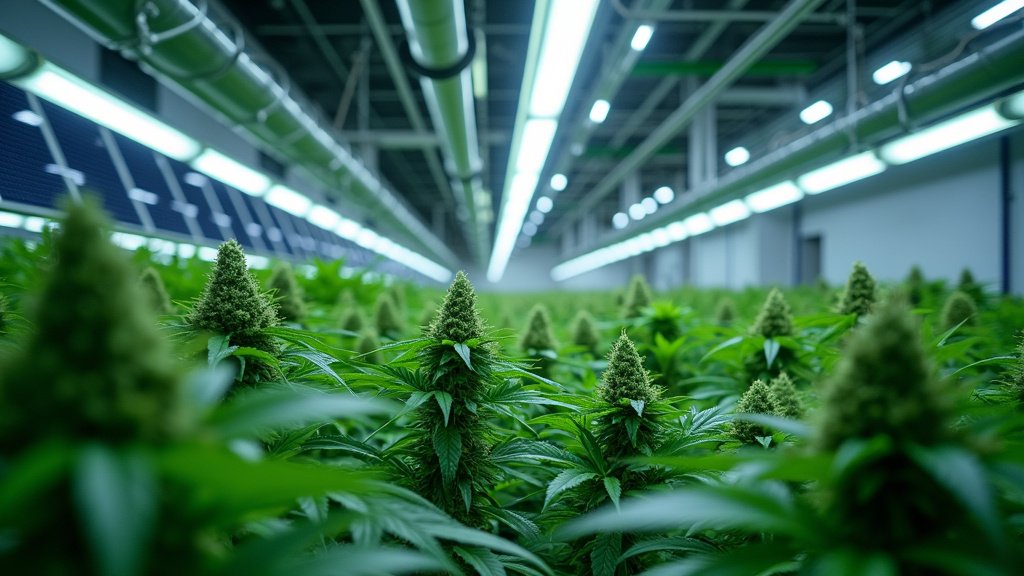
The year 2025 marks a pivotal moment for the cannabis industry, shifting focus from rapid expansion to responsible, sustainable growth. As the global demand for cannabis products continues to surge, cultivators are increasingly recognizing that environmental stewardship is not just an ethical imperative but a critical component of long-term business viability and product quality. Leading practices in sustainable cannabis cultivation are integrating cutting-edge technology, regenerative agricultural principles, and robust waste management strategies to minimize ecological impact while maximizing efficiency and yield.
Water-Wise Cultivation: Conserving a Precious Resource
Water usage remains a central concern in cannabis cultivation. Forward-thinking operations in 2025 are implementing sophisticated water conservation techniques. Smart irrigation systems, utilizing soil moisture sensors and real-time data analytics, deliver precise amounts of water directly to plant roots, drastically reducing waste through evaporation and runoff. Many facilities are also adopting advanced water reclamation and recycling systems, including closed-loop hydroponic setups that can reduce consumption by up to 90%. These water-efficient practices not only conserve a vital resource but also contribute to reduced operational costs.
Energy Efficiency and Renewable Power Sources
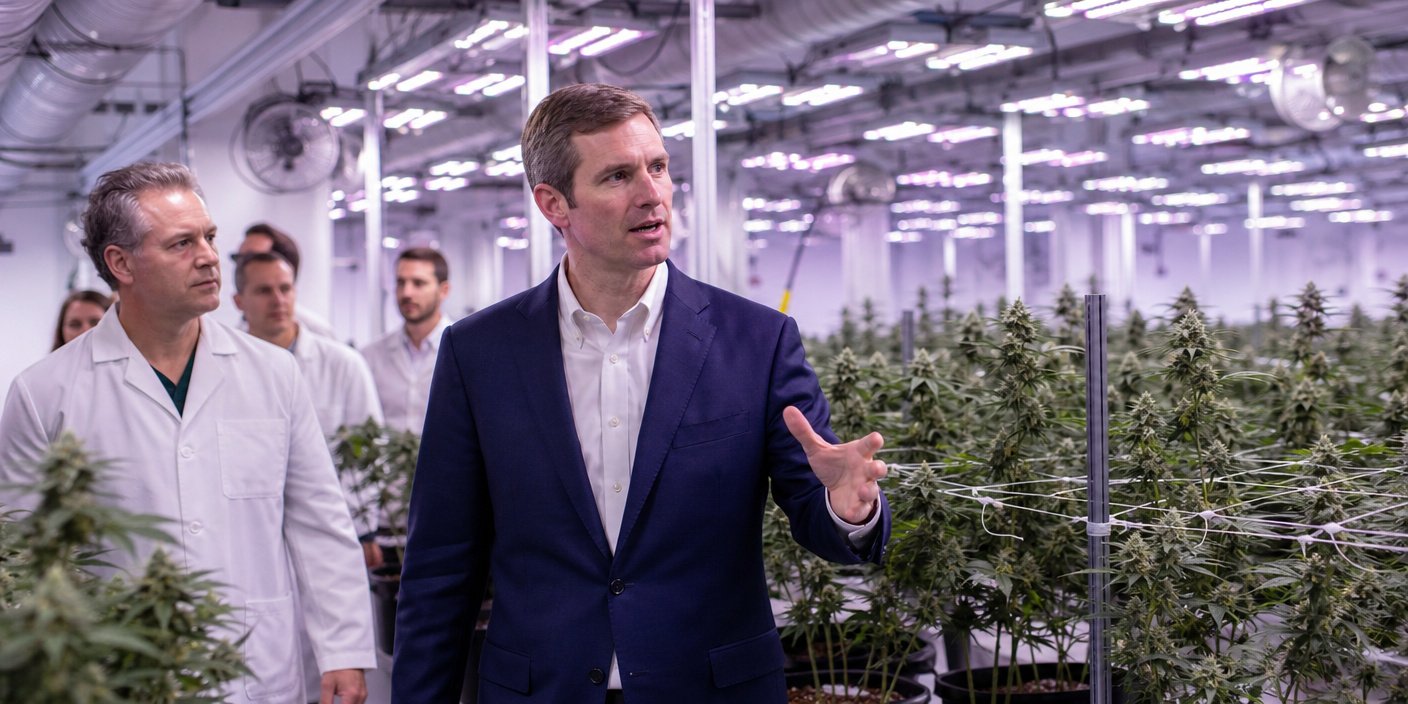
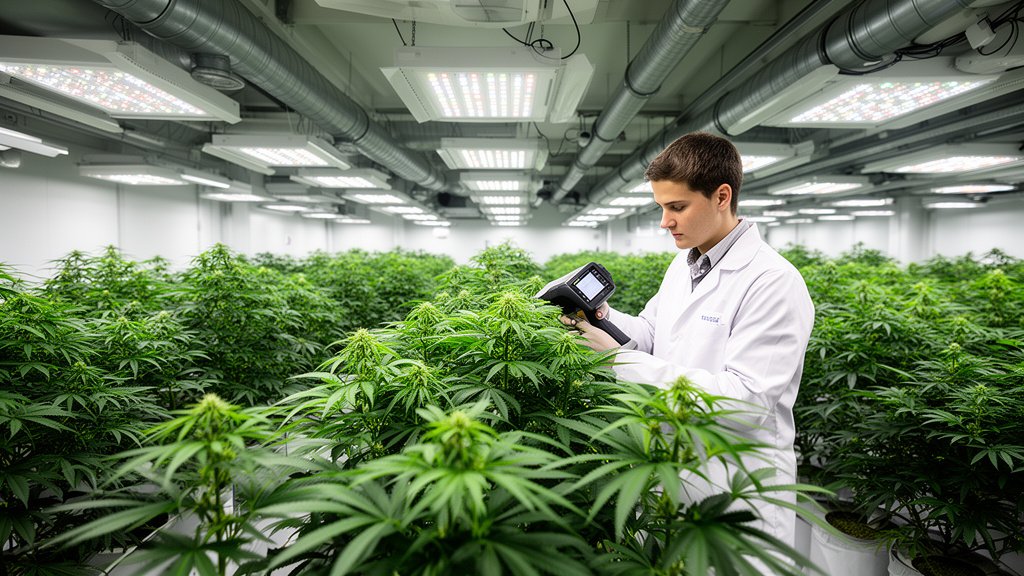
Indoor cannabis cultivation is notoriously energy-intensive, often rivaling the energy consumption of other high-demand industries. In 2025, the industry is making significant strides in energy efficiency. Advanced LED lighting systems, which offer spectrum control and are more efficient than traditional high-pressure sodium (HPS) lamps, are becoming standard. Coupled with smart HVAC systems and programmed light cycles, these technologies optimize environmental controls while lowering energy demands. Furthermore, a growing number of operations are transitioning to renewable energy sources, such as solar and wind power, often integrating battery storage to ensure consistent power supply and reduce reliance on fossil fuels. These investments not only cut utility expenses but also substantially decrease the industry’s carbon footprint.
Embracing Regenerative and Organic Cultivation
The principles of regenerative and organic agriculture are gaining significant traction in cannabis cultivation. These methods prioritize soil health, biodiversity, and natural processes over synthetic inputs. Practices such as composting plant waste to create nutrient-rich soil amendments, cover cropping to improve soil structure and fertility, and the use of integrated pest management (IPM) are essential. By fostering healthy soil ecosystems, growers can enhance terpene profiles, improve cannabinoid content, and increase plant resistance to pests and diseases, leading to cleaner, higher-quality cannabis.
Waste Reduction and Circular Economy Principles
Minimizing waste is a critical aspect of sustainable cannabis operations. Beyond composting plant materials, the industry is focusing on eco-friendly packaging solutions. Brands are increasingly opting for biodegradable, compostable, or recyclable materials, such as hemp-based plastics, recycled paper, and glass, to reduce landfill waste. Some companies are even implementing reusable packaging models and minimalist designs to further decrease their environmental footprint. Auditing waste streams and exploring circular economy practices, like converting cannabis waste into building materials like hempcrete, showcases the industry’s commitment to resource maximization.
Smart Technology for Optimized Environments
Advancements in smart technology are revolutionizing environmental control and operational efficiency in cannabis cultivation. IoT sensors, AI-driven analytics, and sophisticated climate control systems enable cultivators to monitor and precisely manage parameters such as temperature, humidity, CO2 levels, and lighting in real-time. This level of automation not only ensures optimal growing conditions for maximizing yield and quality but also contributes to significant energy and water savings. Predictive maintenance alerts and automated responses to environmental shifts further enhance operational resilience and reduce costly errors.
The Business Imperative of Sustainability
Adopting sustainable practices in cannabis cultivation is no longer just an environmental choice; it’s a strategic business decision. Companies that prioritize sustainability often see reduced operating costs through lower utility bills and less waste disposal. Furthermore, a growing consumer preference for eco-conscious products creates significant market advantages, allowing brands to differentiate themselves, introduce premium pricing, and build stronger customer loyalty. As regulatory bodies increasingly enforce environmental compliance, businesses that proactively embrace sustainability are better positioned for long-term growth and resilience.
Advice for growers looking to implement these practices includes starting with a comprehensive audit of current resource usage, identifying areas for improvement, and investing in technologies that offer the greatest return on investment in terms of efficiency and environmental impact. Collaboration and knowledge-sharing within the industry are also vital for continued innovation.
Conclusion: A Greener Horizon for Cannabis
As 2025 unfolds, the leading practices in sustainable cannabis cultivation paint a clear picture of the industry’s future: one that is deeply intertwined with environmental responsibility. By integrating water conservation, energy efficiency, regenerative methods, smart technology, and waste reduction, cultivators are not only mitigating their ecological footprint but also enhancing product quality and securing their long-term business success. The commitment to sustainability is fostering a more ethical, resilient, and ultimately, more prosperous cannabis sector for years to come.