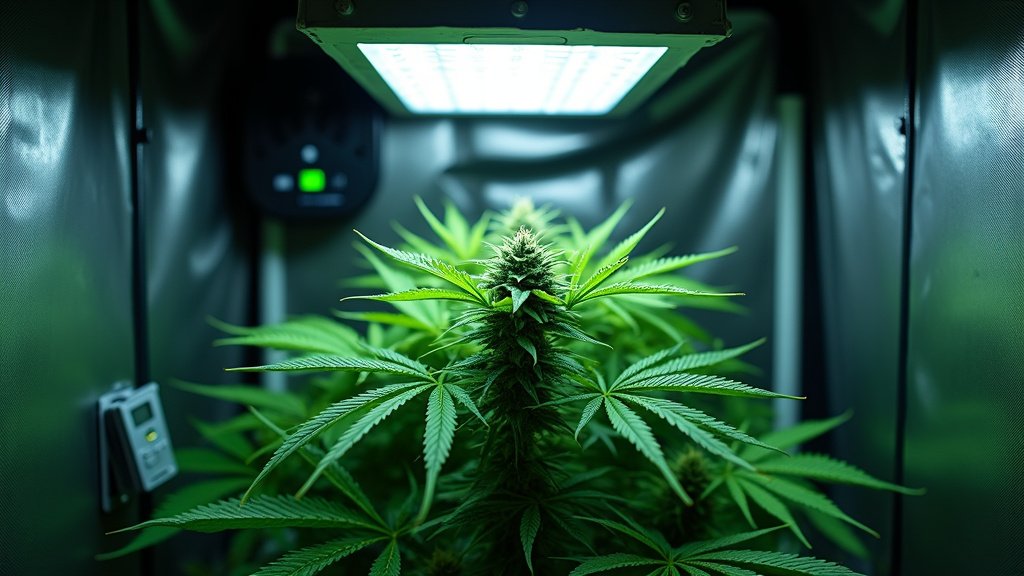
Embarking on the journey of cannabis cultivation can feel daunting for newcomers, often beginning with simple questions about essential equipment. Many aspiring growers find themselves seeking advice on specific aspects, such as the right lighting for a grow tent, leading to discussions about wattage, environmental controls, and tent sizes. While the initial query might focus on a single piece of equipment, a successful cannabis cultivation endeavor relies on a holistic understanding of plant needs and environmental factors.
The Fundamentals of Cannabis Cultivation
At its core, cannabis cultivation requires providing plants with the basic elements they need to thrive: light, a growing medium, air, water, and nutrients. For beginners, the advice is consistent: start small. Cultivating one or two plants allows for a less overwhelming learning experience, enabling new growers to grasp fundamental techniques without being swamped by complexity. Choosing the right growing medium is also critical; a light, airy, and well-draining soil mix or coco coir is generally recommended over compacted native soil. Maintaining the correct pH level is vital for nutrient absorption, with a target range of approximately 6.0-7.0 for soil and 5.5-6.5 for hydroponic or coco coir setups.
Illuminating Your Grow Space: Lighting Essentials
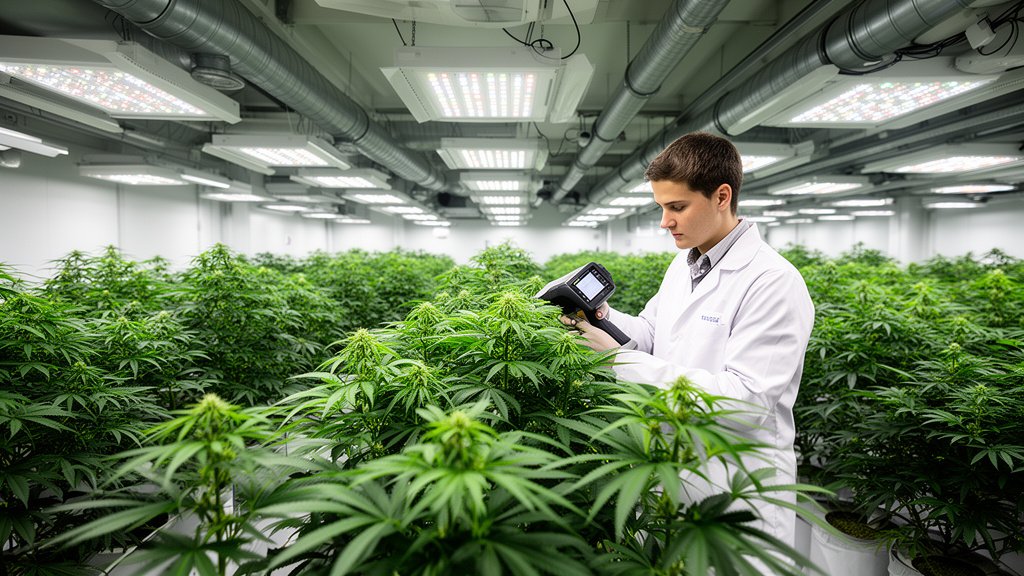
Lighting is arguably one of the most critical components for successful indoor cannabis cultivation, as inadequate light directly leads to poor yields. For small grow tents, particularly those around 2×2 feet, high-efficiency LED grow lights are the modern standard, offering superior energy efficiency and spectrum control compared to older technologies like HID. For a 2×2 space, approximately 100 to 150 watts of actual power draw from a quality LED fixture is often sufficient to maximize potential yield. Brands like Mars Hydro (e.g., TS1000, FC-E1500) and Bloom Plus (e.g., BP 1000W) offer models suitable for this size, often with dimmable features that allow growers to adjust light intensity based on the plant’s growth stage. A 100-watt light might suffice for early vegetative growth but could be insufficient for robust flowering, underscoring the importance of selecting a light that meets the higher demands of bud production. Poorly distributed or inadequate lighting remains a common pitfall for new growers.
Mastering Environmental Controls: Temperature and Humidity
Beyond lighting, maintaining stable environmental conditions within the grow tent is paramount for healthy cannabis development. Temperature and humidity levels fluctuate across different growth stages and have significant impacts:
* Seedlings: Require high humidity (65-70% RH) and moderate temperatures, generally 68-77°F (20-25°C) during the day.
* Vegetative Stage: Plants benefit from slightly warmer temperatures, around 72-82°F (22-28°C) during the day, with humidity ideally between 40-60% RH.
* Flowering Stage: As buds develop, humidity should be reduced to 40-50% RH to prevent mold and mildew. Temperatures can range from 65-75°F (18-24°C) during the day, with a slight drop at night.
Good ventilation and air circulation are crucial for managing these parameters, preventing stagnant air, and mitigating risks of mold and pests. Essential tools for monitoring and control include hygrometers, thermostats, fans, dehumidifiers, and humidifiers.
Choosing the Right Grow Tent and Space
Grow tents offer a controlled environment ideal for indoor cannabis cultivation, providing a dedicated space to manage light, air, and humidity. While many beginners start with smaller tents like the 2×2 foot option, some experienced growers opt for larger setups (e.g., 4×4 feet or more) to allow for more plants or better environmental stability. [Context] Reputable brands in the grow tent market include Gorilla Grow Tent, known for its durability and height adjustability, and AC Infinity, which excels in providing integrated climate control and ventilation systems. Mars Hydro is also recognized for offering affordable tent kits that can be a good starting point for beginners, often including essential accessories.
Avoiding Common Cultivation Mistakes
New growers often encounter similar challenges. Overwatering and underwatering are among the most frequent issues, leading to root problems or plant stress. Other common errors include improper pH levels, incorrect nutrient application (over or underfeeding), inadequate ventilation, neglecting the light cycle (photoperiod), and harvesting too early. Educating oneself on these common pitfalls and proactively implementing solutions can significantly increase the chances of a successful harvest.
Successfully cultivating cannabis requires attention to detail, a willingness to learn, and patience. By focusing on the core needs of the plant—appropriate lighting, stable environmental conditions, and proper care—new growers can build confidence and achieve rewarding results. This foundational advice serves as a solid starting point for anyone looking to begin their own cultivation journey.