SEOUL, South Korea – An incident involving two middle school students apprehended by Seoul police for allegedly smoking marijuana at a playground has ignited fresh concerns over the escalating problem of adolescent drug use in South Korea. The arrest, which occurred late on April 25th in a residential area of Seoul’s Nowon district, has brought renewed attention to a complex issue that experts say is rapidly evolving, with prescription drug misuse and cannabis use becoming increasingly prevalent among the nation’s youth. This developing news story underscores a growing societal challenge.
Playground Bust Shakes Local Community
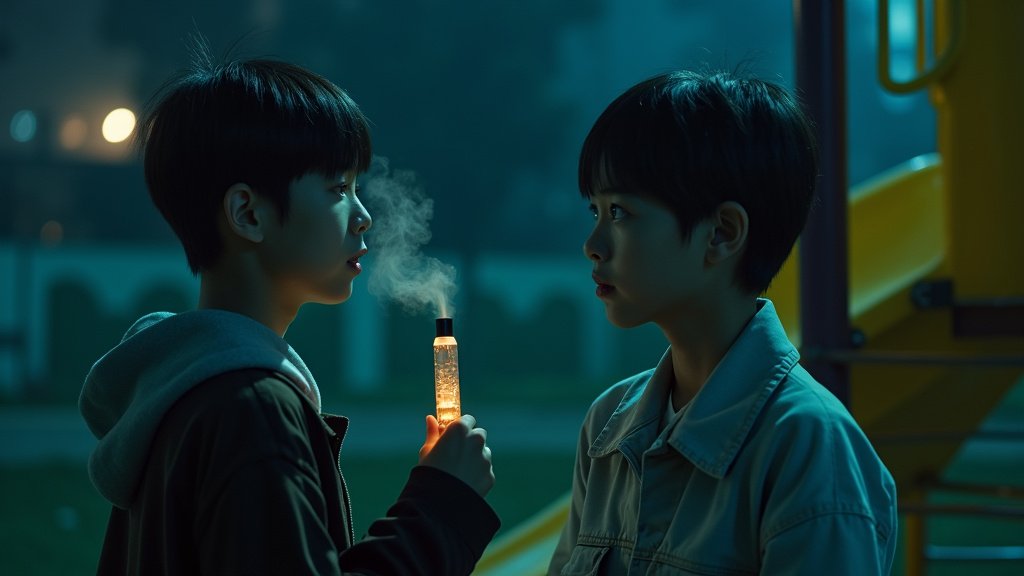
According to authorities, patrolling officers spotted the two middle schoolers, both over the age of 14 and thus subject to criminal charges under Korean law, running and shouting near a playground around 9:10 PM. Their erratic behavior, including phrases like “Someone is chasing us” and “My friend took drugs,” led the officers to investigate. The students were subsequently apprehended, and a vape pen containing liquid marijuana was recovered nearby, believed to have been discarded by the pair. Investigators are currently working to determine the source of the drugs, a critical aspect of tackling juvenile drug involvement. The incident has sparked disbelief and alarm among local residents, who expressed shock that such activities were occurring in their community.
A Worsening National Trend Emerges
This isolated incident is not an anomaly but rather symptomatic of a broader, concerning trend. South Korea, once perceived as a relatively drug-free nation with stringent laws, is now grappling with a significant surge in drug-related offenses, particularly among its younger population. Data reveals a dramatic increase in juvenile drug offenders. Nationally, the number of individuals aged 19 and under involved in drug offenses rose from 38 in 2012 to 450 in 2021, an alarming escalation of over 1000%. In Seoul alone, teenage drug offenders saw a nearly fivefold increase between 2022 and 2023. A recent survey targeting adolescents indicated that while official figures might seem low, the actual number of youth drug users is likely considerably higher due to the clandestine nature of these activities. This surge is a critical piece of news for public health and safety officials.
Beyond Cannabis: The Gateway of Prescription Drugs
While the playground incident involved cannabis, experts highlight that illegally obtained prescription psychotropic drugs are increasingly becoming the primary gateway into substance abuse for South Korean youth. Medications for Attention Deficit Hyperactivity Disorder (ADHD), often nicknamed “study drugs,” are in high demand, sought for their perceived concentration-enhancing effects amidst intense academic pressure. Prescriptions for ADHD drugs for individuals aged 19 and under reached 3.35 million between 2022 and 2024. From 2019 to 2021, prescription psychotropics accounted for a significant 55.4% of youth drug cases. This trend is further exacerbated by loopholes in regulations, allowing for potential misuse and a normalization of these substances among impressionable young minds.
Digital Pathways and Social Circles Fuel Access
The increasing accessibility of drugs, particularly for younger demographics, is a major concern. Online platforms, encrypted messaging services like Telegram, and the dark web have become common channels for drug transactions. However, research indicates that peer influence remains paramount, with a substantial majority of young drug users reporting obtaining substances through friends or acquaintances. This social aspect of drug use, coupled with the ease of online purchasing, creates a potent mix for widespread abuse.
Underlying Pressures and Devastating Consequences
The rise in adolescent drug use is often linked to the immense societal pressures faced by South Korean youth, particularly the high expectations and intense competition within the education system. This stress can lead to mental health issues, including depression and anxiety, for which some turn to drugs as an unhealthy coping mechanism. The consequences are dire; drug use is now identified as the third-leading risk factor for suicide among Korean teens, with a significant percentage of hospitalizations for suicide attempts potentially linked to substance abuse.
Authorities Respond Amidst Growing Challenges
South Korean law enforcement and prosecution have adopted a firm stance, with prosecutors pushing for harsher penalties, including life imprisonment and the death penalty, for those who supply drugs to minors. However, the country faces challenges in combating this crisis, including a scarcity of drug rehabilitation centers and the evolving methods of drug distribution. The legal framework for cannabis use is strict, with possession or use punishable by significant prison time and fines, and it is illegal for South Korean citizens to use cannabis even in countries where it is legal.
A Call for Comprehensive Action
The incident of the two middle school students caught with cannabis serves as a stark reminder of the pervasive and growing threat of drug abuse among South Korea’s youth. Addressing this crisis will require a multi-faceted approach, encompassing enhanced drug prevention education, stronger online monitoring, accessible rehabilitation services, and a societal effort to alleviate the academic and social pressures that contribute to substance misuse. The trending nature of youth drug involvement necessitates urgent and sustained action from all stakeholders.