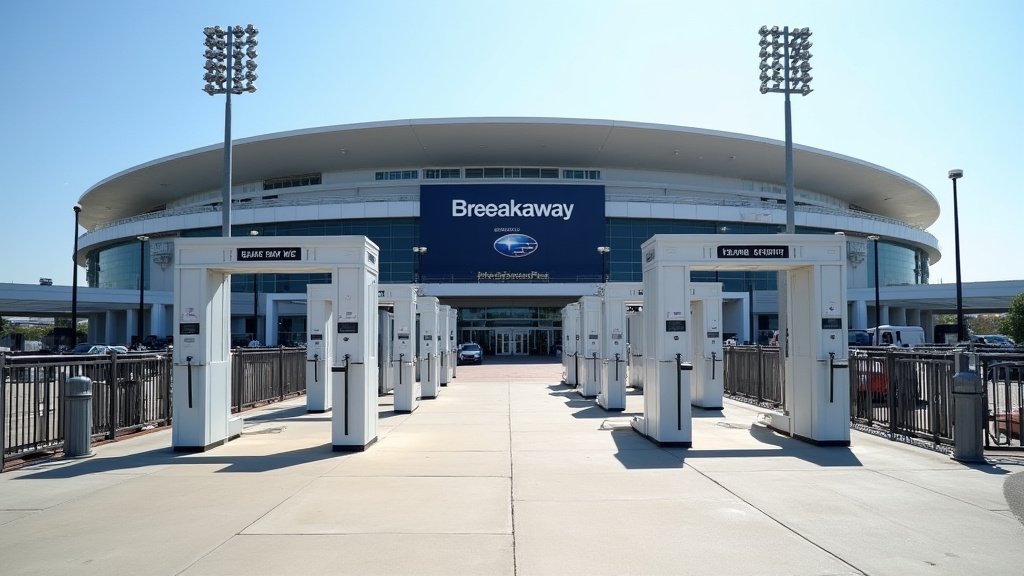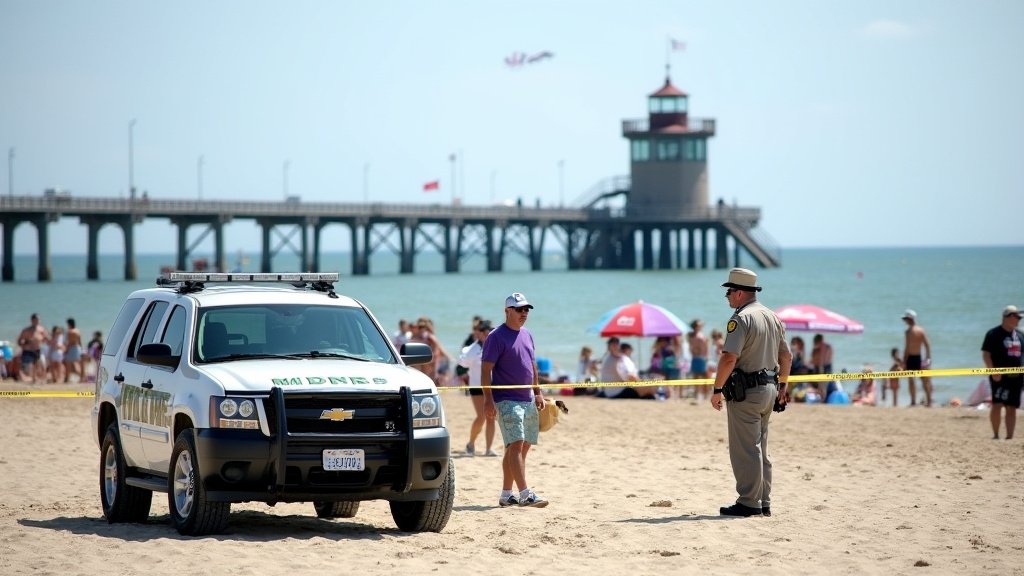
The Michigan Department of Natural Resources (MDNR) has officially unveiled its comprehensive public safety and enforcement strategy for the 2024 Grand Haven Coast Guard Festival, a landmark event running from July 26 through August 4, 2024. As thousands of attendees descend upon the shores of Lake Michigan to honor the United States Coast Guard, state officials are tightening regulations at Grand Haven State Park to ensure the safety and enjoyment of all visitors. The primary objective of this year’s initiative is the strict enforcement of policies regarding substance consumption and noise pollution, specifically targeting state-managed lands that serve as the primary hub for festival-goers.
The Regulatory Mandate: Marijuana and Noise Control
Central to the MDNR’s updated protocols is a zero-tolerance stance on marijuana consumption. While recreational marijuana is legal in Michigan, the MDNR is utilizing its jurisdiction over state-owned land to prohibit all marijuana use within Grand Haven State Park. This distinction is critical for attendees; although marijuana may be permitted in private residences or specific licensed establishments, state park property remains a federal-sensitive zone where consumption, including vaping and smoking, will be subject to strict citations. Conservation officers will be conducting increased patrols throughout the 10-day event to ensure these regulations are upheld.
Furthermore, the DNR is cracking down on amplified music. The festival environment often encourages portable speakers, but this year, the department is enforcing strict limitations on sound volume. Officials cite the necessity of maintaining order and preventing conflicts among diverse crowds in high-density beach areas. Amplified music that disrupts the “peaceful enjoyment” of other park visitors will be addressed immediately by law enforcement and park staff. This dual-focus approach on marijuana and noise pollution represents a significant shift toward a more structured and controlled environment compared to previous years.
Managing the 10-Day Surge: A Logistical Challenge
Grand Haven State Park is the epicenter of the festival’s beachside activities. During the Coast Guard Festival, the park experiences record-breaking attendance, often reaching maximum capacity within hours of opening. The MDNR faces the logistical challenge of managing thousands of vehicles and pedestrians simultaneously. To address this, the DNR has coordinated a multi-agency strategy involving the Grand Haven Department of Public Safety and the U.S. Coast Guard.
“Our priority is providing a safe, family-friendly experience,” a DNR spokesperson indicated in preliminary briefings. The strategy includes enhanced lighting, increased personnel density on the beach, and clearly marked restricted zones to ensure emergency response vehicles can access the pier and beach areas quickly in the event of an incident. The influx of tourists, while an economic boon for the region, places immense pressure on infrastructure. The DNR is working to streamline the arrival process to prevent traffic gridlock, which has historically complicated entry into the park during peak festival days.
Collaborative Policing and Safety Infrastructure
The enforcement strategy is not limited to the DNR alone. The operation relies heavily on the integration of local police, Ottawa County Sheriff’s deputies, and Coast Guard personnel. By establishing clear jurisdictional lines—where the DNR manages park lands and local police manage municipal festival grounds—the agencies aim to eliminate gaps in enforcement. This collaborative network ensures that a breach of conduct in the state park can be handled by the most appropriate officer on site.
This partnership also extends to water safety. As the festival celebrates the Coast Guard, the DNR is reinforcing its commitment to preventing water-based incidents. Increased presence of conservation officers on the breakwall and near the pier is designed to deter unauthorized climbing or swimming in hazardous conditions. The message from the collective security task force is clear: celebration is encouraged, but safety protocols are non-negotiable.
The Economic and Cultural Significance
The Grand Haven Coast Guard Festival is more than a 10-day gathering; it is a vital economic engine for the City of Grand Haven. The festival draws visitors from across the Midwest, contributing millions of dollars to local hospitality and retail sectors. The DNR’s enforcement strategy, while appearing restrictive, is designed to protect this economic asset. By minimizing disorderly conduct, the state aims to maintain Grand Haven’s reputation as a premier destination for families and tourists. The balance between allowing a vibrant festival culture and maintaining the serene, accessible nature of the state park is a tightrope the DNR continues to walk, with 2024 marking a more rigorous approach to community standards than in prior years.