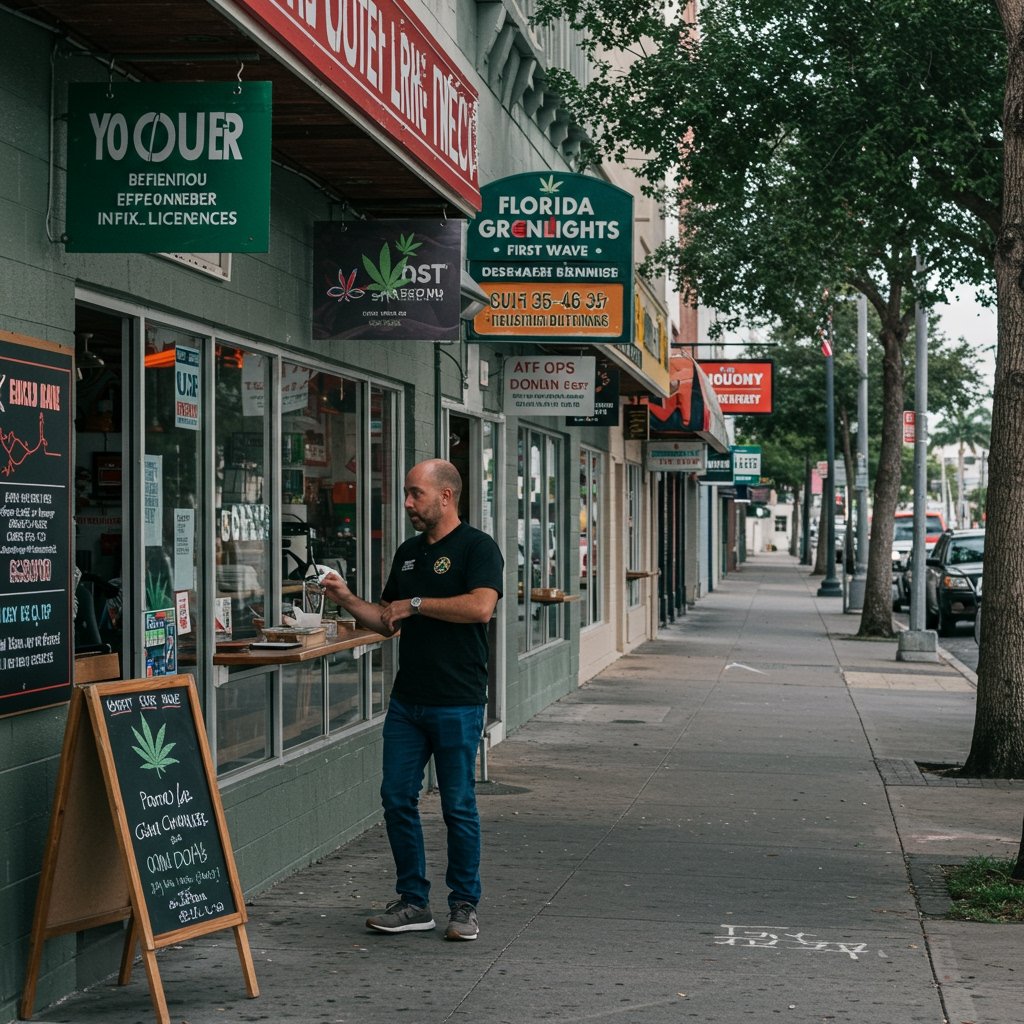
Florida Issues Landmark Licenses for Adult-Use Cannabis Lounges
TALLAHASSEE, FL – In a significant development for the state’s burgeoning recreational cannabis market, Florida’s newly established Cannabis Control Board announced on June 7, 2025, the approval of the initial batch of licenses designated for adult-use cannabis consumption lounges. This marks a pivotal step forward in the implementation of the state’s recreational program, which officially commenced operations in January 2025 following the passage of Amendment 3 in November 2024.
The announcement, detailed in a press release issued by Board Chairman, Robert J. Smith, confirmed that a total of 35 permits were issued in this foundational phase. These licenses cover prospective establishments located in several of Florida’s major metropolitan areas, including Miami, Orlando, and Tampa. The move is designed to provide regulated, safe spaces for consumers to enjoy cannabis products legally outside of private residences.
Context: From Amendment to Consumption
The journey to this point began with the successful passage of Amendment 3 by Florida voters in November 2024. This constitutional amendment legalized adult-use cannabis across the state for individuals aged 21 and older. Following the voters’ mandate, the Florida Legislature worked swiftly to establish the regulatory framework necessary to govern the new market. A key outcome of this legislative effort was the creation of the Cannabis Control Board, tasked with overseeing all aspects of the adult-use program, from cultivation and processing to retail sales and, critically, consumption spaces.
The broader recreational program officially launched in January 2025, allowing licensed dispensaries to begin selling cannabis products to adult consumers. However, the question of where these products could be legally consumed remained a significant consideration. Public consumption laws are stringent, and restrictions on consumption in rental properties or various public venues highlighted the need for designated spaces.
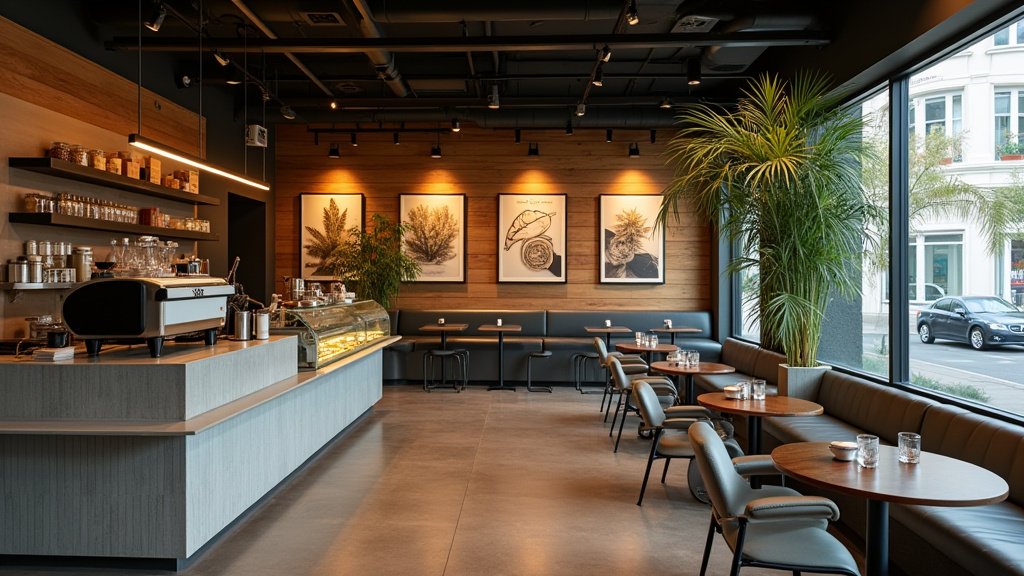
Consumption lounges are intended to fill this gap, offering a controlled environment where patrons can legally use purchased cannabis products on-site. Proponents argue that such lounges contribute to responsible consumption, reduce the likelihood of public nuisance issues, and provide a social setting akin to bars or cafes in other industries.
The Initial Rollout: Locations and Numbers
The selection of 35 locations for this first phase of licensing was strategically focused on Florida’s most populous regions. The inclusion of Miami, Orlando, and Tampa indicates an effort to cater to both the large local populations in these urban centers and the significant tourism traffic they attract. These areas represent key markets where demand for regulated consumption spaces is expected to be highest.
Board Chairman Robert J. Smith’s press release emphasized the rigorous review process undertaken by the Board to evaluate applicants for these inaugural licenses. While specific criteria for selection were not fully detailed in the initial announcement, it is understood that applicants were evaluated on factors likely including security plans, ventilation systems, operational procedures, compliance protocols, and local zoning compatibility.
The decision to issue 35 licenses in this initial phase suggests a cautious but determined approach to rolling out consumption spaces. This allows the Board and local municipalities to monitor the operations of these first establishments, gather data on their impact, and potentially refine regulations before considering future licensing phases. The number itself represents a significant opening, laying the groundwork for a statewide network of consumption venues.
Anticipated Impact and Future Landscape
The licensed consumption lounges are anticipated to begin opening their doors to the public later this summer. This timeline provides the approved licensees with the necessary period to finalize build-outs, pass final inspections, and prepare for operations under the state’s regulatory guidelines. Consumers in Miami, Orlando, and Tampa, as well as visitors to these cities, can look forward to accessing these legal consumption environments in the coming months.
The introduction of consumption lounges is expected to have a profound impact on Florida’s emerging cannabis lifestyle scene. Beyond simply providing a place to consume, these lounges are likely to become social hubs, potentially offering ancillary services, hosting events, and fostering a sense of community among cannabis users. They could also play a role in cannabis tourism, offering visitors a compliant way to experience Florida’s legal market.
Economically, the lounges are projected to contribute through job creation, lease payments, local tax revenues, and sales generated both from cannabis products (if integrated retail is allowed, subject to specific regulations) and potentially other non-cannabis offerings like food and non-alcoholic beverages.
However, the operation of these lounges will be subject to strict regulations aimed at public safety and responsible conduct. These regulations are expected to cover aspects such as age verification, limits on purchase and consumption amounts, hours of operation, air quality standards, and potential restrictions on combining cannabis consumption with alcohol or other substances.
Chairman Smith stated in the press release that the Board remains committed to a phased and responsible implementation of the adult-use program, with the licensing of consumption lounges being a critical milestone. This initial phase represents a significant step in building out the infrastructure necessary for a mature and well-regulated adult-use market in Florida.
As these first 35 lounges prepare to open, their success and operational experience will undoubtedly inform the future direction of consumption space licensing and regulation in the state, further shaping the landscape of Florida’s legal cannabis industry.