According to a recent report from ResearchAndMarkets.com, the global cannabis cultivation market is poised for dramatic expansion, projected to grow from USD 180.7 billion in 2025 to a substantial USD 651.8 billion by 2034. This represents a robust compound annual growth rate (CAGR) of 15.3% over the forecast period, signaling a rapidly evolving and lucrative sector within the broader cannabis industry.
This significant growth trajectory is primarily being driven by the accelerating worldwide legalization of both medical and recreational cannabis. As more jurisdictions open up to legal cannabis markets, cultivators are facing increased demand and heightened competition, compelling them to adopt more sophisticated techniques and technologies to optimize yield, improve quality, and enhance overall efficiency.
Market Expansion Fueled by Legalization
The foundational driver for the market’s projected surge is the ongoing global shift towards the legalization of cannabis for therapeutic and adult-use purposes. This creates legitimate, large-scale markets, moving cultivation out of illicit or grey areas and into regulated environments. The escalating demand for premium cannabis flowers and extracts from these growing legal markets is a critical factor pushing cultivators to scale operations while maintaining high standards.
Embracing Technology for Efficiency
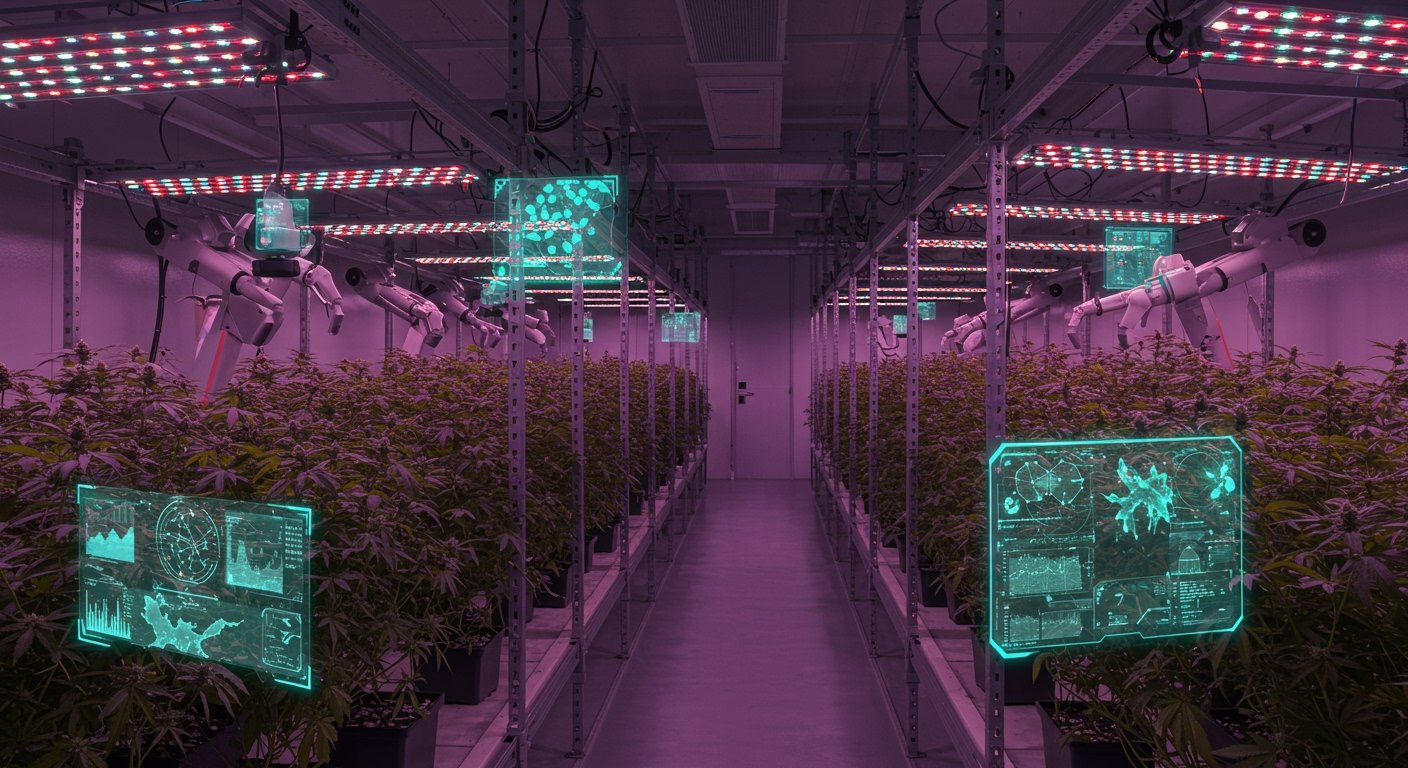
The report highlights several key trends shaping the cultivation landscape, many of which revolve around technological adoption. There is a growing embrace of advanced techniques aimed at maximizing output and consistency. This includes the adoption of vertical farming and other space-efficient cultivation methods, particularly relevant in urban or land-constrained areas. Furthermore, cultivators are increasingly utilizing data-driven techniques, such as deploying artificial intelligence (AI) and various sensor technologies, for real-time plant health monitoring and environmental control, leading to more precise and efficient operations.
The Rise of Sustainable Cultivation
Alongside technological advancement, there is a distinct and growing interest in organic and sustainable cultivation practices. This trend is gaining traction driven by increasing eco-conscious consumer demands and evolving environmental regulations. Cultivators are exploring methods that reduce resource consumption, minimize waste, and avoid synthetic pesticides and fertilizers, positioning their products favorably in a market segment that values environmental responsibility.
Genetic Innovation and Product Quality
Innovation is also apparent in the biological aspects of cultivation. The market is witnessing an expansion of genetic research focused on developing higher-yielding and pest-resistant cannabis strains. Such advancements not only improve cultivation efficiency but also contribute to product consistency and resilience. Concurrently, there is a significant focus on understanding and manipulating terpene and flavonoid profiles, crucial compounds that influence the aroma, flavor, and perceived effects of cannabis, enabling premium product differentiation in a competitive market.
Navigating Market Headwinds
Despite the optimistic growth forecast, the report also identifies several significant challenges that cultivators must navigate. The initial costs associated with establishing modern, compliant cultivation facilities can be prohibitively high, presenting a barrier to entry for smaller players. Furthermore, operating within the cannabis industry requires strict compliance with complex and often disparate regulations that vary significantly by jurisdiction, adding layers of operational difficulty and cost.
The market also faces the risk of overproduction in certain regions, which can lead to price compression and reduced profitability. The need for a skilled labor force with specialized expertise in advanced cultivation techniques, pest management, and regulatory compliance is another challenge, as finding and retaining such talent can be difficult. Finally, access to financing remains limited in some regions due to the federal legal status of cannabis or perceived risks by traditional financial institutions, hindering investment and expansion.
In conclusion, the global cannabis cultivation market is on a trajectory for substantial growth through 2034, underpinned by expanding legalization and driven by the adoption of advanced technology and sustainable practices. However, successfully capitalizing on this growth will require navigating significant operational, regulatory, and financial challenges, demanding strategic planning and adaptation from industry participants.