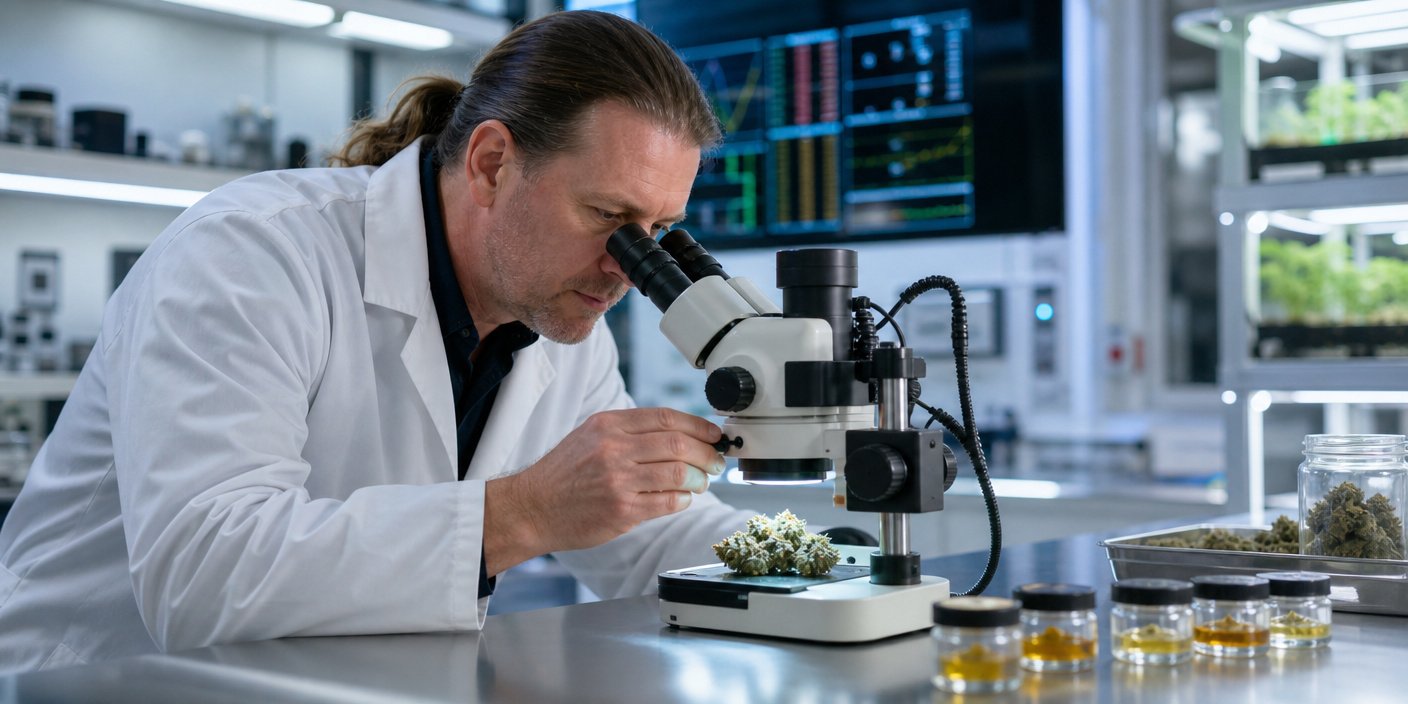
In a coordinated effort to prioritize public health and safety, state regulators in Colorado, led by the Department of Revenue’s Marijuana Enforcement Division (MED) and the Department of Public Health and Environment (CDPHE), have issued joint safety advisories regarding specific cannabis products. These advisories warn consumers of potential yeast and mold contamination discovered in select batches, necessitating immediate action from those who may have purchased these items. The regulatory bodies are advising consumers to cease the use of these products immediately and to dispose of them properly or return them to the point of sale.
The Health Risks of Microbial Contamination
The primary concern driving these advisories is the presence of microbial contaminants, specifically yeast and mold, which are naturally occurring organisms but can pose significant health risks when concentrated in high levels on cannabis products. For most individuals, yeast and mold exposure may trigger allergic reactions; however, for consumers with compromised immune systems—including those undergoing chemotherapy, living with HIV, or dealing with other chronic conditions—exposure can lead to serious respiratory infections, such as aspergillosis, if the spores are inhaled. When cannabis is combusted or vaporized, these contaminants are introduced directly into the respiratory system, bypassing the body’s natural filtration mechanisms in the upper airway. State health officials emphasize that while many products pass routine safety checks, post-harvest environmental conditions can lead to rapid proliferation of microbial growth, making regular surveillance and batch testing vital components of Colorado’s regulatory framework.
The Scope of the Advisories: Locol Love and CC Brands
This specific regulatory action impacts two distinct segments of the cannabis market: flower products and vaporized concentrates. The advisory identifies batches from Locol Love, a well-known producer of cannabis flower, as well as specific vape cartridges manufactured by CC Brands. These products were flagged through the state’s rigorous testing protocols, which require licensees to submit samples for potency and microbial testing before they are cleared for retail sale. Once contamination is identified, the MED works in conjunction with the CDPHE to trace the products through the Metrc seed-to-sale tracking system. This system allows regulators to identify the specific stores and consumers who may have purchased the affected inventory. The inclusion of both flower and processed vape oil in these advisories underscores the broad scope of potential contamination, highlighting that no single product type is immune to these post-harvest safety challenges. Consumers who possess these specific products should cross-reference their labels and batch numbers with the information provided by the MED and their local dispensary to determine if their purchase is subject to this recall notice.
Navigating the Recall: Steps for Consumers
For consumers currently in possession of the affected products, the recommended path of action is clear and decisive. First, discontinue all use of the identified cannabis flower or vape products immediately. Do not attempt to burn or otherwise treat the product to ‘clean’ it; heat does not guarantee the neutralization of all mycotoxins or hazardous mold spores. Second, ensure that the products are disposed of safely, away from the reach of children or pets, or returned to the dispensary where they were purchased. Most licensed dispensaries in Colorado are equipped to handle returned products that are subject to a state-issued safety advisory. It is also recommended that consumers monitor their own health; if individuals experience persistent coughing, wheezing, or difficulty breathing after using these products, they should consult a healthcare provider. The state’s action serves as a reminder of the importance of purchasing from licensed, regulated retailers, as the legal market provides a structured mechanism for product recalls that the illicit market lacks. By engaging in this transparent disclosure process, Colorado’s regulators aim to maintain market integrity and minimize the health impact on the state’s substantial cannabis-consuming population.
FAQ: People Also Ask
Why is yeast and mold testing mandatory for cannabis in Colorado?
Colorado mandates testing for microbial contaminants because cannabis products are often inhaled. Inhalation of mold spores or yeast, particularly for immunocompromised individuals, can cause severe lung infections. The mandatory testing ensures that products reaching the shelf meet strict safety thresholds defined by the CDPHE.
How are contaminated batches identified?
Contaminated batches are identified through mandatory safety testing conducted by state-licensed third-party laboratories. If a sample fails a test, the facility must stop sales of that batch. Regulators then use the Metrc seed-to-sale tracking system to quarantine the product and alert the public.
Can I still use the product if I don’t see any visible mold?
No. You cannot reliably identify mold contamination with the naked eye, especially in processed vape oils or finely ground flower. Even if the product appears clean, the presence of microscopic spores can still pose a health risk. Always follow the official advisory and dispose of the product regardless of its visual appearance.